
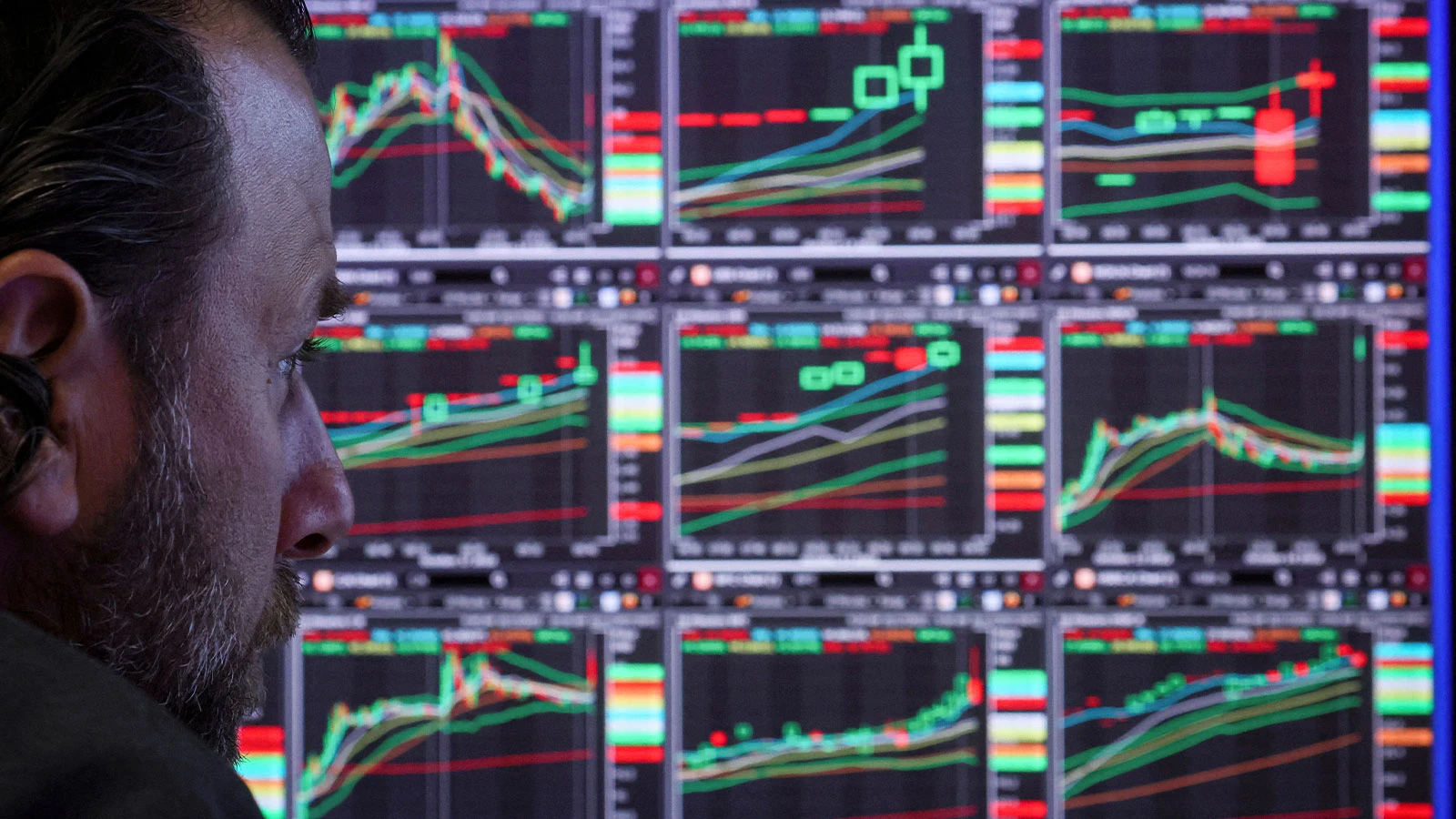
Global markets started the week with selling pressure due to increasing geopolitical tensions due to the US intensifying its attacks on Iran and the continuing risks originating from the Strait of Hormuz.
Pricing due to geopolitical risks continues to affect the markets in the new week. US Central Command (CENTCOM) announced that it launched its third round of attacks this week against Iran, which opened fire on a commercial ship passing through the Strait of Hormuz.
CENTCOM later announced that Iran had launched new attacks against commercial ships in the Strait of Hormuz in an attempt to “weaken its attack capacity.” Increasing geopolitical tensions in the Middle East in the new week due to the USA intensifying its attacks on Iran cause risk perception to remain high in global markets.
Iran has increased its attacks on Gulf countries in retaliation for US military attacks. With these developments, oil prices increased. While the selling pressure increased in the bond market, a downward trend also came to the fore in the stock markets.
The latest situation in the Strait of Hormuz, the course of conflicts and oil prices will be the focus of the markets throughout the week.
With these developments, the pricing in money markets makes it seem certain that the US Federal Reserve (Fed) will increase interest rates in September. On the other hand, the Fed said in its Monetary Policy Report for Congress, “Overall, economic activity is expanding at a solid pace despite the high uncertainty resulting in part from conflicts in the Middle East.” statements were included.
In the report, the Fed pointed out that customs tax increases, energy costs skyrocketing due to conflicts in the Middle East, and artificial intelligence-driven demand increase came to the fore in the rise in inflation.
This week, Fed Chairman Kevin Warsh’s presentation to the House of Representatives and the Senate and the inflation data to be announced in the USA are in the focus of the markets.
While investors focus on the balance sheet season as well as geopolitical developments, it is expected that if companies announce strong balance sheets, this will increase the risk appetite in the markets. After Iran announced the closure of the Strait of Hormuz and intervened in ships passing through the Bosphorus, the barrel price of Brent oil increased by 4.1 percent and is at $79.1.
As rising oil prices fuel inflation fears, the strengthening of hawkish stance expectations for central banks increases bond interest rates and the dollar index, while putting pressure on gold prices.
With these developments, the US 10-year bond interest rate increased by 3 basis points to 4.59 percent. While the dollar index increased by 0.1 percent to 101.1, the ounce of gold was traded at $4,055 with a decrease of 1.3 percent.
Shares of SK Hynix, which started trading on the Nasdaq stock exchange, opened at $170. The company’s shares gained nearly 13 percent on its first day on Wall Street, from its listing price of $149.
Nvidia, whose shares increased by 4 percent, and Meta, whose shares increased by 6 percent, also contributed to the positive course in the markets.
With these developments, the Dow Jones index gained 0.29 percent, the S&P 500 index gained 0.42 percent and the Nasdaq index gained 0.29 percent. Index futures contracts in the USA started the day with a decline.
Optimism came to the fore in European stock markets on Friday with the news flow that the USA and Iran started technical talks.
EasyJet’s shares rose 14.3 percent after US private equity firm Apollo offered 5.7 billion pounds to buy the UK’s low-cost airline easyJet.
On the other hand, the European Central Bank (ECB) is not expected to increase interest rates at its interest rate decision meeting on July 23, but predictions that the Bank will increase interest rates for the September meeting stand out.
On the macroeconomic data side, annual inflation in Germany decreased to 2.3 percent in June due to the slowdown in the rate of increase in energy prices.
With these developments, the FTSE 100 index in England gained 0.24 percent, the CAC 40 index in France gained 0.15 percent and the FTSE MIB 30 index in Italy gained 0.44 percent, while the DAX 40 index in Germany lost 0.2 percent. Index futures contracts in Europe started the day with a mixed trend.
With increasing geopolitical risks in Asian markets and sharp declines in technology companies again, a sales-oriented trend stands out in the new week.
Shares of SK Hynix, traded on the South Korean stock exchange, decreased by 13.4 percent, and shares of Samsung Electronics decreased by 9.2 percent.
With these developments, near the closing, the Nikkei 225 index in Japan decreased by 2.1 percent, the Kospi index in South Korea decreased by 8 percent, the Shanghai composite index in China decreased by 1.5 percent and the Hang Seng index in Hong Kong decreased by 0.1 percent.
BIST 100 index at Borsa Istanbul, which followed a buying-oriented trend on Friday, completed the day at 14,321.19 points with a 1.53 percent gain in value.
The August futures contract based on the BIST 30 index in the Borsa Istanbul Futures and Options Market (VIOP) rose 0.1 percent in the evening session on Friday compared to the normal session closing.
While Dollar/TL completed Friday at 46.9720 with a 0.1 percent increase, it is traded at 47.0000 at the opening of the interbank market today, 0.1 percent above the previous closing.
Analysts stated that the balance of payments and retail sales will be monitored domestically today, and the federal budget balance in the USA will be followed abroad, and noted that technically, 14,400 and 14,500 points in the BIST 100 index are resistance, and 14,200 and 14,100 points are support.
Economists participating in the AA Finance Balance of Payments Expectations Survey estimated that the current account would have a deficit of 1 billion 127.5 million dollars in May. Economists predicted that the current account would have a deficit of 52 billion 255 million dollars this year.
On the other hand, the expected evaluation of Türkiye by the international credit rating agency Fitch Ratings will also be in the focus of domestic markets this week.
