
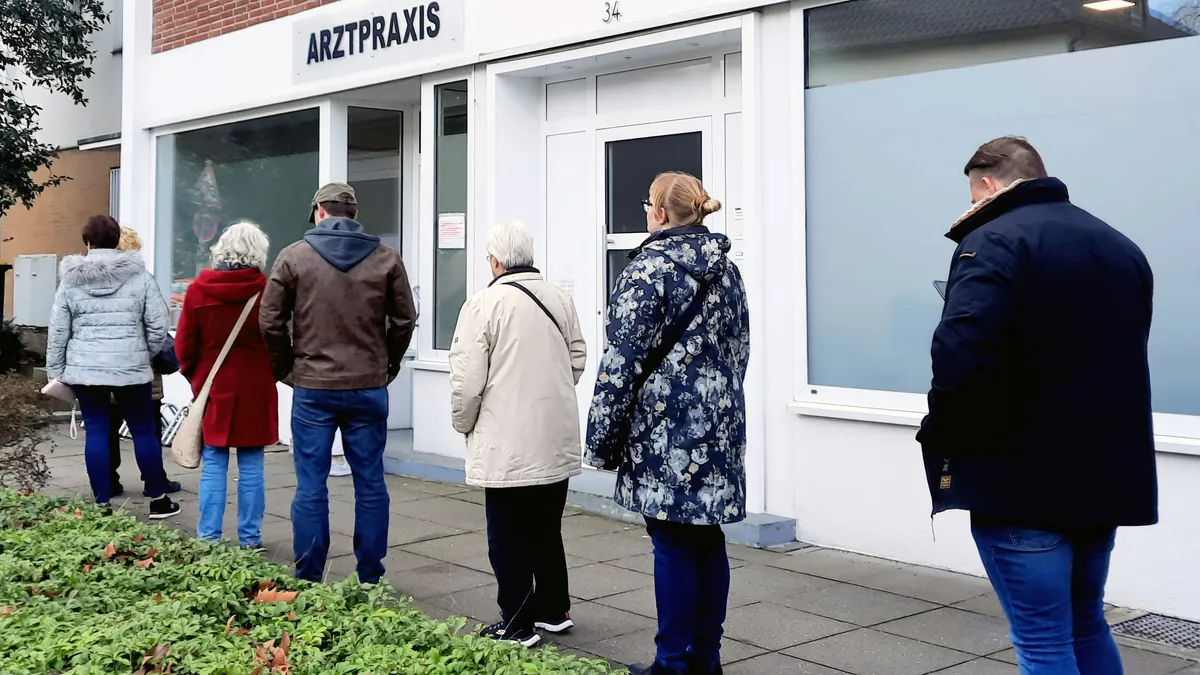
Trust in the health system is crumbling
The shortage of doctors is becoming more and more noticeable
May 12, 2026 – 5:18 p.mReading time: 3 minutes

Germans are increasingly losing trust in the healthcare system. Many people want far-reaching reforms – but most have lost faith in them.
A shortage of doctors, long waiting times and bad experiences: Satisfaction with the German healthcare system continues to decline. Only 62 percent of Germans rate health care in this country positively – that is the lowest value in 15 years. This emerges from an Allensbach survey of 1,015 people commissioned by DAK-Gesundheit.
Satisfaction values of over 80 percent were measured for around ten years, and the curve has been falling since 2022. The number of critical voices rose to around 35 percent. In 2020, this share was 11 percent.
Many have bad experiences
The increasingly negative view of the healthcare system is fueled by personal experiences. Around 35 percent of those surveyed said they had had worse personal experiences with medical care in the past two or three years.
- Preventative examinations put to the test: Skin cancer screening: what the government is really planning
- Health reform: Who will pay more for their health insurance in the future
Long waiting times in particular annoyed those surveyed. 72 percent said they had experienced this in the past few years. Many people also experience unavailable medications (50 percent), significantly increased health insurance contributions and difficulties finding a doctor (41 percent each).
According to DAK-Gesundheit, another reason for the loss of trust is the shortage of doctors. 36 percent said they had experienced this in their region. For comparison: In 2011, only 13 percent of those surveyed had this experience. The shortage of doctors is particularly pronounced in eastern Germany: more than one in two people (57 percent) are affected here.
Pessimism widespread
However, only a few believe that the situation will improve. On the contrary: almost two thirds (59 percent) are convinced that the situation will continue to worsen in the coming years. 87 percent are convinced that health insurance contributions will continue to rise in the future, and 77 percent also assume that patients will have to bear more and more costs themselves.
More than two thirds also believe that there will increasingly be a two-tier medicine system in Germany, in which the quality of care is increasingly dependent on one’s own wealth.
According to the survey, two thirds of citizens are convinced that the German healthcare system needs to be comprehensively reformed, although the majority do not believe that comprehensive healthcare reforms will occur. 61 percent of the population do not have a good impression of health policy. This is the worst value since 2009.
When asked about the current reform proposals, most respondents (78 percent) support the higher discounts that pharmaceutical manufacturers will have to grant on medications in the future. More than half also support the increase in tobacco and alcohol taxes and the introduction of a tax on sugary drinks.
