
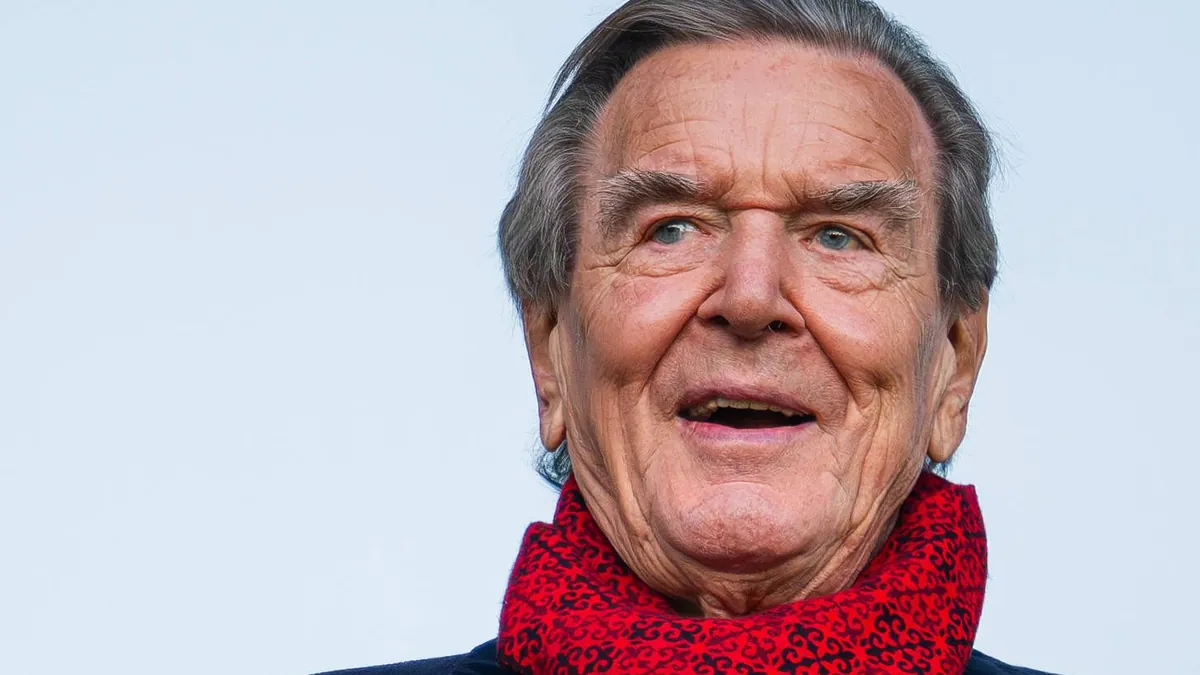
Kremlin leader Putin has met with open ears in the SPD with his proposal to appoint former Chancellor Schröder as Ukraine mediator. But that would be a devastating signal.
If he weren’t a dictator with blood on his hands, one could almost admire Vladimir Putin’s political talent. Even after 26 years in power and countless lies, the Kremlin boss still manages to manipulate Western politicians and present himself as a serious negotiating partner. The latest example of his dangerous talent is the idea of appointing former Chancellor Gerhard Schröder as a mediator in the Ukraine war.
- “Striptease in the retirement home”: Putin in the embarrassment trap
- Putin and Schröder: The friendship began in the Russian steam bath
The federal government reacted to Putin’s “proposal” with all due skepticism, and enthusiasm about “Gasgerd” as a mediator is also limited in the rest of Europe. But it is precisely in Schröder’s co-ruling SPD that Putin finds a hearing. At best, this shows naivety. At worst, the same arrogance that made Russia’s attack on Ukraine possible is behind it.
Putin is heard in the SPD
Adis Ahmetovic, foreign policy spokesman for the SPD parliamentary group, said: “Every offer must be seriously examined to see how reliable it is.” One cannot accept that the USA and Russia alone decide on the future of Ukraine and Europe. Schröder’s friend Ralf Stegner even finds it “negligent” to reject the Kremlin’s initiative. “I welcome any initiative that could end the war,” said Stegner.
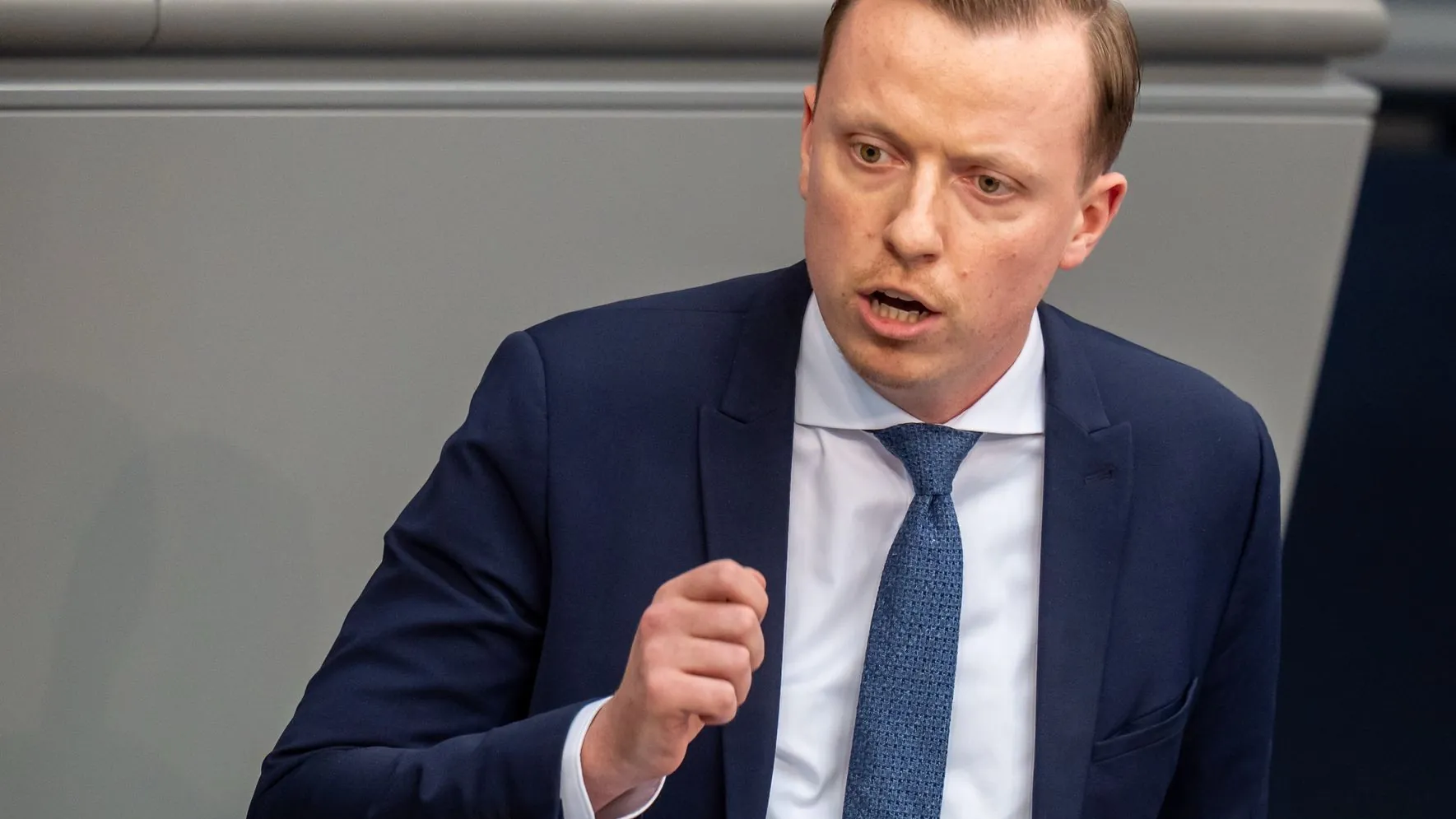

It is an honor for the SPD that, after years of slaughter and countless attempts at mediation, it still believes in a negotiated solution to the Ukraine war. And of course Europe has no interest in the continent’s future being decided in Moscow and Washington. But if Ahmetovic and Stegner are serious about a new peace initiative, it must be clear to them that the former chancellor is not the right person for it.
In Kyiv, Schröder’s role has not been forgotten
One of the biggest legacy issues from Schröder’s chancellorship is the construction of the Nordstream pipelines and thus Germany’s dependence on Russian gas. Only the billions from Germany put Russia in a financial position to attack Ukraine. And the political damage of the Schröder years has not been forgotten in East Central Europe: for years, Poland and Ukraine in particular warned against trusting Moscow – in vain.
Schröder’s role has not been forgotten in Kiev, especially since he worked as a lobbyist for Russian oil and gas companies until 2022. From Ukraine’s perspective, it would not only be absurd to welcome Gerhard Schröder as a mediator – it would be a humiliation and a betrayal. With the personnel, the federal government and Europe would signal to Kiev that the foreign policy turnaround towards Moscow after the full Russian invasion in February 2022 would at least be negotiable – it would be a devastating signal.
