
The death of 28-year-old Darya Shipilova, who worked at the plague research institute in the Siberian city of Irkutsk, on October 2 caused an international health alarm. Approximately 200 people were quarantined as a precaution. While Russia announced the cause of death as pneumonia of unknown origin, it reported that no plague agent was found in approximately 5 thousand tests. The World Health Organization requested more information to shed light on the incident.
10 THOUSAND YEARS OLD DANGER
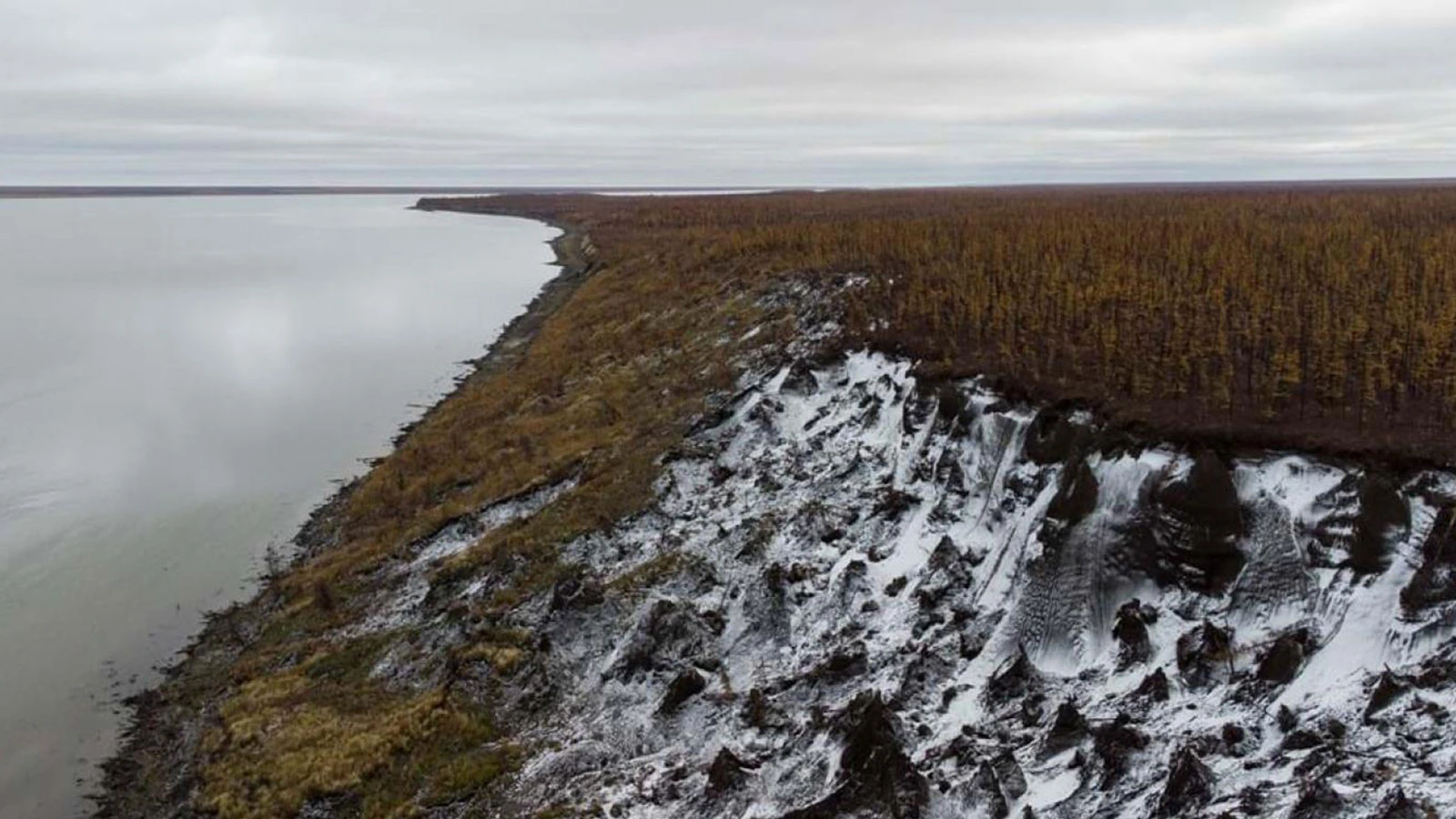
According to experts, the real big question lies in the permafrost of Siberia. Scientists have managed to reactivate some viruses that remained frozen for tens of thousands of years in the laboratory. Some of the ancient viruses revived to date only infect amoebae. However, researchers are investigating the possibility that other microorganisms may also be released from thawed soils. It has not yet been proven that these will start a new epidemic in humans.
2 THOUSAND 350 REELERS DIE
The concrete example of the danger occurred in 2016. 2,350 reindeer died and dozens of people fell ill in the anthrax epidemic that broke out after extreme heat in Siberia’s Yamal Peninsula. Research has revealed that thawing permafrost may have played a role in the re-emergence of anthrax spores.
IS IT THE ADDRESS OF THE NEW OUTBREAK?
Rapid warming in the Arctic is accelerating the thawing of soils that have been frozen for thousands of years. Experts are concerned not only with the emergence of old microorganisms; Possible infections can be carried to distant geographies due to increasing human activities and transportation networks in the region. There is no proven link between laboratory death in Siberia and pathogens in permafrost. However, two developments bring the importance of early warning against global epidemics and international information sharing back to the agenda.
THE 48 THOUSAND-YEAR-OLD VIRUS AWAKENED!
Melting permafrost in Siberia is bringing to light microorganisms that have been hidden for thousands of years. While scientists managed to reactivate a 48,500-year-old virus in a laboratory environment, 13 old viruses were examined in the research published in 2023. While thaw is accelerating in the Arctic, one of the fastest-warming regions in the world, a past disaster is increasing concerns. In the anthrax epidemic that broke out in Siberia in 2016, more than 2,300 reindeer died, dozens of people were hospitalized and a 12-year-old child died. Finally, approximately 200 people were quarantined after the suspicious death of a 28-year-old technician at the plague research center in Russia. While authorities announced that approximately 5 thousand tests were carried out, the World Health Organization requested more information about the incident. According to experts, the real danger is unknown microorganisms that may emerge from frozen soil.
