
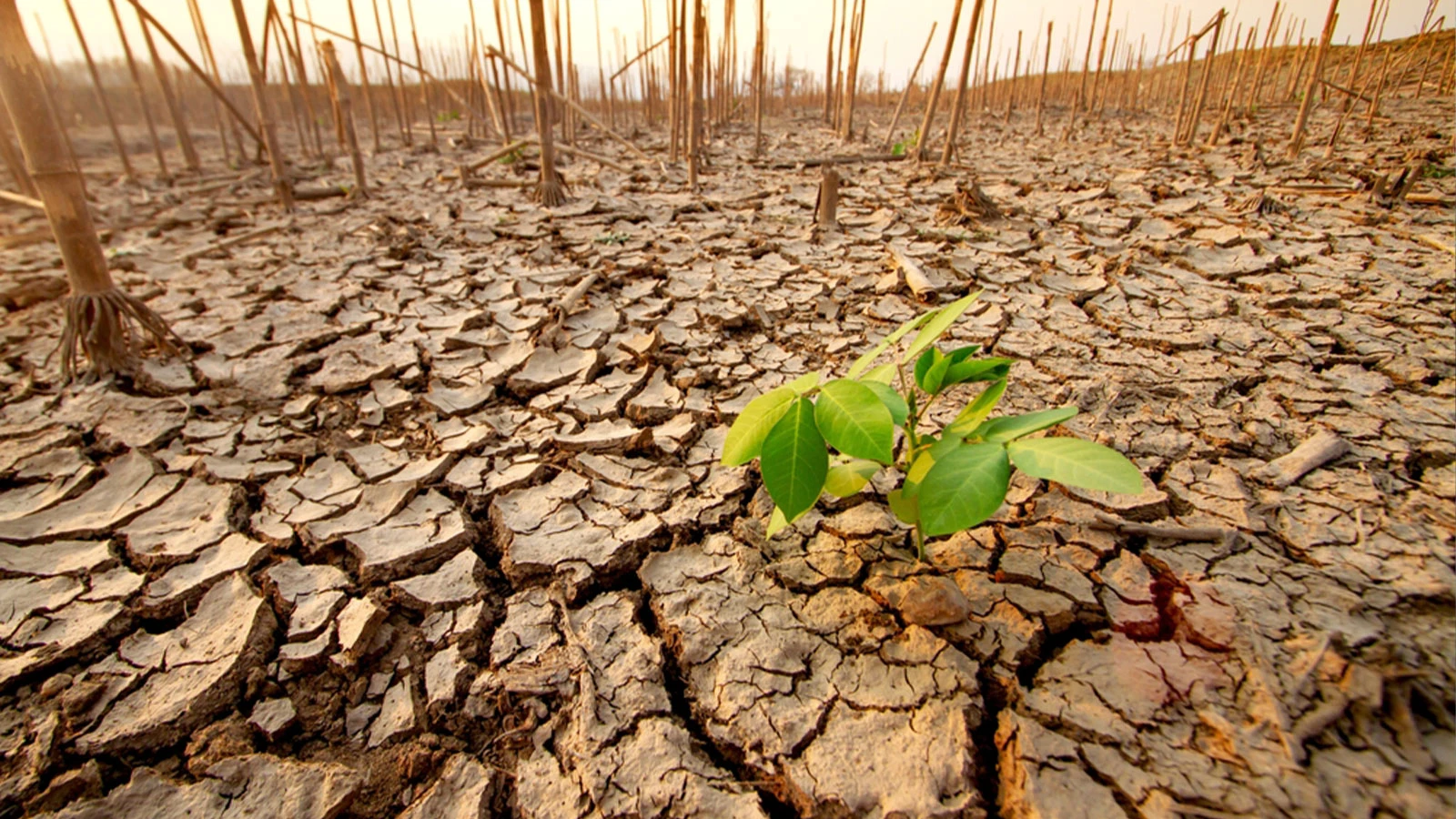
The United Nations Environment Program (UNEP) has issued a new warning regarding the critical 1.5°C limit of the global climate crisis. According to the “Limiting Overshoot” report, released on September 2, if current policies and emission trends continue, the global temperature increase compared to the pre-industrial period is expected to exceed 1.5°C in the next few years. Stating that even in the most optimistic scenario, the temperature increase may peak at approximately 1.8°C, UNEP pointed out that higher temperature scenarios are also on the table.
IT WILL EXCEED 1.5 DEGREES IN 2024
According to the World Meteorological Organization (WMO), 2024 was the hottest year in the history of measurement, with the global average temperature increasing by approximately 1.55°C compared to previous periods. The average between 2015 and 2024 was among the 10 hottest years. In UNEP’s 2025 Emission Gap Report, it was calculated that even if current climate commitments are met, the temperature increase could reach 2.3-2.5°C throughout the century.
EVERY DEGREE ENLARGES THE FRACTION RISK
According to UNEP, every additional temperature increase above 1.5°C; It means exacerbation of extreme heat, drought, floods, pressure on water and food security, and ecosystem losses. The risk of exceeding irreversible breaking points, such as the melting of major ice sheets, degradation of the Amazon rainforest, and disruption of the Atlantic Meridional Overturning Circulation (AMOC), also increases as temperatures rise.
CALL TO Türkiye BEFORE COP31
Climate movement 350.org also evaluated the report as a call to action for governments. 350 Pacific Director Fenton Lutunatabua stated that every fraction of a degree in temperature increase is important, especially for island and coastal communities. 350 Türkiye Director Efe Baysal said that the report is a direct warning for Türkiye, which is facing extreme heat, drought and forest fires.
