
Girls bleed well
“Cruel practice”: baby dies after genital mutilation in Gambia
12.08.2025 – 9:31 p.m.Reading time: 2 min.

In Gambia, the death of a month -old girl causes horror after a genital mutilation. Despite the legal ban, dangerous practice remains widespread in the West African country.
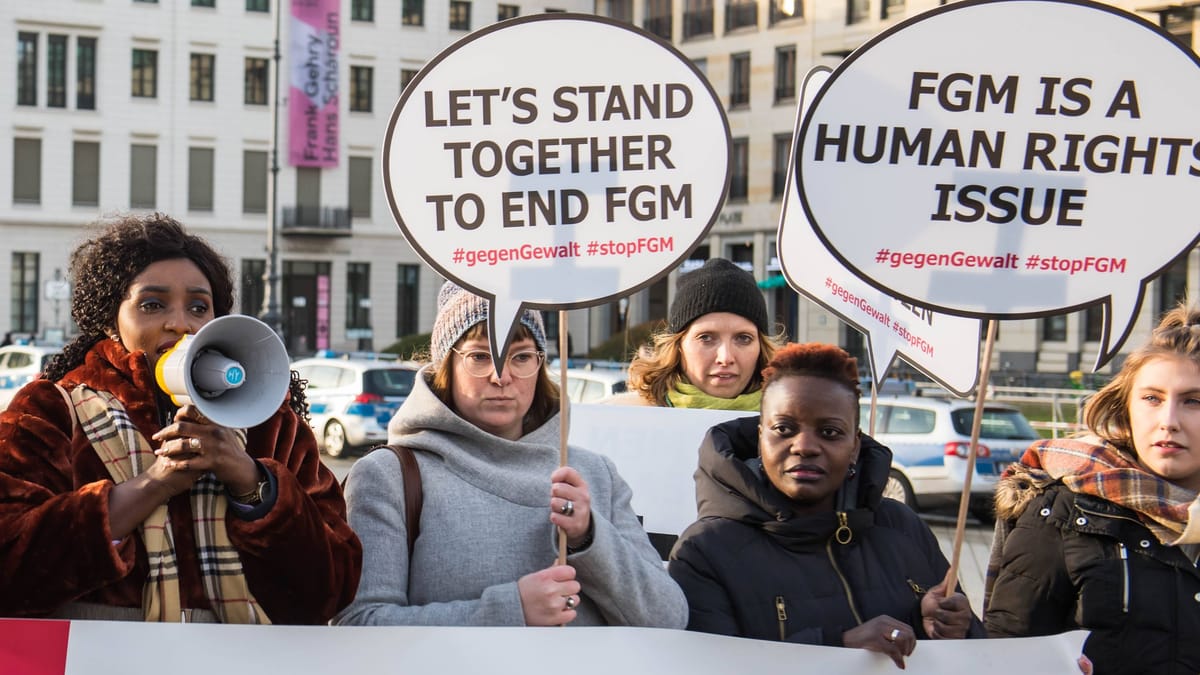
The death of a month -old girl by genital mutilation shocked Gambia. Women’s rights activists in the West African country raised the alarm on Tuesday and warned of the “cruel practice”. The intervention, which is widespread despite a prohibition, is “not a preserving cultural tradition,” said human rights lawyer Santana Simiyu from the organization “Equality Now” (equality now). Female genital mutilation is “a form of gender -based violence that can kill”.
The only one month -old was declared dead on the Sunday after his arrival in Gambia’s capital Banjul. “The first results of the investigation indicate that the child was circumcised and later developed heavy bleeding,” said the police. The incident occurred in the western city of Wellingara. Two suspicious women were arrested in connection with the case.
The death of the infant led to a public outcry in the country. Human rights groups are calling on the government to tighten the weak implementation of the law against genital mutilation nationwide. “The baby lost his life just because it was born as a girl, even before it even had a chance to live. That is deeply tragic,” said Fatou Baldeh, the director of the organization Women in Liberation and Leadership (Will) of the German Press Agency.
The National Human Rights Commission emphasized that practice cannot be justified for cultural or traditional reasons. “Genital mutilation not only adds severe physical and psychological damage, but also represents a serious violation of the right to life, dignity, health …”
Gambia has one of the highest rates of female genital mutilation worldwide. According to a report by the UN Children’s Aid Unicef from 2024, 73 percent of women and girls between the ages of 15 and 49 have passed this procedure in Gambia. According to a British study of 2023, a total of around 44,320 girls and young women die as a result of the cruel practice worldwide.
Female genital mutilation describes the partially or complete removal of the labia and clitoris without medical reasons. The centuries -old practice goes back to ideas about sexual purity and the control of women and usually takes place without anesthesia with razor blades or knives. Although genital mutilation is recognized as a human rights violation worldwide, practice is carried out in 94 countries worldwide, according to the women’s rights organization Equality Now. In about 60 percent of these countries, female genital mutilation is therefore prohibited by law.
