
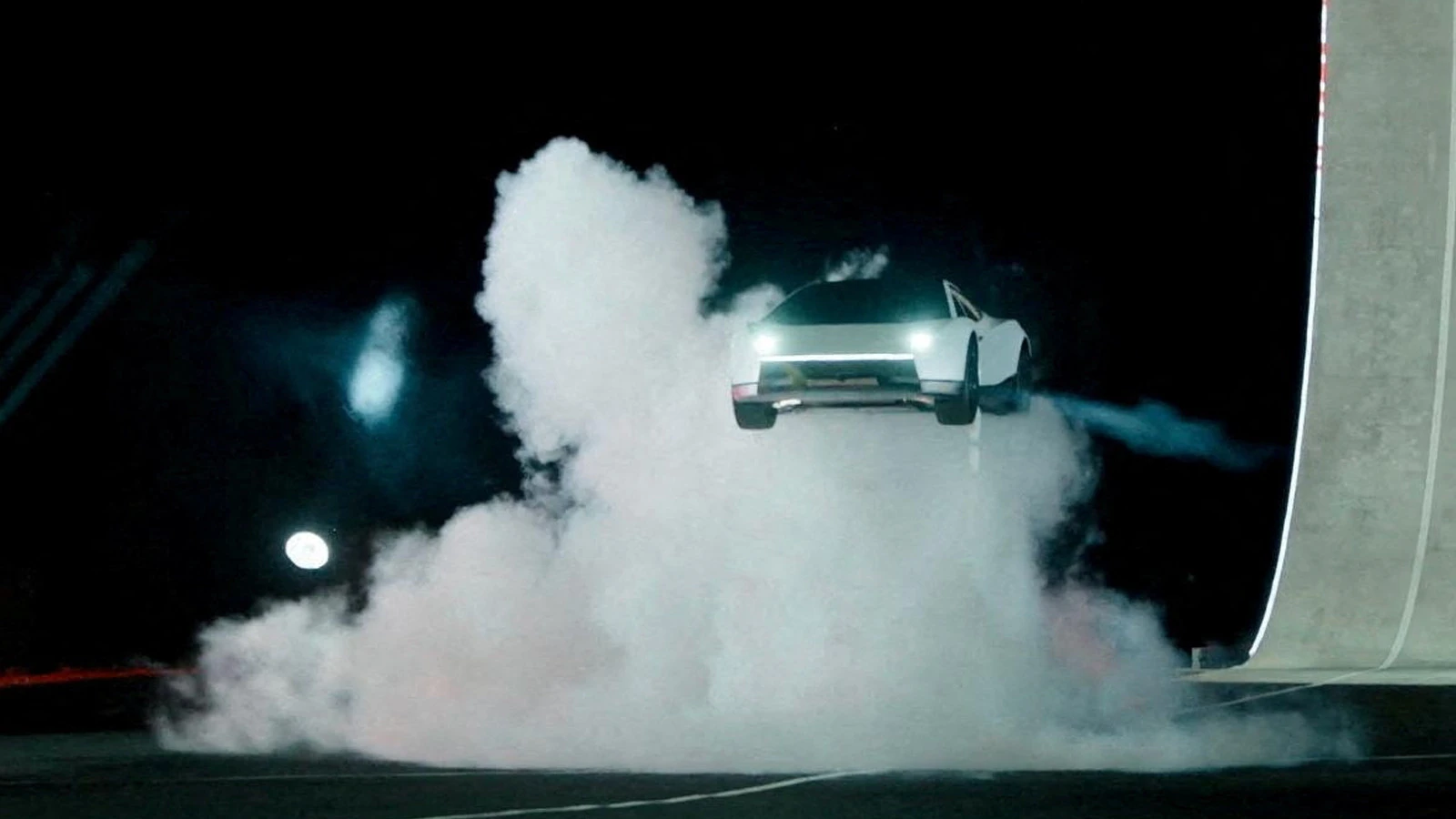
The dream of a flying car, which has been around since the early days of aviation and automotive, was reignited after Tesla’s demonstration with its Roadster model. However, if you are looking for a vehicle that can both drive smoothly on the highway and fly long distances, you will not see such a model in your garage in the near future. By contrast, personal aircraft that operate at low altitudes and offer short-distance travel are closer to reality than ever before. Today, all attention is turned to Electric Vertical Take-Off and Landing (eVTOL) vehicles, which cannot go on highways and most of them do not even have wheels.
SOLUTION TO CONGESTED TRAFFIC FROM THE SKY
According to CNN International; Current eVTOL technology is based on extremely lightweight designs compared to conventional automobiles. These vehicles, which have limited carrying capacity, can generally travel up to 160 kilometers on a single charge. Although they cannot walk on asphalt, industry representatives argue that these vehicles should be seen as an automobile alternative for those who want to escape from urban traffic. According to industry experts, 20 minutes in the sky instead of 90 minutes spent in traffic offers an attractive option for consumers.
ENGINEERING OBSTACLES AND SAFETY ISSUES
Hybrid designs that are both cars and planes face serious engineering obstacles. While airplanes have to be designed as light as possible, automobiles require heavy structures due to their safety equipment. Experts emphasize that the effort to combine these two worlds will result in both a low-performance vehicle and an inadequate aircraft. For example, some prototypes developed with the claim of both driving and flying can only carry a single person over an empty weight of 115 kilograms and lack safety equipment such as standard airbags.
LICENSING PROCESSES AND HIGH COSTS
In addition to technological developments, legal and commercial processes are also just at the beginning. Although the Federal Aviation Administration (FAA) supports testing programs, the licensing, pilot training and airspace rules for this new vehicle category are not clear. The prices of the vehicles are also quite high; While commercial air taxis that carry many passengers cost over 1 million dollars, personal models are looking for buyers between 60 thousand and 400 thousand dollars. The affordable options at the entry level do not go beyond advanced drones that can only keep a limited weight in the air for 10 minutes.
TESLA’S SHOW AND THE FUTURE OF THE INDUSTRY
The “flying” version of the Tesla Roadster is expected to go on sale in 2028 at the earliest. The model, which performs a show of jumping over other vehicles using compressed air jets, is even behind the Wright Brothers’ first flight distance of 36 meters in 1903 and does not yet have a permit for use on public roads. Nevertheless, the steps of giants such as Tesla into this field continue to keep the investments and innovation in the sector alive by bringing the idea of flying vehicles to the agenda of the masses.
