
World Food Day
Hunger crises: Africa continues to fall behind
Updated 10/14/2026 – 11:37 amReading time: 3 minutes

Globally, malnutrition is declining slightly, but in Africa the situation is worsening. The need is particularly great in Sudan, Nigeria and the Congo. At the same time, international aid is becoming scarcer.
The fight against hunger is making little progress worldwide. In sub-Saharan Africa, the situation has even worsened since 2018. Seven of the eight countries with an alarming hunger situation are located there, as are the three largest recorded acute food crises worldwide. This is shown by two reports from aid organizations on World Food Day on October 16th.
“Anyone who saves on overcoming hunger and crisis prevention today risks even greater humanitarian catastrophes and further instability tomorrow,” said Welthungerhilfe Secretary General Mathias Mogge. The Federal Government must reverse cuts in development cooperation and humanitarian aid and make food security an integral part of its policy.
“The current hunger figures are a clear alarm signal,” said Development Minister Reem Alabali Radovan (SPD). It shows that hunger is linked to wars and conflicts, but is also a solvable problem.
Two thirds of acute hunger crises in ten countries
The World Hunger Index published by Welthungerhilfe and two partner organizations rose from 17.6 to 18.1 points compared to the reference year 2018. This means that the hunger situation worldwide has worsened again for the first time in the data series going back to 2000. Hunger has increased in 32 countries since 2018, and there has been little progress in 20 more. Sub-Saharan Africa has the highest index value of any region in the world.
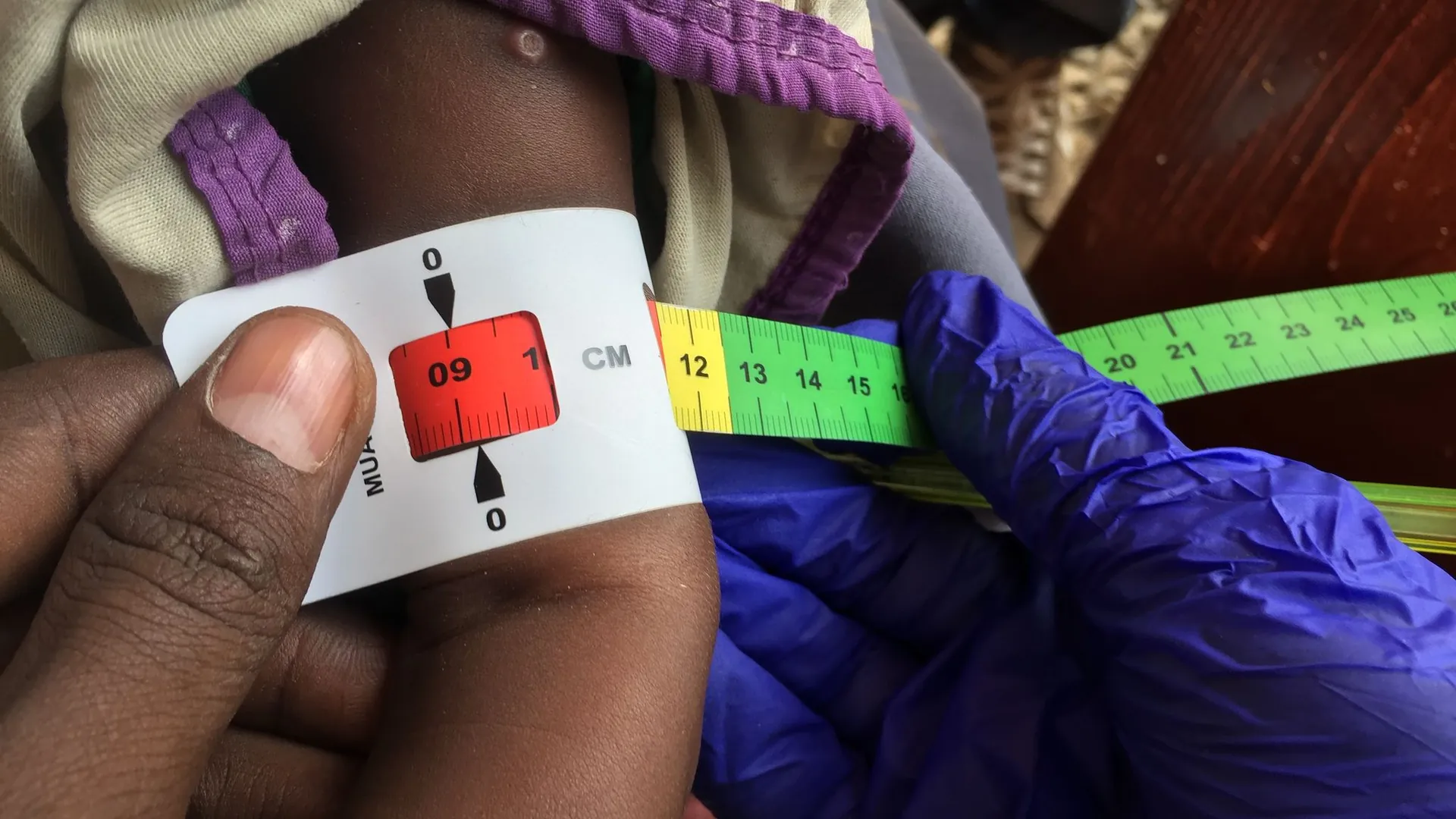
A global evaluation by Action Against Hunger shows how acute food crises are concentrated in a few countries. According to the international food crisis report, around 266 million people were affected by high levels of acute food insecurity in 47 countries and territories covered in 2025. Two thirds of them lived in just ten countries. On Nigeriathe Democratic Republic of Congo and Sudan together accounted for 82.9 million people affected.
The UN Food and Agriculture Organization (FAO) reported a slight global decline in chronic hunger to 645 million people by 2025, primarily thanks to improvements in Asia and Latin America Caribbean. However, the number cannot be equated with the recording of acute nutritional crises. The World Hunger Index also takes into account malnutrition, child malnutrition and child mortality.
Sudan
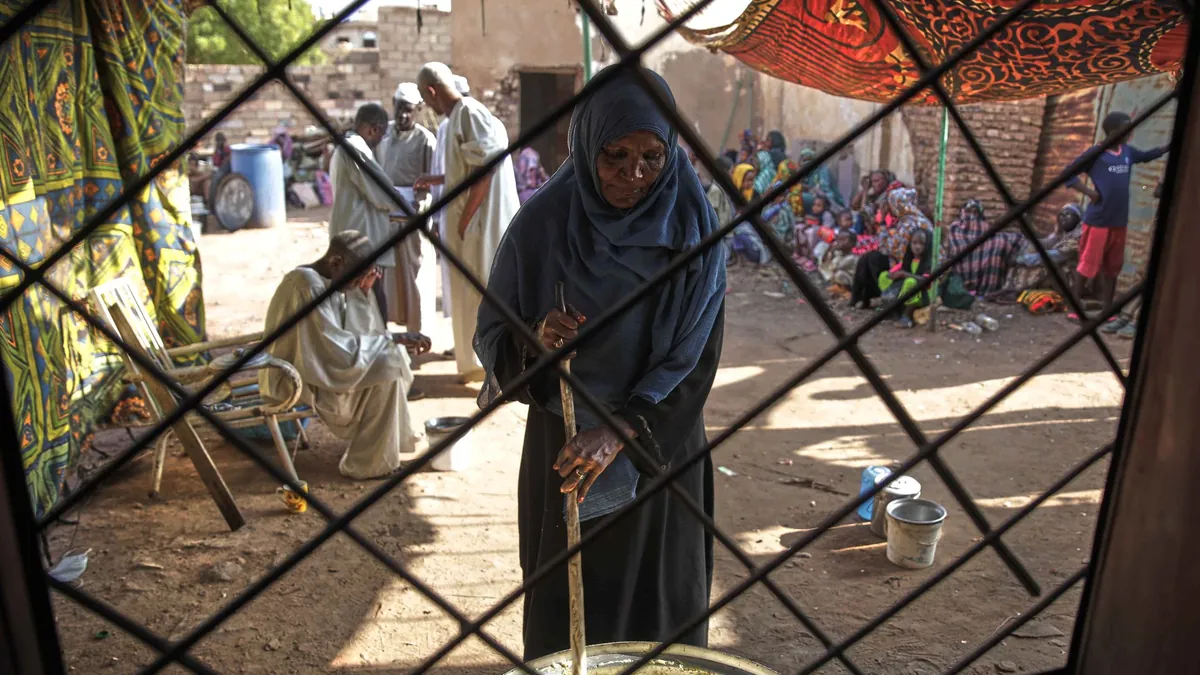
The war in Sudan, which has been ongoing since 2023, has triggered one of the worst hunger crises in the world. In 2025, around 24.6 million people were affected by high levels of acute food insecurity, almost half of the population. Famine was detected in the besieged cities of Al-Fasher and Kadugli in 2025. In May 2026, 14 areas were still considered at risk of famine. This year, around 825,000 severely acutely malnourished children under the age of five are expected. According to UN estimates, a total of 33.7 million people need humanitarian assistance.
Nigeria
According to the World Hunger Index, in no other country has the hunger situation worsened so much since 2018. The index value rose from 28.2 to 34.3 points, just below the threshold for the “alarming” category. According to Action Against Hunger, Nigeria had the largest recorded acute food crisis in 2025, affecting 30.6 million people; Up to 34.7 million people were predicted to be affected in the 2026 hunger period. In addition, there are an estimated 6.4 million acutely malnourished children under the age of five. In a country characterized by enormous contrasts in prosperity, the crisis particularly affects the poorer north, where violence, high food prices and floods are exacerbating hardship.
