
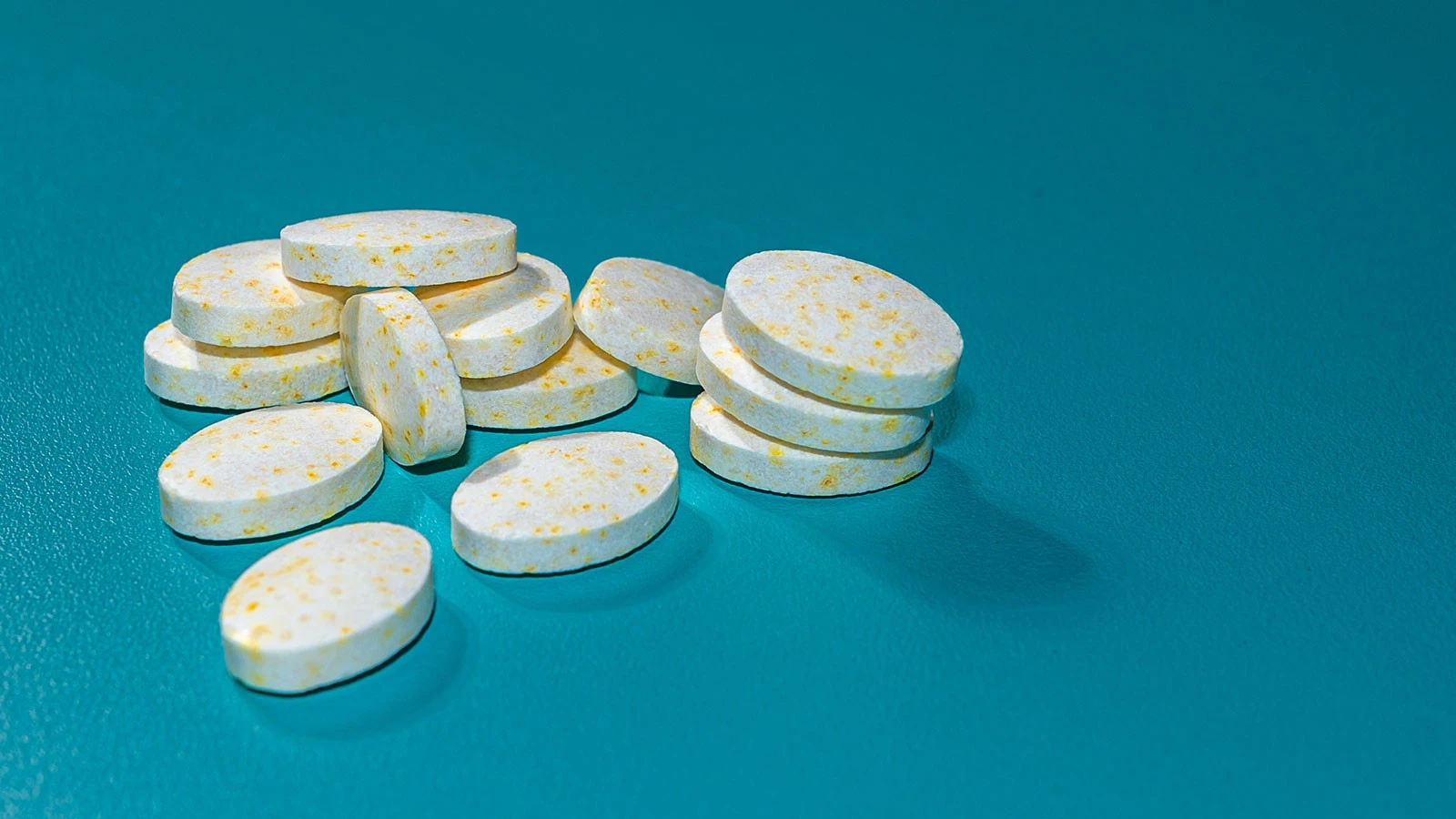
Xylitol, one of the sweeteners used in “sugar-free” products frequently preferred by those who want to reduce sugar consumption, is on the agenda of the scientific world due to its possible effects on heart health. The study, conducted by Cleveland Clinic researchers and published in the European Heart Journal, revealed a remarkable connection between high xylitol levels in the blood and the risk of serious events such as heart attack, stroke and cardiovascular death.
THERE ARE ALSO IN FRUITS AND VEGETABLES
Xylitol is in the sweetener group called “sugar alcohols”. It can be produced naturally in the body in very low amounts and is also found in some fruits and vegetables. However, when added as a sweetener to sugar-free gum, candy, cookies, baked goods and various low-calorie products, the amount consumed can rise well above natural levels. The US Food and Drug Administration (FDA) classifies xylitol among sugar alcohols such as sorbitol, erythritol and maltitol and states that it is used especially in sugar-free candies and gums.
57 PERCENT HIGH RISK
In the most striking part of the research, xylitol levels in the blood of 2,149 people were examined and the participants were followed for approximately three years. It was calculated that those in the group with the highest blood xylitol levels had an approximately 57 percent higher risk of experiencing a major cardiovascular event such as heart attack, stroke or cardiovascular death than the group with the lowest levels. It was observed that the relationship continued when renal functions and traditional cardiovascular risk factors were taken into account. Scientists also investigated xylitol’s effect on blood to see if this was just a statistical relationship. In experiments with human blood and platelets, xylitol was seen to strengthen the response of platelets to clotting signals. In animal experiments, findings were obtained that xylitol could accelerate the formation of clots in the veins. According to researchers, this mechanism is important; The basis of heart attacks and some strokes are clots formed in the vessels.
INCREASED THOUSAND FOLDS
In the small-scale human experiment of the research, 10 healthy volunteers were given a drink containing xylitol, close to the amount that can be taken from xylitol-sweetened foods or drinks in daily life. After about 30 minutes, the amount of xylitol in the blood increased to nearly a thousand times the baseline level. While the levels decreased again within four to six hours, it was determined that platelets became more prone to clotting during the period when xylitol increased. Cleveland Clinic researcher Dr. Stanley Hazen stated that the results obtained indicate that regular consumption of products containing high amounts of xylitol should be investigated in more detail.
IT DOES NOT PROVE IT ALONE!
Internal Medicine Specialist Dr. Ayça Kaya said, “There is an important limit to the research. The combination of high xylitol levels in the blood and the risk of heart attack and stroke does not alone prove that xylitol consumption directly causes these diseases. A significant portion of the participants in the large group included in the study already have a high risk of cardiovascular disease. For this reason, researchers particularly emphasize the need for long-term, controlled studies. The discussion here focuses mostly on eating and drinking high amounts of xylitol as a sweetener.”
