
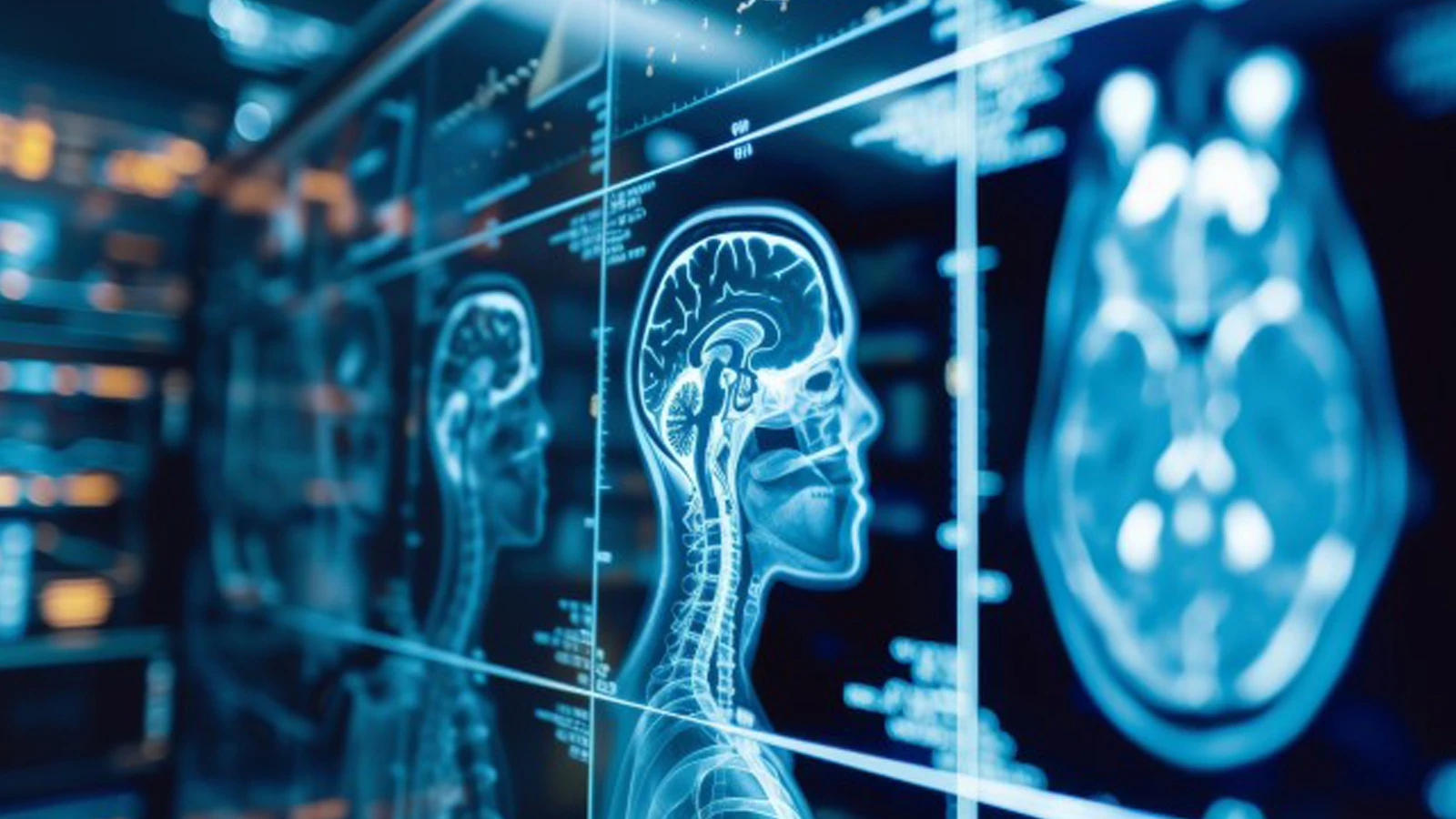
A study conducted in the USA has proposed a new theory that disrupts traditional approaches to the functioning of the human brain and the decision-making process. Professor from the Department of Psychology and Brain Sciences at Indiana University in the USA. Dr. Tom James argued that it does not have a linear system that works by ‘first perceiving, then thinking and deciding, and lastly taking action’. In the research; While sensory and motor processes have concrete counterparts in the brain, it has been noted that there is no independent ‘decision-making’ center between the two neurologically.
Stating that behaviors are shaped not only by the decisions made by the brain, but also by the constant interaction of the brain, body and environment, Prof. Dr. Tom James stated that people often view their actions as the result of decisions based on their desires, beliefs, and intentions. James evaluated, “Although decision-making is a useful concept to explain daily life and behavior, there is no single decision center in the brain that manages this process.”
‘THE ROBOT MAY ALSO LOOK LIKE IT’S MAKING DECISIONS’
James gave examples of simple robotic systems to illustrate his point. He said that even a robot that can only perceive its environment and move can appear to be making conscious decisions when viewed from the outside while following walls. James explained, “There is no decision mechanism inside this robot; it only perceives its environment and acts accordingly. Human behavior may similarly occur through the interaction of sensory and motor systems without a central controller.”
Experts reported that the search for a single ‘central controller’ in the brain that manages all decisions is not a scientifically adequate approach. It was stated that in the future, cognitive neuroscience should focus not only on mental processes but also on the effects of the body and environment on behavior.
