
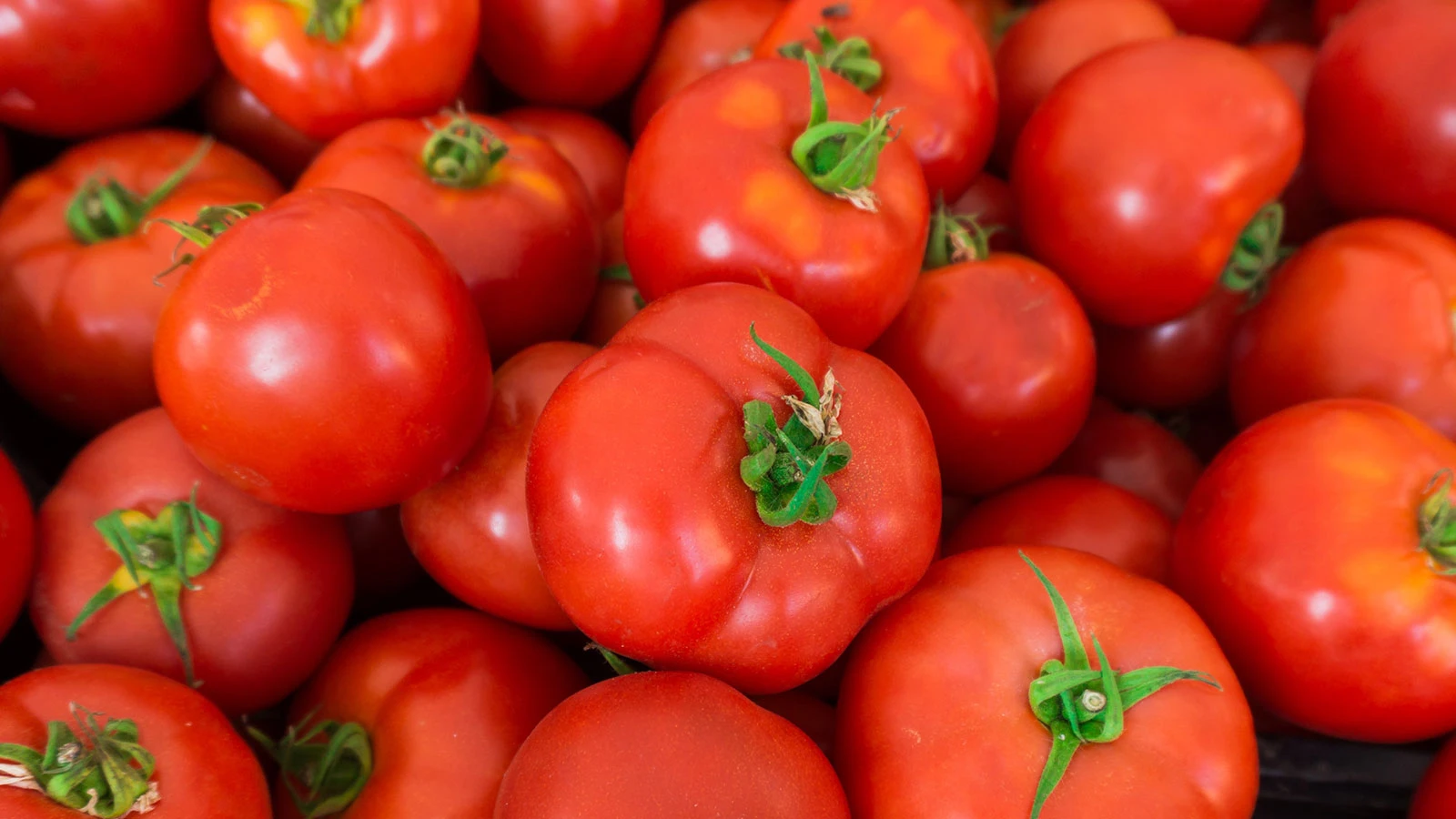
The debate that started after the laboratory analysis carried out by Greenpeace Türkiye on tomato samples collected from five large chain markets, detected pesticides exceeding the legal maximum residue limit, is growing. In the analysis, at least one pesticide active ingredient was found in 19 of 20 samples, while three products were found to be in violation of the legislation. While one of the samples contained an active ingredient that was banned for use in Türkiye years ago, unregistered pesticide residues were detected in tomatoes in some products.
AT LEAST ONE WAS DETECTED
While discussions on pesticide use and food safety in fresh fruits and vegetables continue in Türkiye, tomatoes taken from the shelves of five large chain markets and subjected to laboratory examination have caused concern. Greenpeace Türkiye’s “What’s Inside?” A total of 20 tomato samples purchased from chain markets were analyzed in the study carried out within the scope of the campaign. The samples were collected from stores in Ataşehir, Kadıköy, Sancaktepe and Sultanbeyli districts of Istanbul in July. The most striking result of the examination carried out by the internationally accredited independent laboratory was that none of the tomatoes analyzed contained pesticides above the legal maximum residue limit. However, when we looked at the details of the results, a different picture emerged. According to the data announced by Greenpeace, no pesticide residue was found in only one of the 20 samples. Thus, at least one pesticide active ingredient was detected in 95 percent of the tomatoes examined.
In the analysis, illegal pesticide use was detected in three samples. While this number corresponds to 15 percent of the total samples, these discrepancies did not arise from exceeding the maximum residue limit, but from the detection of active substances that are not allowed to be used in the product or are prohibited for use in Türkiye.
PROHIBITED SUBSTANCE
One of the most striking findings emerged in one of the tomato samples examined. According to Greenpeace Türkiye’s statement, the active ingredient Chlorfenapyr was found in the sample. The organization stated that the use of this active ingredient was completely banned in Türkiye as of December 31, 2010. Cyromazine was detected in another tomato sample. Greenpeace announced that the active ingredient in question is not licensed for tomato production. In another sample, Pirimiphos-methyl residue, which is stated to be not licensed for use in tomatoes, was found.
PESTICIDE WARNING FROM AYÇA KAYA
Internal Medicine Specialist Dr. Drawing attention to the long-term effects of pesticides on human health, Ayça Kaya said: “It is now scientifically documented that agricultural chemicals cause accumulation in the human body, especially in fat tissue. We see that the use of banned pesticides continues in our country. Some producers continue to use pesticides that were banned in the past. This causes agricultural products to carry more and more chemical loads. Sperm quality and fertilization rates decrease in men exposed to pesticides.”
Referring to the additives used to extend shelf life and add appeal in terms of taste and appearance, Dr. Kaya said, “Additives can weaken the immune system and cause damage to the digestive system. Colorants such as tartrazine have been linked to hyperactivity and attention problems in children. “The relationship of sweeteners such as aspartame with different health problems, from headaches to stomach problems and neurological effects, is being investigated in the scientific world,” he said.
