
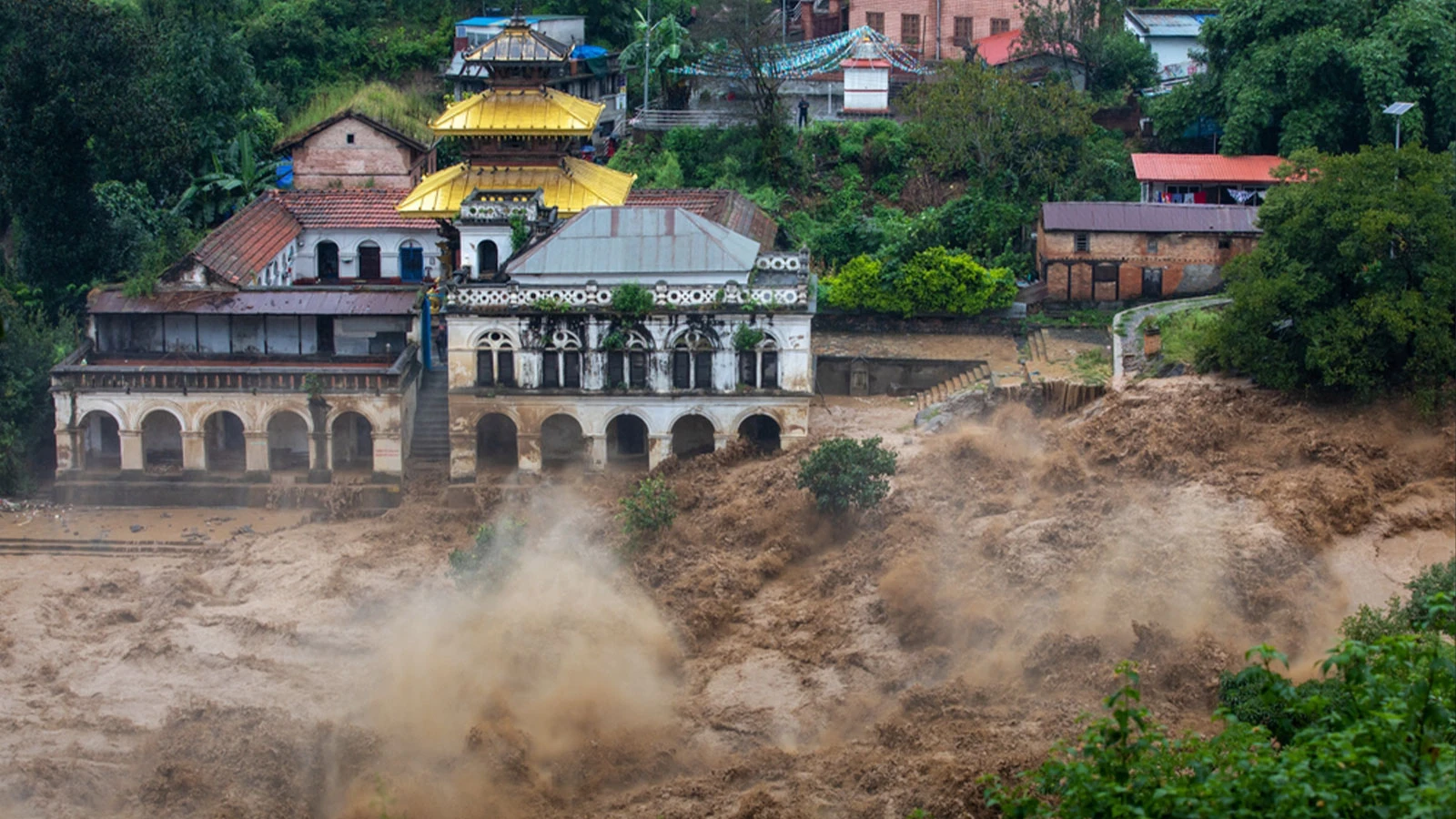
The disaster that occurred on the Nepal-Tibet border on August 26, causing the deaths of hundreds of people and the disappearance of approximately 3 thousand people, brought to the agenda once again the danger that grows with climate change in the high mountains. Evaluating the developments for the Climate Desk, Dr. Bikem Ekberzade stated that the first scientific evaluations indicate that the disaster was not caused by a single event, but by a series of processes that triggered each other. According to satellite images and initial evaluations, the rupture of a glacier or rock mass with the landslide that occurred around Langtang Lirung turned into a large ice-rock avalanche. Floods and debris flows occurred following the material and water reaching the valley and river system. Thus, the movement that started in the higher parts of the mountain turned into a much larger chain of disasters affecting the settlements below.
THE DISASTER THAT STARTED IN THE MOUNTAIN DROPPED INTO THE VALLEY
Such events occurring in high mountains are considered as “chain hazards” in the scientific literature. The breakaway of a glacier or rock mass can trigger another landslide, river bed closure, sudden accumulation of water and subsequent flood or debris flow. The magnitude of the disaster is determined by all the interconnected processes. Following the incident in Nepal, attention turned to the great flood that hit the town of La Bérarde in the French Alps two years ago. The new research, published August 18 in the journal Natural Hazards and Earth System Sciences, revealed that the disaster in 2024 may not be just a flood caused by surface water. According to the researchers, water pockets of hundreds of thousands of cubic meters stored in or under the glacier may have suddenly emptied, contributing to the growth of the flood.
CLIMATE CHANGE DISTURBES THE BALANCES
Activity in the Himalayas and French Alps also raises concerns that high mountain systems are becoming increasingly fragile under climate change. The fact that ice, snow, rock, water and sediment are interconnected in the same geography can cause a change in one part of the system to activate another danger. For this reason, it may not be enough to prepare for single disasters such as “floods”, “landslides” or “glacial breaks”. The main risk that scientists focus on is The first event triggers the second, and the second triggers a third, much more devastating event. Climate change is also transforming ice and snow systems in high mountains, increasing the uncertainty in these complex processes.
HIGH MOUNTAINS ARE ALSO AT RISK
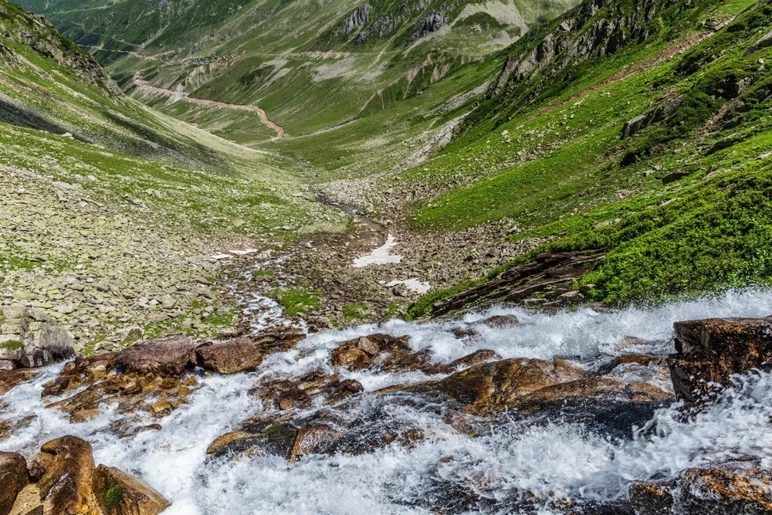
There are similar dangers for Türkiye. In high altitude regions, especially the Kaçkars, Cilo and Sat Mountains and Mount Ararat, glaciers, seasonal snow cover, rocks, water and sediment are in the same system. Moreover, there are residential areas, roads, energy infrastructure and different human activities in the valleys of these mountains. Dr. Ekberzade points out that the risks in the high mountains in Türkiye should be evaluated not as independent disasters, but as a chain of events that can trigger each other. Improving coordination between institutions, continuing interdisciplinary scientific research, and transferring the results obtained to disaster policies are of critical importance in reducing future losses.
(email protected)
