
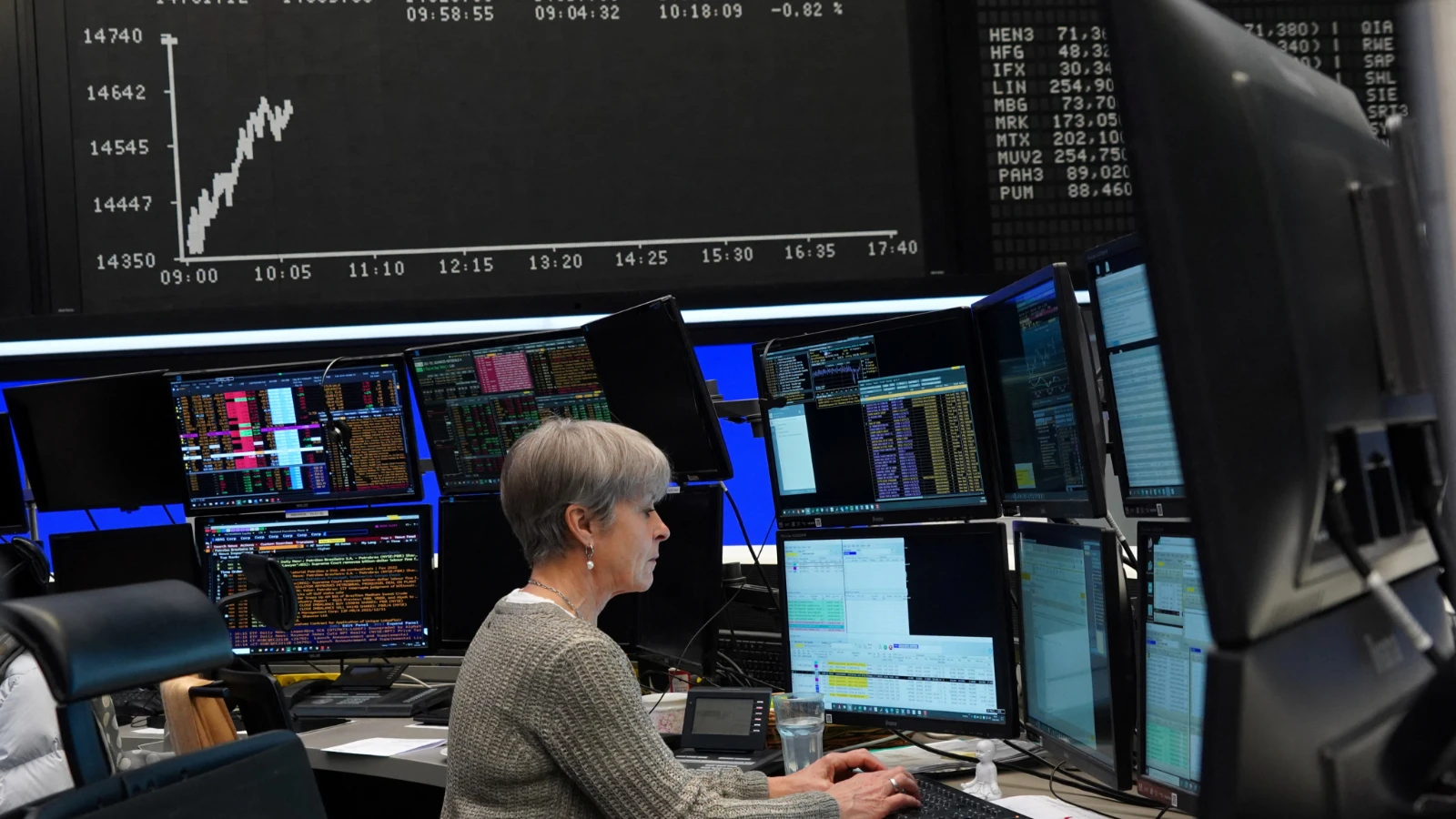
European stock markets are following a positive trend, except for the UK, due to the spread of the rise in technology stocks across the board.
With the selling pressure that has been in semiconductor stocks for a while disappearing and increasing hopes that the USA and Iran can sit at the negotiation table again, European markets are moving upwards, except for the UK.
On the geopolitical side, the ongoing tension in the Middle East is in the focus of investors. The statements of Ismail Bekai, Spokesperson of the Iranian Ministry of Foreign Affairs and the Negotiations Committee, that it is possible to restart negotiations with the USA if Iran’s national interests are taken into account, increased optimism for a diplomatic solution.
Despite hopes for a ceasefire, mutual attacks between the parties in the region continue intensely. The US’s continued attacks against Iran, Iran’s retaliation against targets in the Gulf countries, and the very limited ship passage through the Strait of Hormuz have brought energy supply security to the center of the agenda again.
With these developments, as of 10.20 in the European markets, the Stoxx Europe 600 indicator index is at 640.3 points, with a 0.1 percent increase, and the FTSE 100 index in the UK is at 10,522 points, 0.2 percent below the previous closing.
The DAX 40 index in Germany is at 24,877 points, 0.1 percent above the previous close, the FTSE MIB 30 index in Italy is at 52,078 points with a 0.4 percent premium, the CAC 40 index in France is at 8,350 points with a 0.2 percent increase, and the IBEX 35 index in Spain is at 19,230 points with a 0.1 percent gain.
JOHN HEALEY BECAME THE NEW FINANCE MINISTER OF ENGLAND
Andy Burnham, who was elected as the leader of the British Labor Party after Keir Starmer officially resigned from his post as prime minister, became the new prime minister of the country.
The areas in which Burnham will differ from the Starmer government are among the issues that investors are curious about. Burnham began to announce the ministers who will serve in his new cabinet.
John Healey, who resigned from the Ministry of Defense on June 11 on the grounds that military expenditures were insufficient, was appointed as the Minister of Finance, while Ed Miliband was appointed as the Ministry of Foreign Affairs of the country.
Selling pressure increased in the UK bond market after Burnham said the government would seek “any flexibility” while complying with borrowing and spending rules. Stock markets also diverged negatively.
On the macroeconomic side, unemployment in England was 4.9 percent in the March-May period. While the unemployment rate increased by 0.2 percent compared to the same period last year, it remained unchanged compared to the three months covering the February-April period.
Analysts stated that the ZEW economic confidence index will be observed in Germany and the Eurozone for the rest of the day, and that the news flow from the Middle East and developments in energy prices are also closely followed.
