
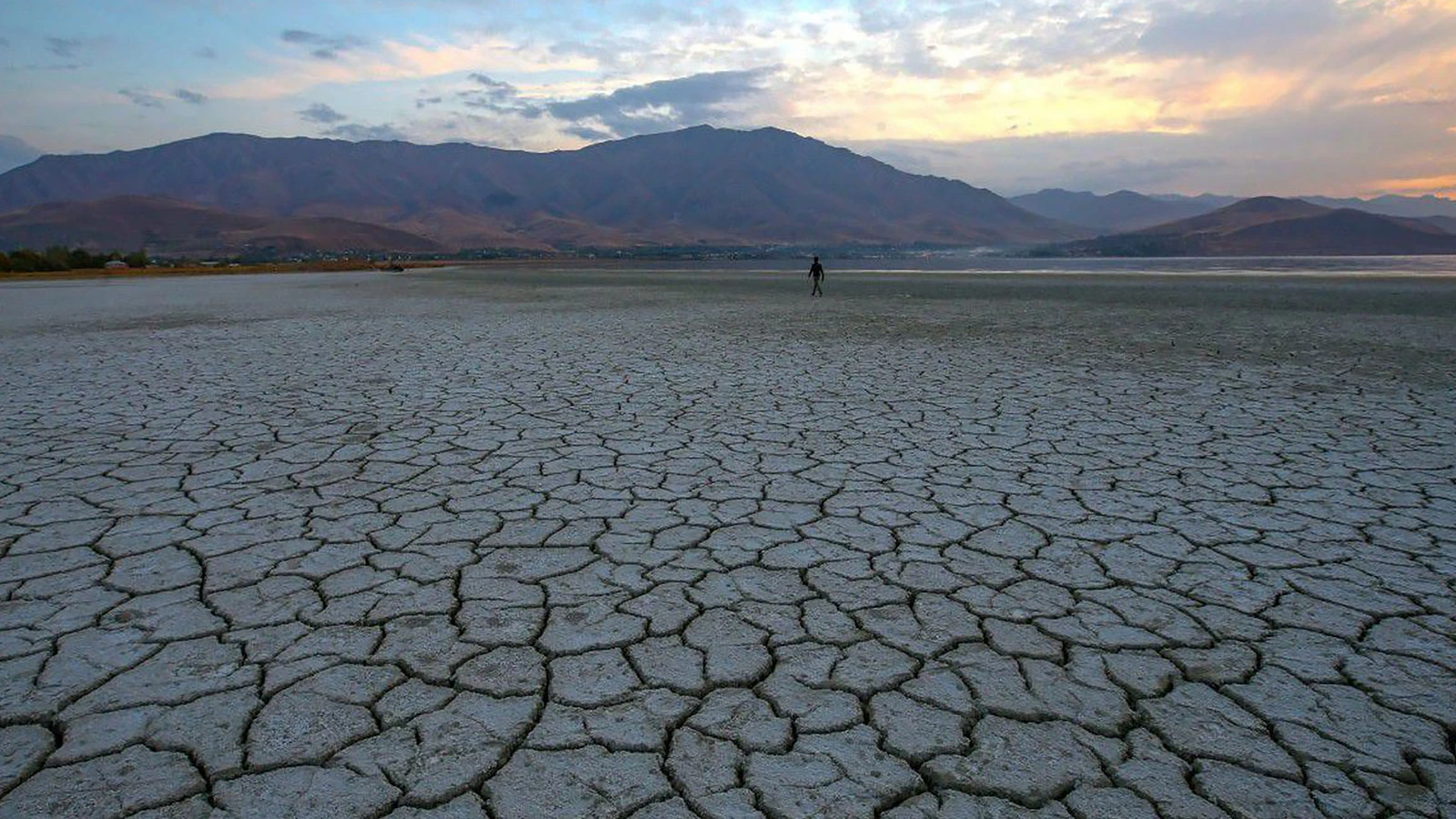
Climate change, increasing population, unconscious consumption and growing cities have brought Türkiye to the limit of water stress. Moreover, a significant part of limited water resources is lost due to leaks, malfunctions and measurement errors before reaching the user. The decrease in water resources in Türkiye is not only a natural problem but also carries the risk of turning into a direct infrastructure and management crisis. The weakest link in water management policies, which affect a wide range of areas from housing to industry, from tourism to agriculture, is “water loss”. The current situation is quite dire. The water loss rate, which has been tried to be reduced for years, is currently at a critical level despite all the warnings and progress. Although the loss rate, which was calculated as 60 percent in 2004, decreased with investments and regulations over many years, this rate is now pronounced as 30 percent.
LOST IN THE SYSTEM
According to calculations made on the data reported to the General Directorate of Water Management, The total amount of water supplied to the drinking and utility water network is calculated as approximately 6.22 billion cubic meters. While only 4.13 billion cubic meters of this amount reaches the user, Approximately 2.09 billion cubic meters of water is lost in the system. Experts point out that this amount is a huge loss that corresponds to the annual water needs of many cities. The rate of “non-revenue water”, which includes water that cannot be billed but is consumed, is stated as 38.67 percent.
WATER SHORTAGE IS EXPERIENCED
The annual amount of water per capita throughout the country is 1305 cubic meters. According to international criteria, this value shows that Türkiye is in the category of countries experiencing “water stress”. If the amount of water per person falls below 1000 cubic meters, it means “water scarcity”. When population projections and climate change effects are evaluated together, it is seen that Türkiye is rapidly approaching these thresholds.
MOST IN AGRICULTURE
The distribution of water consumption in Türkiye clearly reveals in which areas the resources are concentrated. While 68 percent of the total water use comes from residences, the share of industry and commerce is 9.6 percent, and the share of public institutions is 5.3 percent. However, the main consumption item is agriculture. While approximately 61.7 billion cubic meters of water is used annually throughout Türkiye, 48.7 billion cubic meters of this is used directly for agricultural irrigation. Indiscriminate primitive irrigation methods, which are still widely used in irrigation, increase the pressure on resources.
RAINFALLS ARE INSUFFICIENT
On the other hand, while the average annual rainfall in Türkiye is measured at 573.4 millimeters, the total volume of this rainfall is calculated as approximately 450 billion cubic meters. However, the entire amount cannot be evaluated. Only 185 billion cubic meters of precipitation flows and turns into water resources. According to calculations, usable surface water is 94 billion cubic meters and groundwater is 18 billion cubic meters.
LOSSES IN TREATMENT
A significant portion of water loss occurs in treatment facilities. Analyzes made in 107 of the 529 drinking water treatment facilities examined throughout Türkiye revealed that losses exceeded 20 percent in some facilities. These losses occurring during filter backwashing operations constitute an invisible but important weakness of the system. The National Water Plan, prepared against this critical problem, aims not only to reduce losses but also to reduce consumption. Accordingly, it is planned to reduce daily water consumption per capita to 120 liters in 2030, 100 liters in 2050, and 75 liters in 2100.
LOSSES OF BILLIONS OF LIRAS
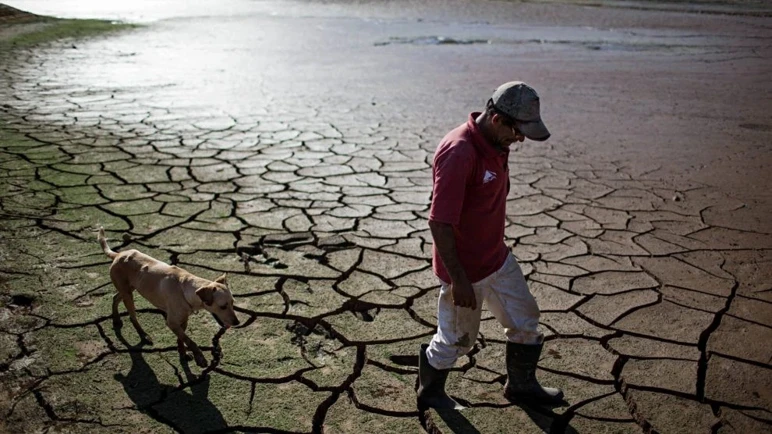
Making a statement about the national problem, Water Policy Association President and former DSI manager Dursun Yıldız said, “Municipalities were also given clear targets to reduce water losses. According to the regulation, metropolitan and provincial municipalities must reduce the water loss rate to 25 percent by 2028. However, current data shows that many municipalities fall behind these targets. Water loss is not only a technical infrastructure problem, but also a direct economic loss. “The economic equivalent of the annual water loss, which reaches approximately 2 billion cubic meters, indicates a loss of billions of liras according to the unit cost of water.” he said.
OLD AND DISPUTED INFRASTRUCTURE
Yıldız also shared the information that “The water loss rate in Türkiye, which is over 30 percent on average, is at a very high level compared to developed countries.” He said, “Water loss rates in EU countries are generally in the 10-15 percent range. In countries such as Germany, the Netherlands and Denmark, this rate has fallen below 10 percent. The fact that most of the water infrastructure in Türkiye is old and dispersed makes these systems vulnerable to both physical and cyber risks. Especially asbestos and old-style pipes pose a risk in terms of both health and water loss. “Even small cracks in these lines can lead to large losses over time.” he said.
(email protected)
