
The Chernobyl disaster was recorded as one of the largest nuclear accidents in history with the explosion that occurred in reactor number 4 on April 26, 1986. After the explosion, a restricted zone of approximately 30 kilometers was created around the power plant and the area was largely closed to human life.
As human influence decreased, the Chernobyl environment turned into a natural research area where different animal and plant species repopulated over time. However, this transformation brought with it new questions about the effects of radiation on living things.
Chernobyl became an “open-air laboratory” for nature
The Chernobyl exclusion zone has become a unique area for scientists to study how living things adapt to a radioactive environment. A lot of research is being done on wolves, birds, insects, plants and fungi in the region.
Some research shows that wolves living in the area may have developed biological adaptations to the harmful effects of radiation. It is stated that black fungi can feed on radiation in the environment and therefore attract attention in astrobiology studies.
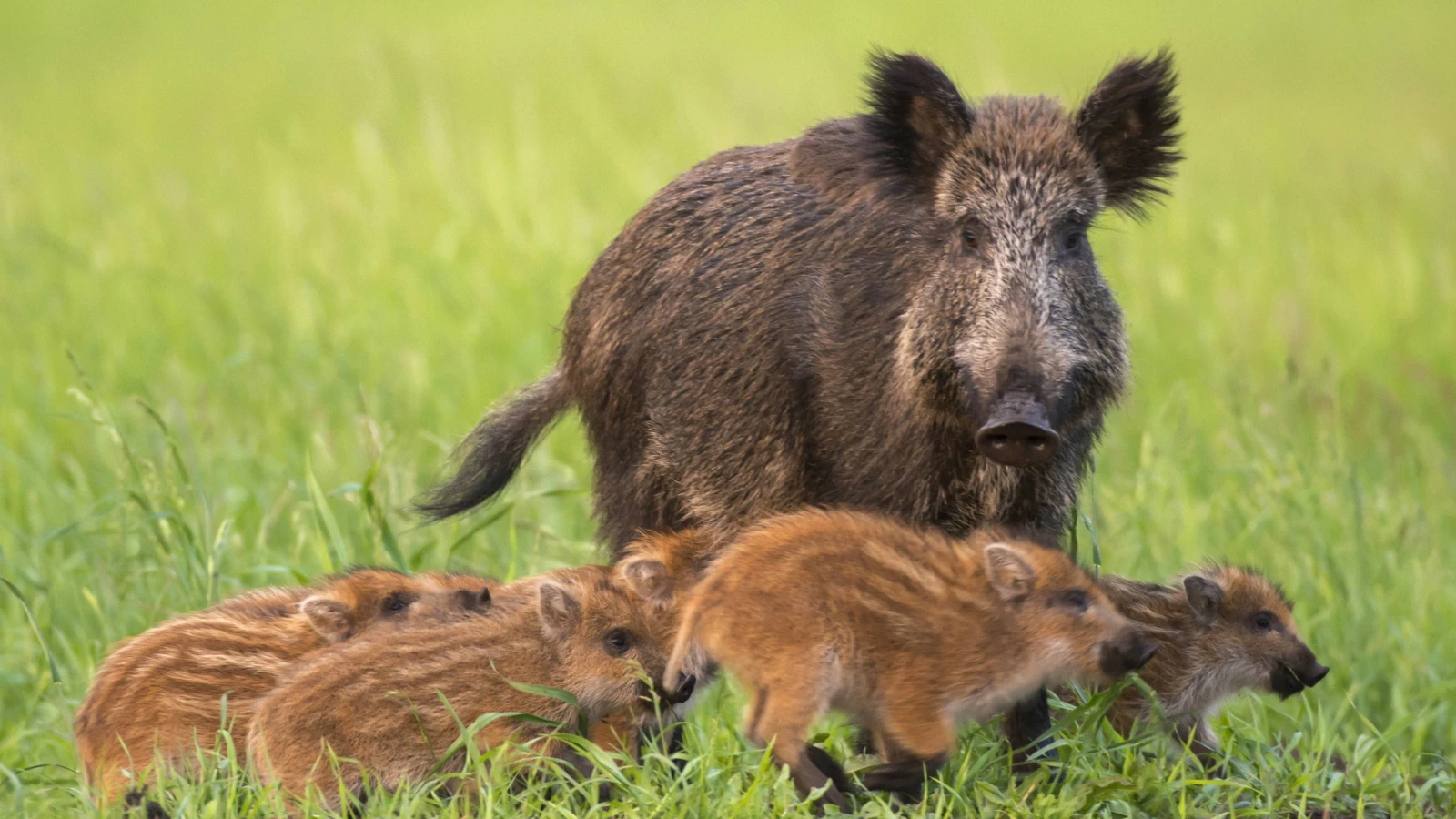
However, one of the most striking species in Chernobyl was wild boars. Because while radiation levels decrease over time in many other animals, high radioactivity continues in wild boars.
“The wild boar paradox”
Scientists call this situation the “boar paradox”. While radioactive substances are expected to decrease over time under normal conditions, the radioactivity levels in the bodies of wild pigs remain high; In some cases, it even increases.
According to research published in the journal Environmental Science & Technology, this situation is not only a result of the Chernobyl accident. Some of the radioactivity in wild boars has also been linked to residue from Cold War nuclear weapons tests.
The reason may be eating habits
According to researchers, one of the most important reasons why wild boars carry high radioactivity is that they eat some mushrooms that grow underground.
Wild boars feed primarily on fungi known as deer truffles, which grow about 20 to 40 centimeters below the ground. These fungi can accumulate slow-moving radioactive isotopes in the soil.
Since radioactive particles move very slowly into the deep layers of the soil, these mushrooms eaten by wild pigs today can carry materials left over from both old nuclear weapons tests and the Chernobyl accident.
Cesium-137 stars
According to experts, one of the most important sources of radiation detected in wild pigs is cesium-137. The half-life of this radioactive isotope is approximately 30 years. This means that it can maintain its effect in nature for a long time.
Scientists can distinguish the source of radioactive isotopes with advanced analysis methods. Thus, it can be understood that the radioactive substances in the wild boars come from both Chernobyl and past nuclear tests.
It also affects hunting in Europe
High radioactivity in wild boars is not just a scientific issue; It also has consequences for food security and agriculture.
In Central Europe, especially in regions such as Bavaria, the meat of some wild boars exceeds the safety limits set for human consumption. For this reason, hunters avoid hunting these animals.
The decrease in hunting pressure leads to an increase in the wild boar population. This situation creates damage to agricultural areas, difficulties in forest management, and new problems for local governments.
According to scientists, radioactivity in wild boars may not disappear completely anytime soon. For this reason, the effects of Chernobyl continue to be seen in nature in different forms even though decades have passed since the disaster.
