
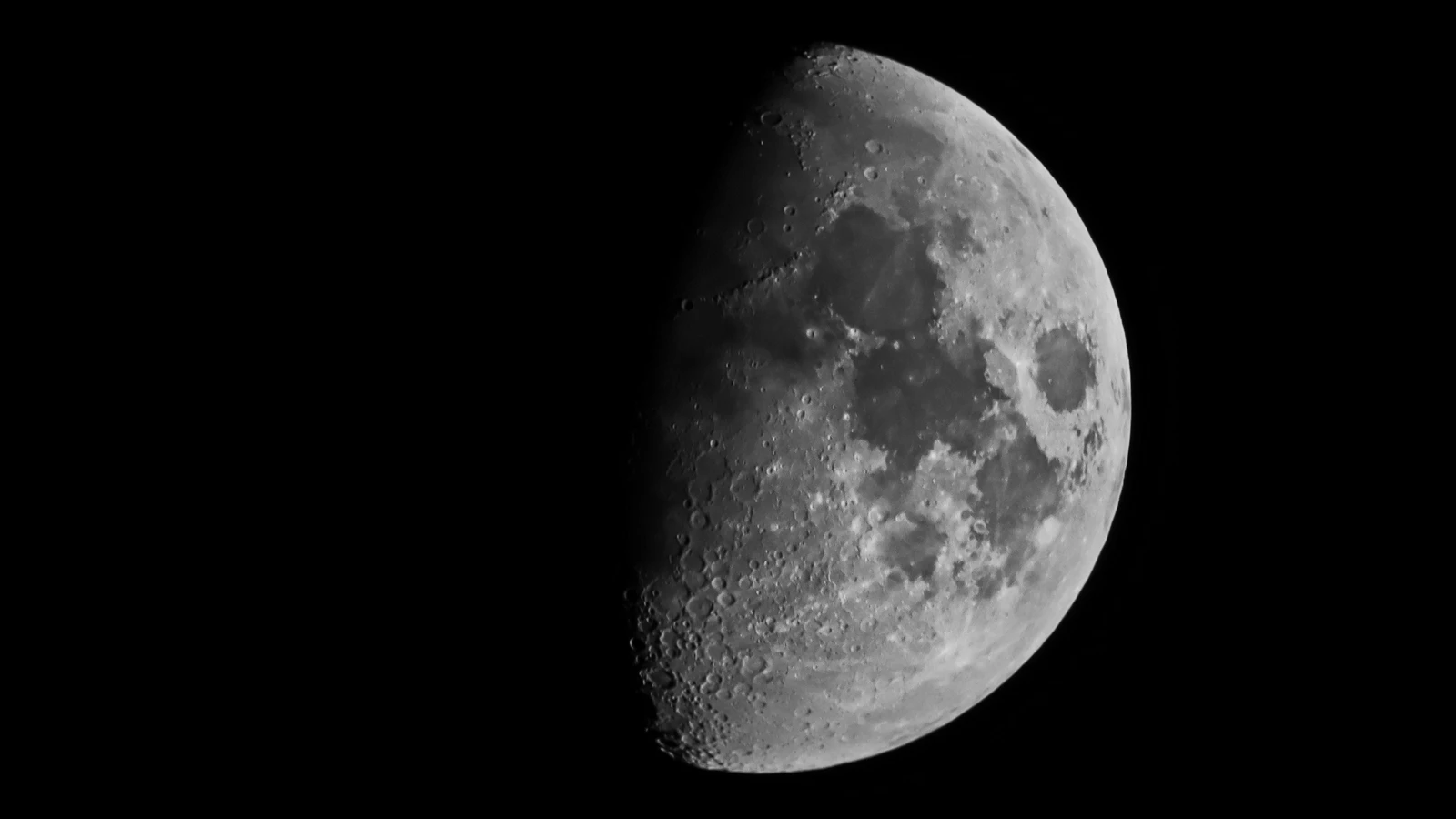
A rocket part belonging to SpaceX, the giant name in space transportation, is preparing for a hard meeting with the Moon at the end of this summer. According to the report published by Bill Gray, the founder of the Project Pluto software that tracks celestial objects; The upper stage of a Falcon 9 rocket launched in January 2025 is heading uncontrollably towards the Moon.
COLLISION COURSE: EINSTEIN CRATER
The 13.8-meter-long upper stage of the rocket, which carried the Blue Ghost and Hakuto-R vehicles to the Moon last year, continued to orbit the Earth after the mission. According to the report prepared after more than 1000 observations, the giant debris is expected to hit the Einstein crater on the side of the Moon facing the Earth on August 5 at 09.44 Türkiye time.
IT WILL INCREASE THE SPEED OF SOUND BY 7
Since the Moon does not have a protective atmosphere, the rocket part will reach the surface in one piece without falling apart. The prominent technical details about the collision are as follows:
Speed: 2.43 kilometers per second (about 7 times the speed of sound on Earth).
Size: 13.8 meters long, 3.7 meters diameter.
Observation: Due to low intensity, it cannot be observed instantly with telescopes on Earth; However, the new crater formed can be examined later.
A WARNING FOR “SPACE TRASH”
Bill Gray states that this collision may provide little scientific data, but the real problem is that the equipment in space is left “unattended”. The report emphasized that this situation reveals carelessness in the disposal of space debris. “It poses no danger to anyone, but it does reflect a certain indifference in the way equipment remaining in space is disposed of,” Gray said.
MOON TRAFFIC IS INCREASING
Although the Falcon 9 part that will fall into a deserted area does not pose a risk for now, this situation is a threat for future missions. NASA’s Artemis program and China’s plans to send humans to the Moon in 2030 point to a period in which permanent bases will be established on the satellite. To preserve future crewed missions, experts recommend sending spent rocket parts directly into solar orbit rather than leaving them in Earth or lunar orbit.
