
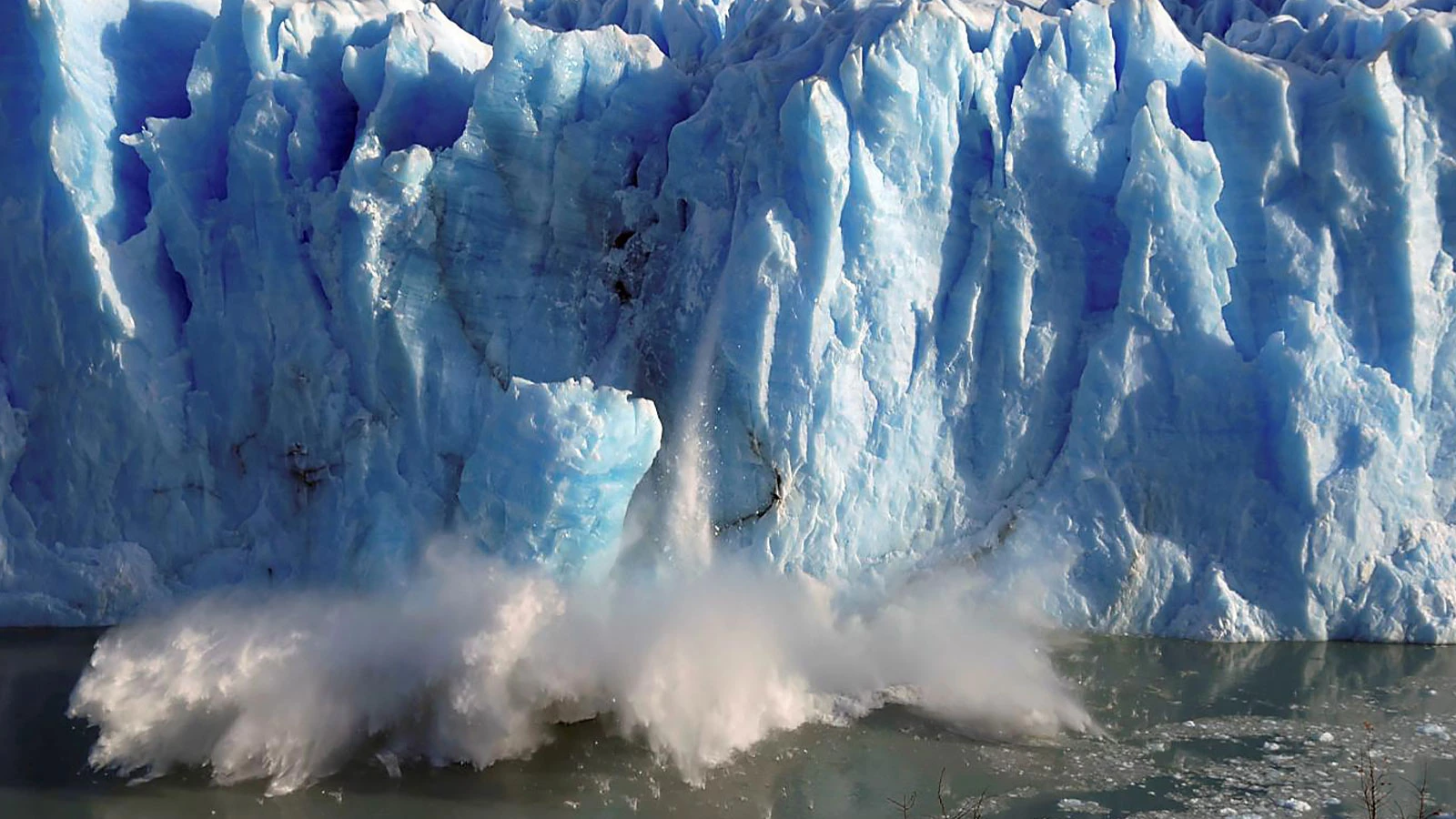
While the temperature increase due to global climate change accelerates the ice loss in the Arctic region, the emerging picture stands out as a harbinger of new and multi-layered risks for Türkiye’s coasts in the near future. According to the scientific world, the ecocide is not just a melting process occurring far from the polar geography; It means that a wide line of pressure extending from countries’ coastal cities to water management, from agriculture to infrastructure, is becoming increasingly evident. The latest research reveals the extent of the gravity. According to data from the US National Snow and Ice Data Center, Arctic sea ice was measured at 14.29 million square kilometers in the winter of 2026. This level means the lowest rate on record by 2025. While the resulting picture is interpreted as not a temporary fluctuation, but a systematic and accelerating dissolution, attention is also drawn to the risks for Türkiye.
DECREASED TO MINIMUM LEVEL
As the amount of ice required to form during the winter months in the Arctic decreases, the resulting layer becomes thinner and more fragile. S.According to preliminary data, Antarctic sea ice reached its annual minimum level of 2.58 million square kilometers on February 26, 2026. Although this value remained above the historical low recorded in 2023, it continued to remain below the long-term average. This showed that although the polar systems operate with different dynamics at both ends, they are generally under pressure.
CITIES ARE AT RISK
Scientists state that Türkiye is in one of the most sensitive zones of the climate crisis because it is located in the Mediterranean basin, and they point out that coastal floods will be inevitable with the melting of glaciers. In coastal cities such as Istanbul, Izmir, Kocaeli, Tekirdağ, Bursa, Samsun, Trabzon, Mersin, Adana, Hatay, Antalya; It is also emphasized that sea level rise and excessive rainfall will cause physical damage and service interruption to coastal facilities.
INFRASTRUCTURE MAY COLLAPSE!
Water Policy Expert Dursun Yıldız; While drawing attention to the risks arising from the melting of glaciers, he says: “Istanbul stands out as the most critical headline in this picture. The megacity is not only a large population center; it is also the node of port, finance, transportation and industrial networks. The line extending from Tekirdağ to Kocaeli on the Marmara coastline has long been the backbone of the Turkish economy. Today, sea level rise, coastal floods, sudden rainfall and infrastructure pressure on this line have to be considered together. The real threat; “The possibility of a chain outage extending from metro lines to coastal roads, from wastewater systems to port operations, from industrial warehouses to low-rise neighborhoods.”
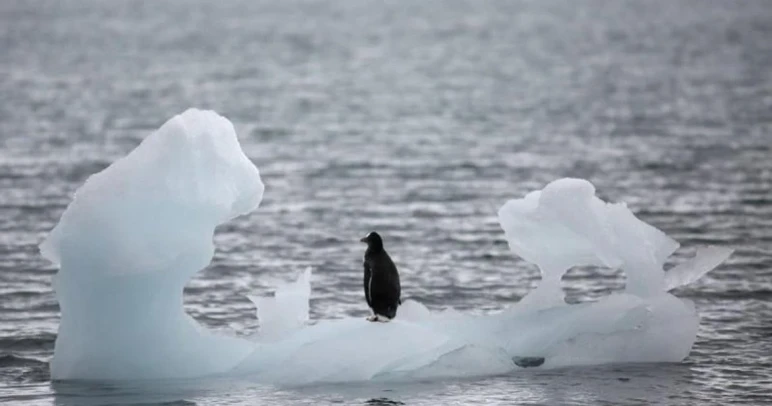
AGRICULTURE WILL BE AFFECTED
Former Undersecretary of the Ministry of Environment and Urbanization, Prof. Dr. Mustafa Öztürk, on the other hand, emphasized that low coastal plains and delta areas will be the regions that will be most rapidly affected by the increase in sea level and salt water intrusion, and said, “This situation may affect not only the coastline, but also the quality of agricultural soil, groundwater quality, irrigation capacity and crop pattern. Climate change does not only mean warmer weather. “As the water cycle deteriorates, drought in inland regions, productivity pressure in agriculture and an increase in energy demand will come to the fore more frequently.” he says.
(email protected)
