

The war, which started with attacks on Iran, continues to create shock in both global markets and Türkiye’s domestic economic balances. For this reason, all eyes are on the critical Monetary Policy Committee decision that will be announced on April 22. Although the messages from the Central Bank do not completely exclude the possibility of an interest rate increase, they show that the weight at the decision-making table is concentrated on the “measured reaction” approach. Analysts agree that the main problem facing the Board is whether the new pressure created by energy and geopolitical developments will turn into a permanent and widespread inflation wave. The meeting on April 22 is important not only in terms of the level of policy interest, but also in terms of how the Central Bank defines risks and what kind of language it will establish for the coming period.
WILL THERE BE AN INTEREST REDUCTION?
On the other hand, it did not surprise the markets that the international credit rating agency S&P Global Ratings confirmed Türkiye’s foreign and local currency credit rating at “BB-/B” and left the outlook at “stable”. The decision is considered as a sign that the current framework on the external financing front is maintained before the Monetary Policy Committee meeting. The expectation that has become clear in the markets is a “passing around” scenario in which the current tight stance will be maintained without a direct increase, let alone a rate cut.
WILL MONETARY POLICY CHANGE?
The renewed search for a ceasefire in the war, the emergence of signs of recovery in reserves and more selective messages from the Central Bank management are interpreted as strengthening the tendency to wait rather than take a drastic step at the meeting. Latest pricing shows that the tone of the decision text will be at least as decisive as the interest level. One of the most striking messages supporting this picture came from Central Bank Deputy Governor Hatice Karahan. Karahan, In his assessment in Washington, he said that not every supply shock would be responded to with monetary policy intervention.
CARD LIMITS UNCERTAIN
On the banking regulations side, the news flow regarding credit card limits attracted attention. Following the news in the press that the regulation was suspended, BRSA announced that technical and administrative work continues in cooperation with banks and relevant institutions, and that no new decision has been taken in the current situation. While this statement limited the “step back” comments in the market, it also showed that the regulation issue was not completely closed.
WILL INFLATION RISE?
However, the most challenging issue for the market is the deterioration in inflation expectations. In the Central Bank’s April 2026 Market Participants Survey, the year-end CPI expectation increased from 25.38 percent to 27.53 percent, and the 12-month inflation expectation increased from 22.17 percent to 23.39 percent, It is an indication that cost pressures and geopolitical risks, which have become more visible in recent weeks, are starting to be reflected in expectations.
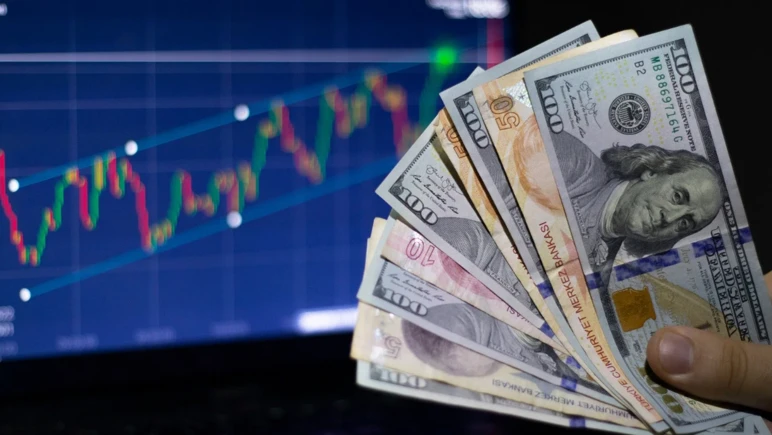
WILL THE INFLATION TARGET BE MEET?
Evaluating the possibilities for the coming period, Institutional Economics Expert Gülsev Duran said, “The increase in the barrel price of Brent oil creates a wide pressure area in energy importing economies such as Turkey, from fuel to transportation, from production costs to general pricing behavior. Therefore, the equation in front of the Monetary Policy Committee is not limited to domestic demand or credit growth; the question to what extent the external energy shock will disrupt the inflation path is at the center of the decision. Moreover, “The short-term relief that occurred with the expectation that the war would cool down in a controlled manner was replaced by cautious pricing again with the new tension on the Hormuz line.” he said.
(email protected)
