
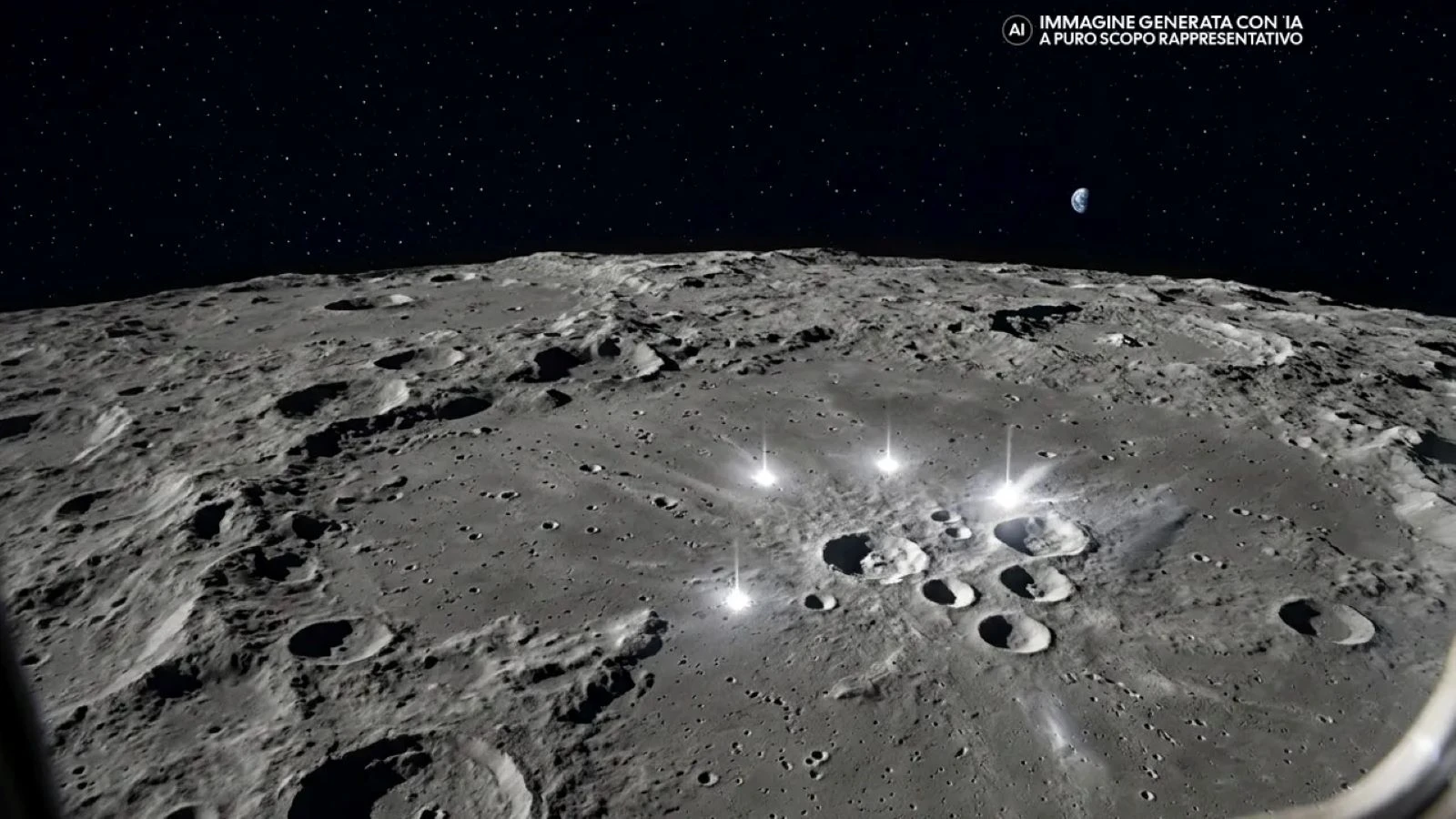
According to technical data shared by NASA, these transients were extremely short-lived; It was limited to a duration of approximately one millisecond. The white-blue color of the flashes indicates very high kinetic temperatures. The observation was made possible thanks to the solar eclipse; The elimination of reflection from the lunar surface allowed astronauts to work in conditions compatible with low light.
The observation of six impacts in such a short time period suggests that the intensity of the meteor stream may be higher than previous estimates. As Johnson Space Center researchers point out, the Moon’s lack of a protective atmosphere causes the surface to be subjected to constant bombardment, which determines its surface shapes.
Currently, visual data and measurements obtained from photometric sensors in orbit are being analyzed together to determine the mass and kinetic energy of the impacting objects.
In short, astronauts witnessed space collisions in real time: Small pieces of rock hitting at very high speeds break apart, creating spark-like flashes of light. This phenomenon clearly explains why the Moon’s surface is covered with craters.
Thanks to the complete darkness that occurred during the flight, these normally invisible events could be observed. Understanding the frequency of such “stone showers” is critical to the security of future lunar bases; because these data will help develop effective protective systems for astronauts who will live on the Moon.
