
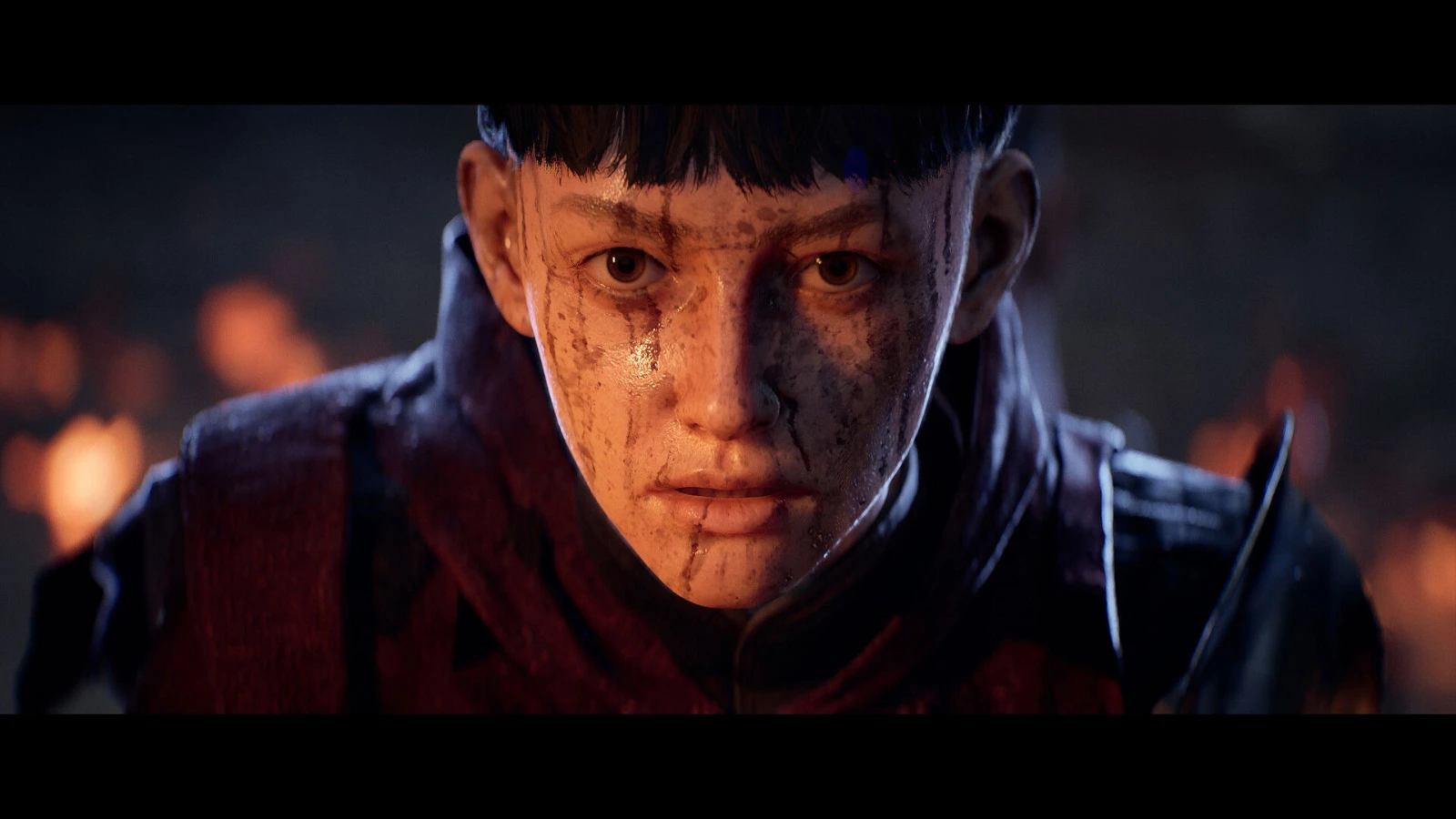
Italian indie game 1348 Ex Voto was released, presumably trying to gain a foothold on Steam just before the upcoming Crimson Desert dominated the market. The game has a very striking appearance reminiscent of Game of Thrones. It offers a sword fighting system that stays away from the Souls style, and the main reason it has attracted attention since the day it was announced is this: facing the worst year in Italy’s history.
The marketing of a medieval game with the word 1348 in its title as post-apocalyptic on the Steam page in 2026 creates an interesting parallel. Understanding what happened in this period of history is worth thinking about, especially at a time when discussions are intensifying that artificial intelligence could lead our society to a similar collapse.
1348: The worst year in Italian history
Designed in the action-adventure genre and featuring a combat system inspired by European martial arts, 1348 Ex Voto tells a classic tale of chivalry on the surface: saving a woman in danger.
But he does this from a quite different perspective. This is not only because the game’s protagonist, Aeta, is actually a female knight; This condition was more common than popular culture would suggest.
The real important point is the year 1348. This was the year when the Black Death reached Italy. This epidemic, which destroyed approximately 60 percent of the European population, led to the death of up to 80 percent of the population, especially in regions such as Florence.
Although this period was occasionally romanticized in the following centuries, it is difficult to fully understand from today’s perspective how much chaos the world was plunged into at that time.
Society changed because of a flea
1348 Ex Voto aims to take the player into the most harsh and hostile medieval environment imaginable. You try to survive in devastated cities and see how societies change in the face of this disaster.
And the reason for this change was not actually the mice, as most people think, but the bacteria carried by the fleas on them.
At that time, the feudal system was based on a system in which peasants worked in almost legal conditions of slavery. Kings and nobles benefited from the labor of large masses of peasants.
However, the mass deaths caused by the Black Death suddenly collapsed the workforce. This situation confronted the feudal lords, who had been powerful for centuries, with a serious weakness for the first time.
In just 150 years, the feudal world order completely disappeared.
This great transformation, 678 years later, causes us to think about the potential social change brought by artificial intelligence from a different perspective.
A new Renaissance after technofeudalism?
One of the frequently talked about concepts in recent years is “technofeudalism”. This concept argues that oligarchs and technocrats at major tech companies are moving closer to establishing a modern feudal order.
Today’s workers are theoretically free, able to look for work wherever they want. But in reality, many people are working under strict companies’ conditions, losing their rights to work remotely, facing ever-decreasing wages, and living under the threat of mass layoffs that could occur at any time.
Add to this the idea that artificial intelligence can do people’s jobs better and cheaper, and it seems that the capitalist system is on the verge of a serious transformation.
There’s no need to be an expert. What it means to be an “employee” today will likely change dramatically over the next decade.
From the Black Death came the Renaissance
Historians say that what happened between 1348 and 1350 created such a huge rupture in society that people’s view of the world completely changed.
This change destroyed the foundations of the feudal order, and the Renaissance was born from the ashes of that order.
For those who see the rise of artificial intelligence as both a powerful and dangerous development today, the year 1348 reminds us of two things: The possibility of a great collapse, but also the possibility of a great rebirth. Perhaps a new Renaissance can begin after this transformation.
It is a period that will make us rethink what it means to be human and what path we want to follow in the future.
And perhaps from the collapse of the current system there may arise an opportunity to build a better world.
Maybe.
