
The diesel agreement, announced after the meeting between US President Donald Trump and Russian President Vladimir Putin, also closely concerns Türkiye’s energy trade. Trump announced that Russia will deliver over 300 thousand tons of diesel to the US and global markets in the first phase, and the shipment could later reach 4.8 million tons. While Washington temporarily relaxes some sanctions against Russian diesel, the European Union continues its policy of moving away from Russian energy. The diverging policies of the USA and Europe bring many topics to the agenda, from oil prices to refineries, from TurkStream to the European market, for Türkiye, one of Russia’s largest energy customers.
Türkiye’S OIL BILL
Türkiye’s dependence on Russian energy is clearly seen in import figures. According to Energy Market Regulatory Authority data, 15.23 million tons of 31.94 million tons of crude oil imported in 2025 came from Russia. Thus, Russia’s share approached 48 percent. As for diesel, the picture is much more striking. Of the 13.66 million tons of diesel imported by Türkiye, 11.59 million tons, or approximately 85 percent, were supplied by Russia. For this reason, the reflection of the agreement between Washington and Moscow on prices and trade conditions is important for Türkiye’s energy bill.
TWO SEPARATE SCENARIOS
Russia’s offering of more diesel to world markets could reduce Türkiye’s import costs by reducing diesel prices. However, the increase in demand for Russian oil due to the relaxation of sanctions may narrow the price discounts provided to Türkiye. In this case, Turkish refineries may have to compete with more buyers. According to experts, the initial shipment amount may not be enough to create a permanent decline in global prices. Exchange rates and taxes will continue to be decisive in pump prices.
THE FUTURE OF TURKAKIM
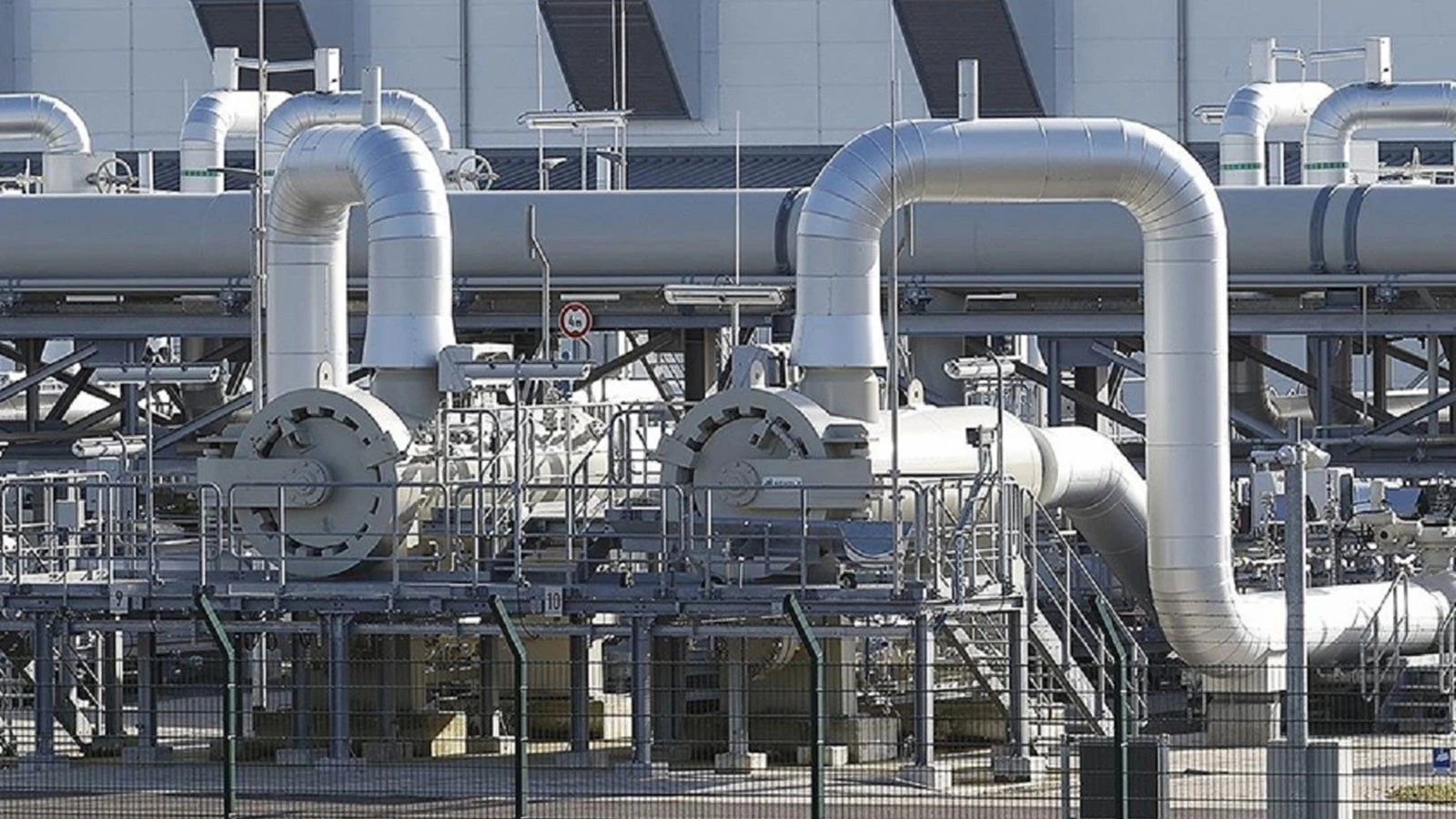
Another critical issue for Türkiye is the TurkStream line, which carries Russian gas to Europe. One of the two branches of the line passing under the Black Sea provides natural gas to Türkiye and the other to European countries. A.The annual capacity of the line towards Europe is 15.75 billion cubic meters. According to S&P Global data, 1.61 billion cubic meters of gas were sent to Europe through this route in January 2026 alone. However, the EU’s ban on Russian gas makes the future of the pipeline uncertain. The transition period for long-term contracts will end on September 30, 2027. If a more comprehensive energy agreement is reached between the USA and Russia, Europe’s stance may also come to the fore again.
NEW RISK FOR REFINERIES
The importance of Russian oil in the Turkish economy is also seen in refineries. According to the research of Kyiv School of Economics dated June 2026, Russian crude oil constituted approximately 42 percent of Türkiye’s seaborne crude oil imports in the first period of the year. The research pointed out that STAR Refinery was especially affected by US sanctions. The European Union has also imposed an import ban on petroleum products produced by processing Russian oil in third countries, as of January 21, 2026.
DIPLOMATIC BALANCE
The energy agreement between Washington and Moscow also concerns Ankara’s diplomatic relations. While Türkiye has continued its energy trade with Russia since the Ukrainian war, it maintains its support for Ukraine’s territorial integrity. On the one hand, there is energy supply from Russia, and on the other hand, there are US sanctions and commercial relations in the European market. According to analysts, whether the USA will extend its temporary sanctions exemption and Europe’s attitude towards Russian energy will be decisive in the future.
ENERGY CALCULATION IN EUROPE
The new energy traffic between Washington and Moscow is also closely related to Türkiye’s competition in the European market. Re-opening of Russian oil to the global market could reduce production costs in many sectors, from iron and steel to chemicals, ceramics and fertilizers. However, on the other side of the coin there is European industry. Europe’s access to cheaper energy may make price competition difficult for Turkish exporters.
WILL IT BE REFLECTED ON THE PUMP?
The real question is how the agreement will be reflected in fuel prices in Türkiye. The possible decline in diesel prices concerns not only vehicle owners but also a wide range of segments, from agriculture to transportation. Economic Expert-Analyst Barlas Yurtsever says, “The return of Russian diesel to world markets, the scope of US sanctions, Europe’s withdrawal schedule from Russian gas and the course of oil prices. The decrease in energy costs may ease Türkiye’s import bill.”
