
700 MARKET, 50 DEGREES, FIRES
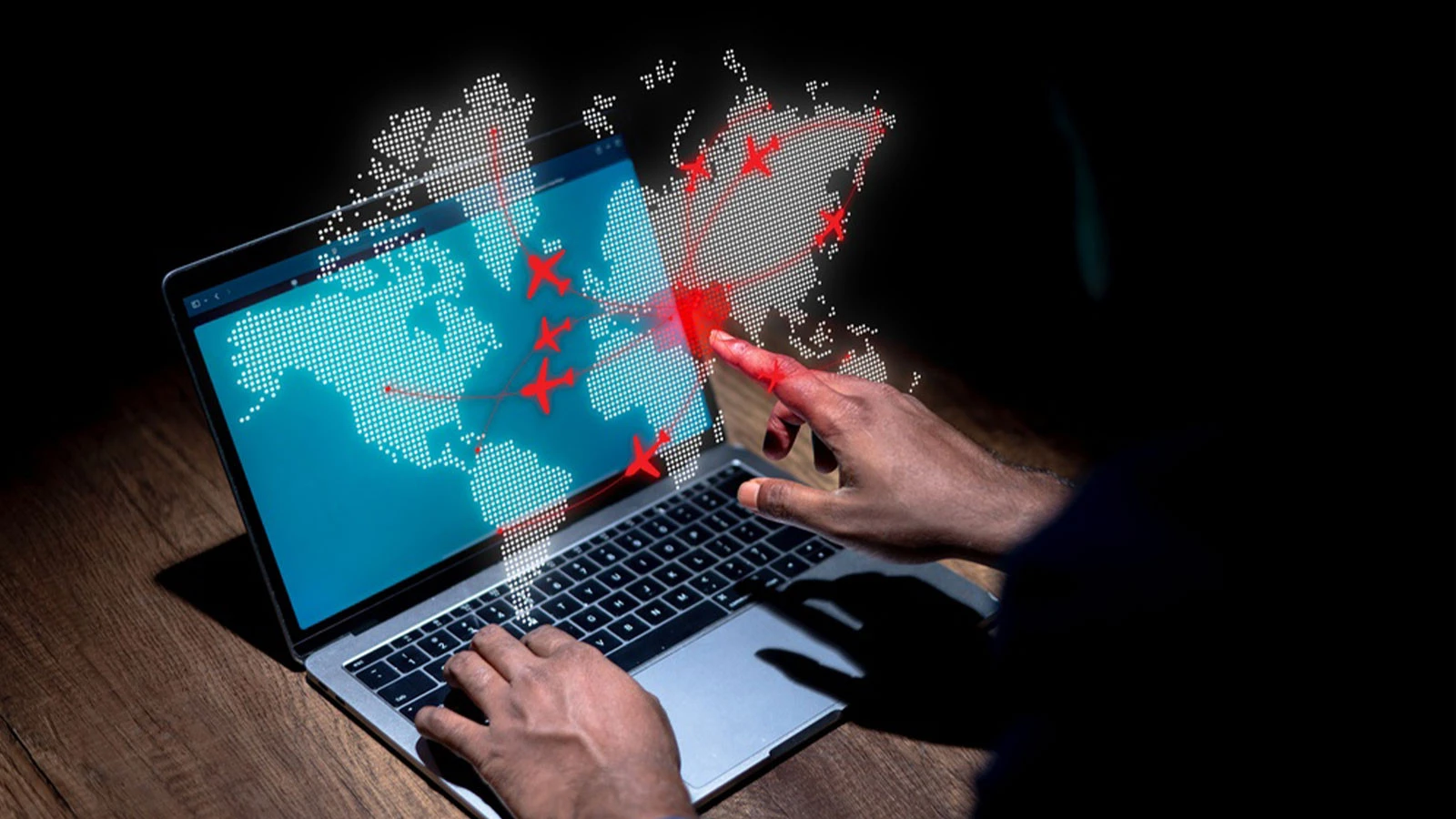
On October 11-12, the cooling systems of approximately 700 markets were seized in France; temperatures rose to 50 degrees and at least 15 fires occurred. On November 2, there were new attacks in nine European countries, including Belgium, Sweden and Ireland. France blamed the first attack on the Martyr Kaveh unit, affiliated with Iran’s Revolutionary Guard; Tehran denied the accusation. The perpetrators of the second wave of attacks have not yet been identified.
YOUR HOME IS ALSO IN DANGER
According to experts whose opinions were included in the joint reports of French security institutions, almost every home device connected to the internet can be the target of hackers when there is a security vulnerability. British cyber security officials announced that groups linked to Russian military intelligence were hijacking home modems and redirecting users to fake sites. A researcher revealed that nearly 7,000 robot vacuum cleaners had access to cameras, microphones and house plans. Smart televisions and door locks are also at risk.
HOSPITALS AND WATER NETWORKS ARE AT RISK
The French Cyber Security Agency announced that the cooling technology used in markets is also available in healthcare facilities where vaccines, medicines and dangerous substances are stored. More than 30 local water systems in the US state of Minnesota were targeted by cyber attacks in July. American security authorities suspected Iran-linked groups. Experts state that hospital equipment, drinking water purification systems and drug stores may be disrupted in a similar way.
CRITICAL INFRASTRUCTURE IS ON TARGET
In July 2026, an attack attributed to Iran-linked hackers disabled a small power station in England for four days. In South Korea, data theft against seven financial institutions affected approximately 68 thousand people. Cyber attacks can also disrupt electricity distribution, train signaling, telecommunications and payment systems. Experts point out internet-connected industrial control systems as one of the critical risk areas.
