
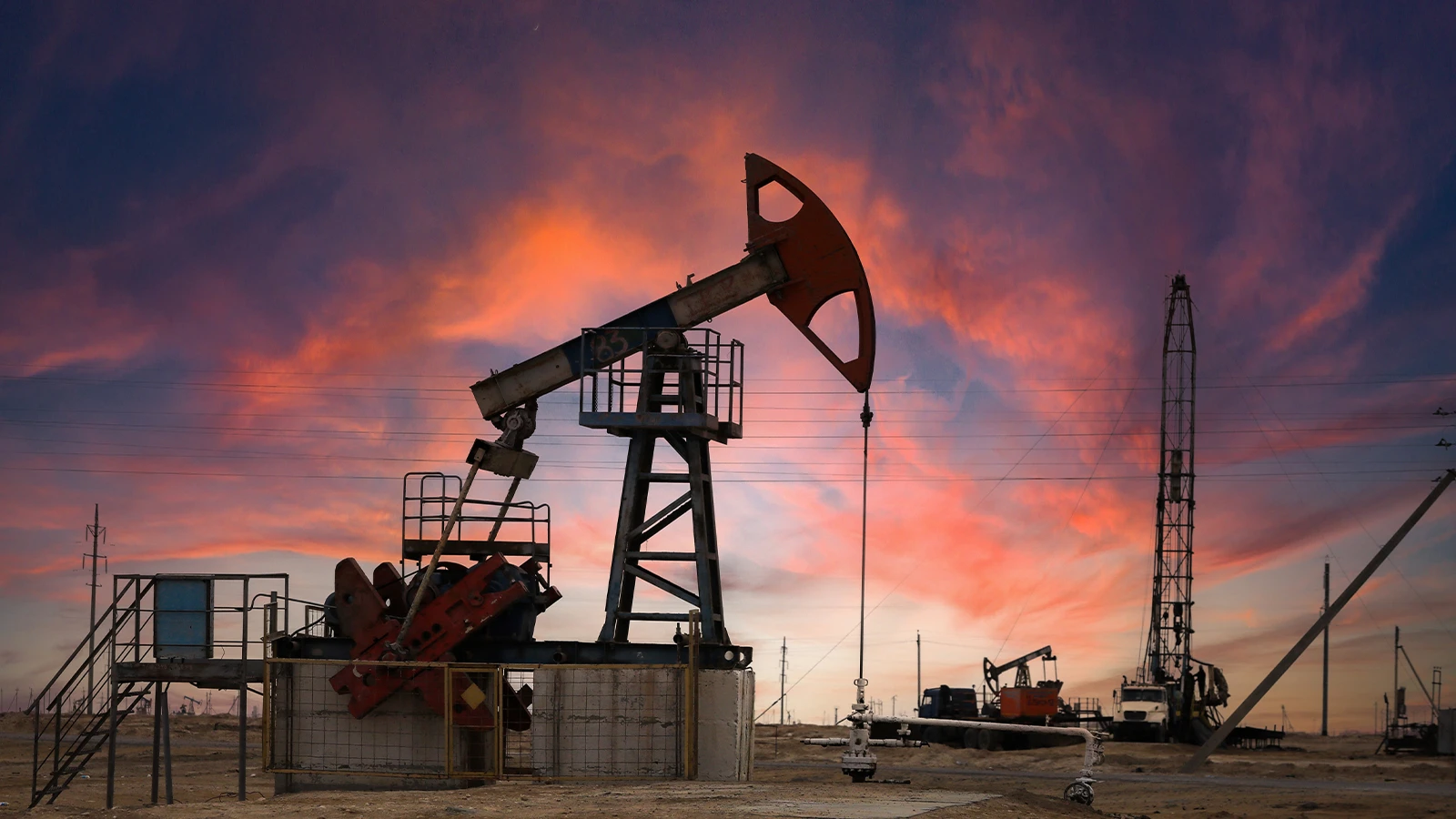
The European Commission’s latest status report on energy markets revealed that global oil markets have entered a “period of high uncertainty”. It was stated that political and military tensions, especially in the Middle East, caused sudden fluctuations in crude oil prices. While the report emphasized that supply security was fragile in the short term, it was stated that the market was “on a sensitive balance against shocks”. The commission’s assessment highlights the impact of tensions around the Strait of Hormuz in recent weeks on global oil trade. It is known that approximately 20 percent of the world’s oil transportation is provided through this critical transit point. Therefore, any disruption in the region is directly reflected in global prices.
MONITORING AND COORDINATION
European Commission officials stated that the markets are not currently facing a direct supply shock, but the risks have increased. In the statement made by the Commission’s energy unit, it was emphasized that member countries should be ready to use strategic oil reserves in a coordinated manner. According to Eureporter, the Commission stated that stock levels, especially in crude oil and refined products, are closely monitored and coordinated intervention mechanisms can be activated if deemed necessary.. This approach is considered a continuation of the “common energy security strategy” developed by the European Union after the 2022 energy crisis.
VOLATIVE COURSE IN PRICES
It seems that Brent oil prices have been under upward pressure in recent days. According to International Energy Agency (IEA) data, while global demand remains strong, geopolitical risks on the supply side limit the downward movement of prices. The IEA also states that high demand, especially from Asia, supports the market, but possible disruptions in the Middle East could cause “sudden price jumps”. This situation has caused investors to act more cautiously in their short-term positions.
STRATEGIC RESERVES
European Union countries are reconsidering their strategic oil reserves against possible supply disruptions. In the latest analysis published by the US Energy Information Administration (EIA), “Total stocks of OECD countries buffer the market against short-term shocks” However, it was stated that this may not be sufficient in a long-term crisis scenario. Energy experts state that Europe’s effort to diversify its energy supply chains after the Russia-Ukraine war played a critical role in this process. However, a new wave of tension originating from the Middle East may retest these gains.
MIDDLE EAST FACTOR
Analysts emphasize that the biggest risk factor in oil markets is still geopolitical developments. It is known that tensions, especially between Iran, the Gulf countries and the USA, sometimes create a “risk premium” in the markets. Investors are currently adding a high geopolitical risk premium to pricing, according to the agency’s energy analysis. This shows that oil prices are shaped not only by the supply-demand balance but also by political developments.
LONG TERM OUTLOOK
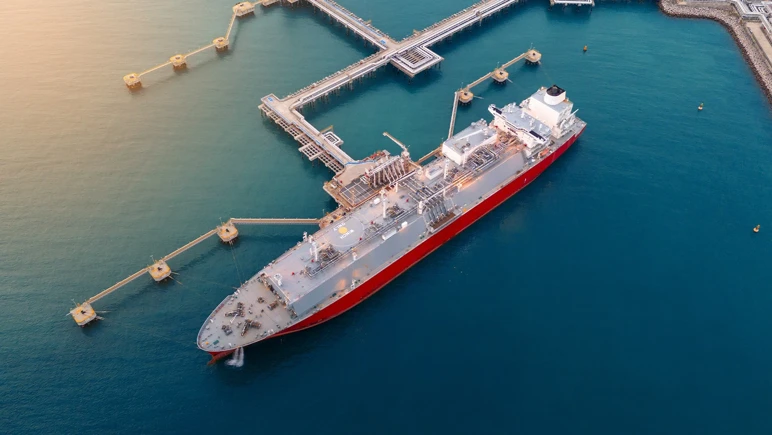
According to experts, oil markets will remain volatile in the short term due to geopolitical fluctuations. However, in the long term, increasing renewable energy investments may slow down the rate of demand growth. Despite this, the transition process is expected to take at least another decade. In this process, oil will continue to be the main component of the global energy system.. The European Commission’s assessment reveals that oil markets are in a “stable but fragile” balance. Every new development in the Middle East has the potential to rapidly change this delicate balance. Energy experts agree that both price volatility and political risk premium will remain high in the coming period.
(email protected)
