
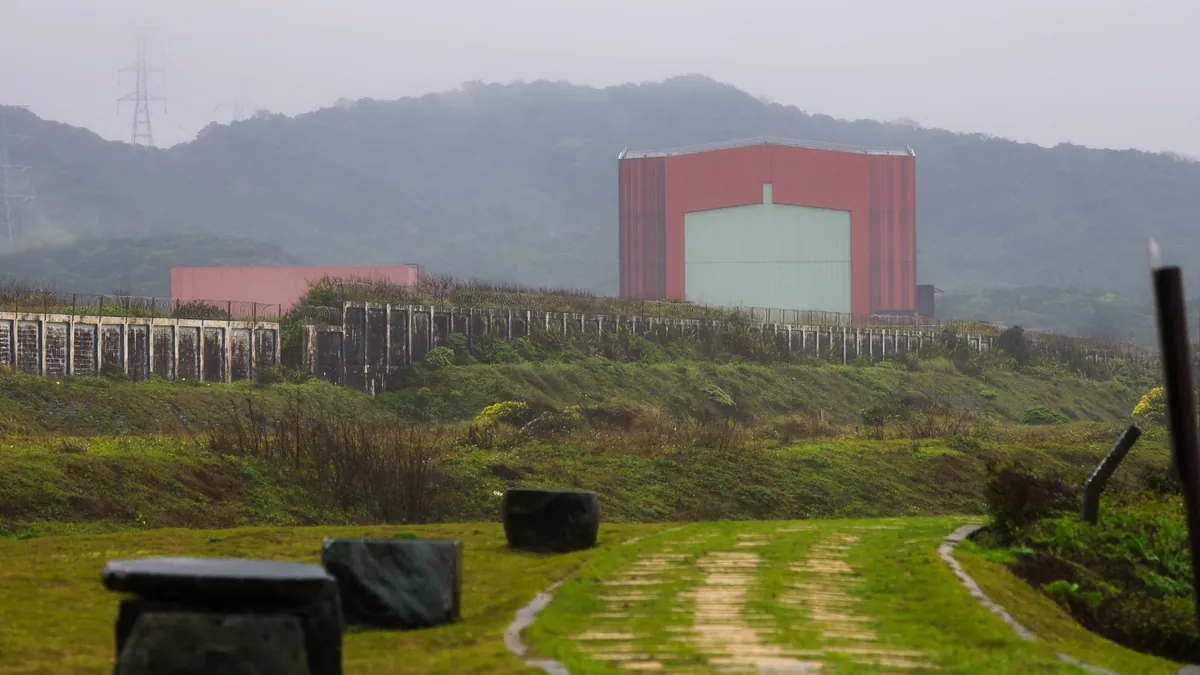
Referendum on island nation
Taiwan wants to return to nuclear power
Updated 11/28/2026 – 10:58 p.mReading time: 3 minutes

Taiwan only shut down its last reactor in May 2025. Now a clear majority is in favor of the U-turn, but there is a long way to go back.
The people in Taiwan The majority have spoken out in favor of a return to nuclear power. Parallel to the local elections, more than 7.4 million people voted for it in a referendum on Saturday, while almost 4.6 million voted against it. This corresponds to an approval of around 62 percent. The question was whether the government should use nuclear energy to stimulate the economy and abandon the goal of a “nuclear-free homeland” to do so.
This calls on the government to act. However, no reactor can go back online immediately: the units were shut down after 40 years, and they would need new operating licenses to restart. The Ministry of Economic Affairs said it respected the result.
The vote was brought by the opposition Kuomintang (KMT), under whose government the first power plants were built.
From economic boom to protest topic
The island nation has a turbulent history with nuclear power. From the 1960s onwards, the economy grew rapidly and with it the demand for electricity. Because Taiwan hardly has any raw materials of its own, the state utility Taipower planned four nuclear power plants. In 1985, nuclear power covered 52 percent of electricity needs.
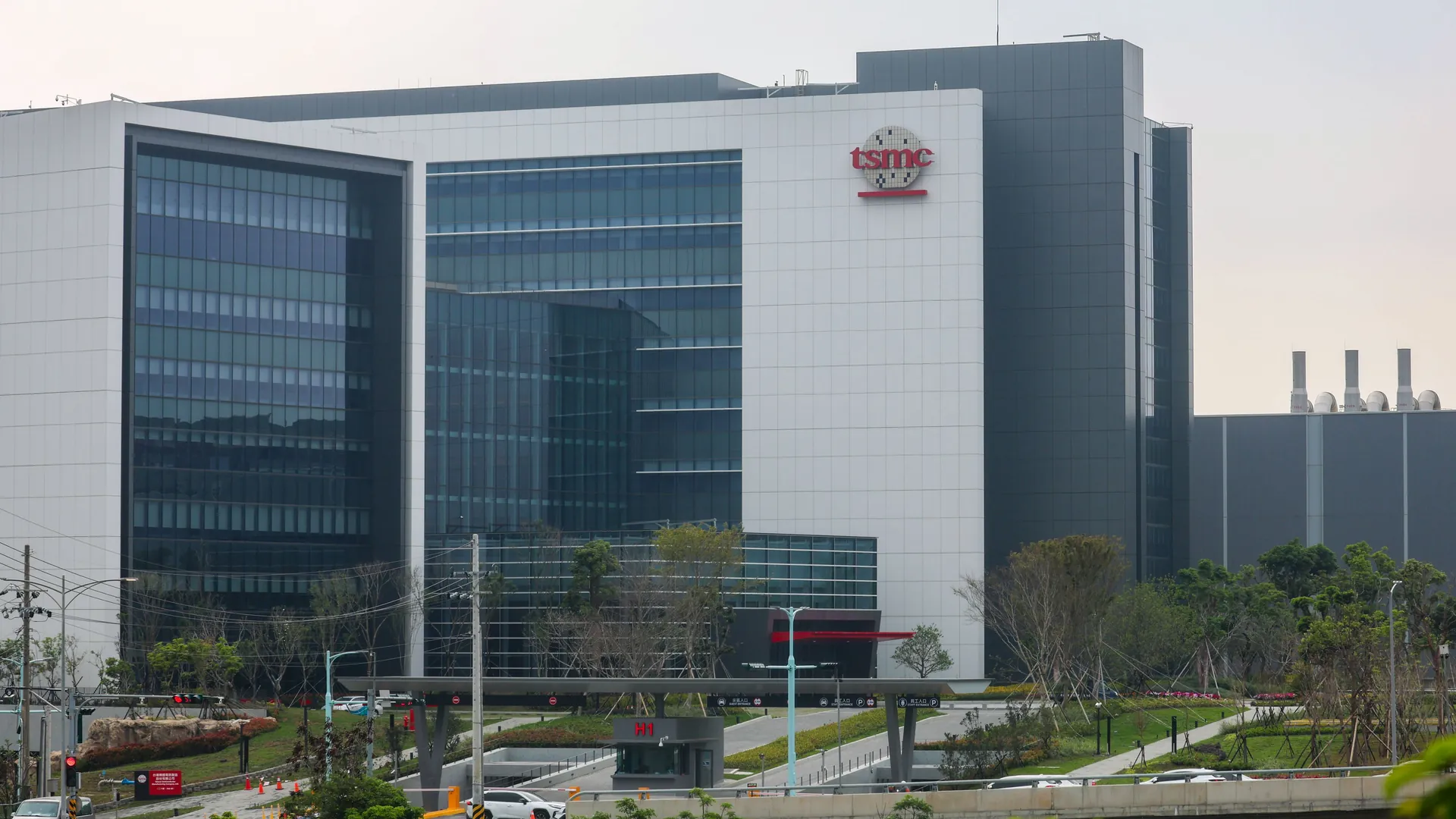
After a turbine fire at the Maanshan Power Plant in 1985 and the disaster of Chernobyl In 1986 the mood changed. The anti-nuclear movement combined with the protest against the KMT. Their rallying point became the Democratic Progressive Party (DPP), founded in 1986 and which governs today. Because environmentalists found the DPP too weak on the nuclear issue, they also founded the Taiwan Green Party in 1996.
Exit without a final storage facility
Soon nuclear waste became a problem. Low-level radioactive waste has been stored on the island of Lan Yu since 1982, whose indigenous residents, the Tau, were initially not consulted and only later received compensation. There is still no final storage facility to this day.
After the disaster at the Japanese nuclear power plant Fukushima Resistance grew in Taiwan. The fourth power plant, Lungmen, was mothballed in 2014 without ever supplying electricity. By then the project had nine billion US dollars devoured. In 2016, the now ruling DPP government decided to phase out, and the last reactor went offline in May 2025.
Power outages and mood changes
Since the first reactors were shut down, secure power supply has been a problem. Because several blocks went offline prematurely, Taipower’s reserves fell to critically low levels in 2017. In the same year, 6.7 million households were without power for hours after an operating error in a gas power plant; in 2021, a grid disruption affected around four million households. Even short outages can damage the chip industry.
As in Germany, which shut down its last reactors in April 2023, nuclear power has been dividing society in Taiwan for decades. In 2018, a majority voted against the statutory phase-out in a referendum, but the government still stuck to it. In 2021, however, a majority rejected the completion of the Lungmen kiln.
