
EVERYTHING STARTED IN ANATOLIAN LAND
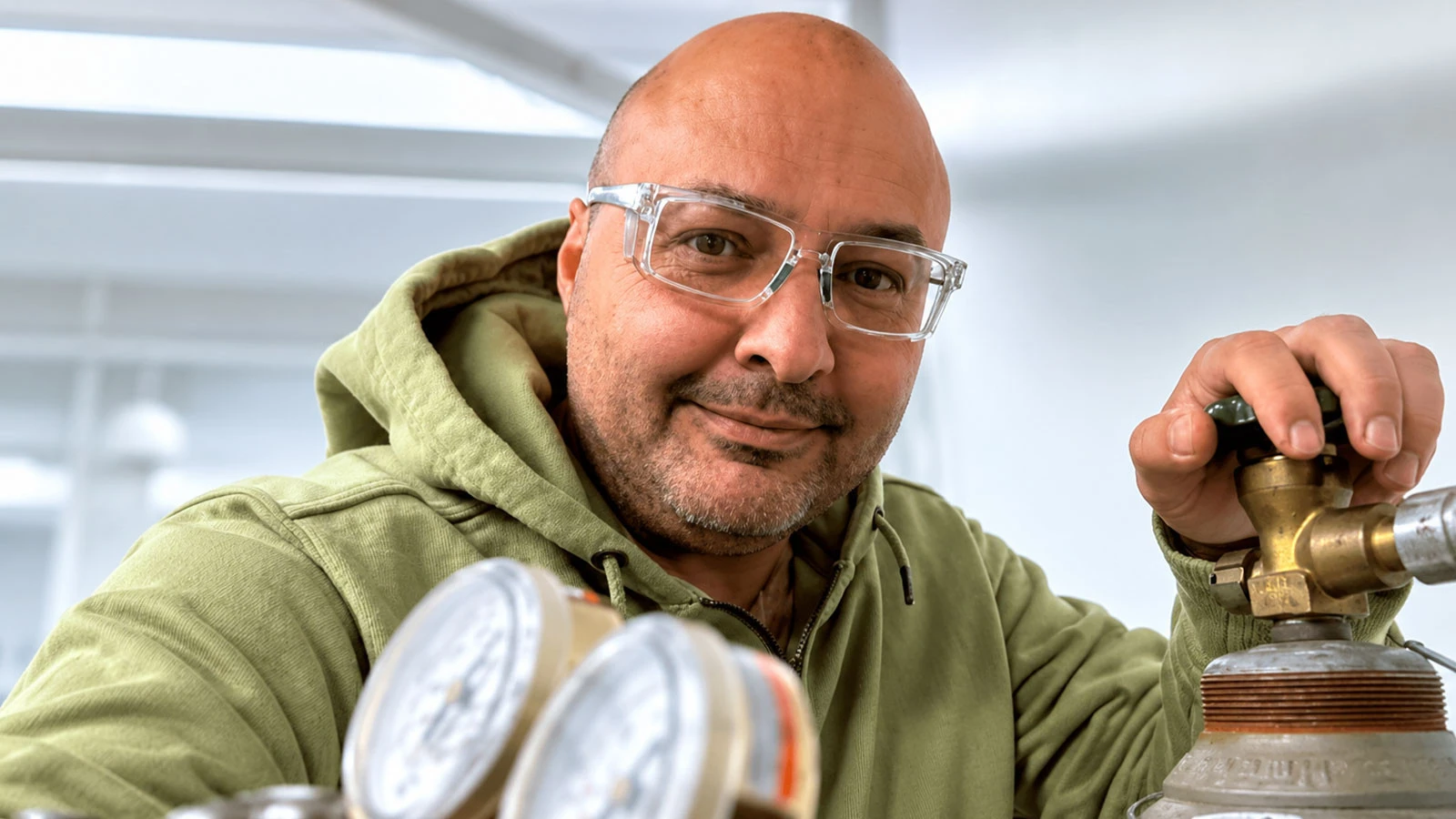
The starting point of the story is soil samples taken from Eastern Anatolia. Turkish scientist Ali Rıza Akın has been conducting studies on microbiota, new generation probiotics and especially Akkermansia muciniphila in California and Silicon Valley since 1997. According to the information brought up by Akın, the bacterium named Streptomyces roseosporus NRRL 11379, obtained from samples taken from Anatolia, was later taken to the USA. Studies on this bacterium paved the way for the development of daptomycin, one of the powerful antibiotics used in the world years later.
FROM SOIL TO ANTIBIOTIC
During studies conducted on bacteria extracted from Anatolia, powerful antibacterial compounds were detected. One of these was later named daptomycin. Daptomycin has become one of the important antibiotics used to combat severe infections, especially those caused by resistant Gram-positive bacteria. According to FDA records, first Eli Lilly and then Cubist Pharmaceuticals played a role in the clinical development of the drug.
IT HAS BECOME A CUBICIN BRAND IN THE USA
The critical stage in the commercial story of daptomycin occurred in the USA. Cubist Pharmaceuticals, which acquired the development rights after the initial studies conducted by Eli Lilly, put the drug into the clinical development process again. Daptomycin received FDA approval in 2003 and was marketed in the United States under the brand name CUBICIN. The drug was used to treat complicated skin infections and bloodstream infections caused by Staphylococcus aureus.
BILLION DOLLAR VALUE, NO SHARE FOR Türkiye
According to the information previously given by Ali Rıza Akın, approximately 1.3 billion dollars of revenue was obtained from daptomycin. However, it is stated that Türkiye, the country where the bacteria originated, does not gain direct financial benefit from the development and commercialization of the product. According to Akin, the issue is not just the revenue lost in the past; It is also an important example in terms of preserving the economic value of Türkiye’s microorganisms, plants and genetic resources.
