
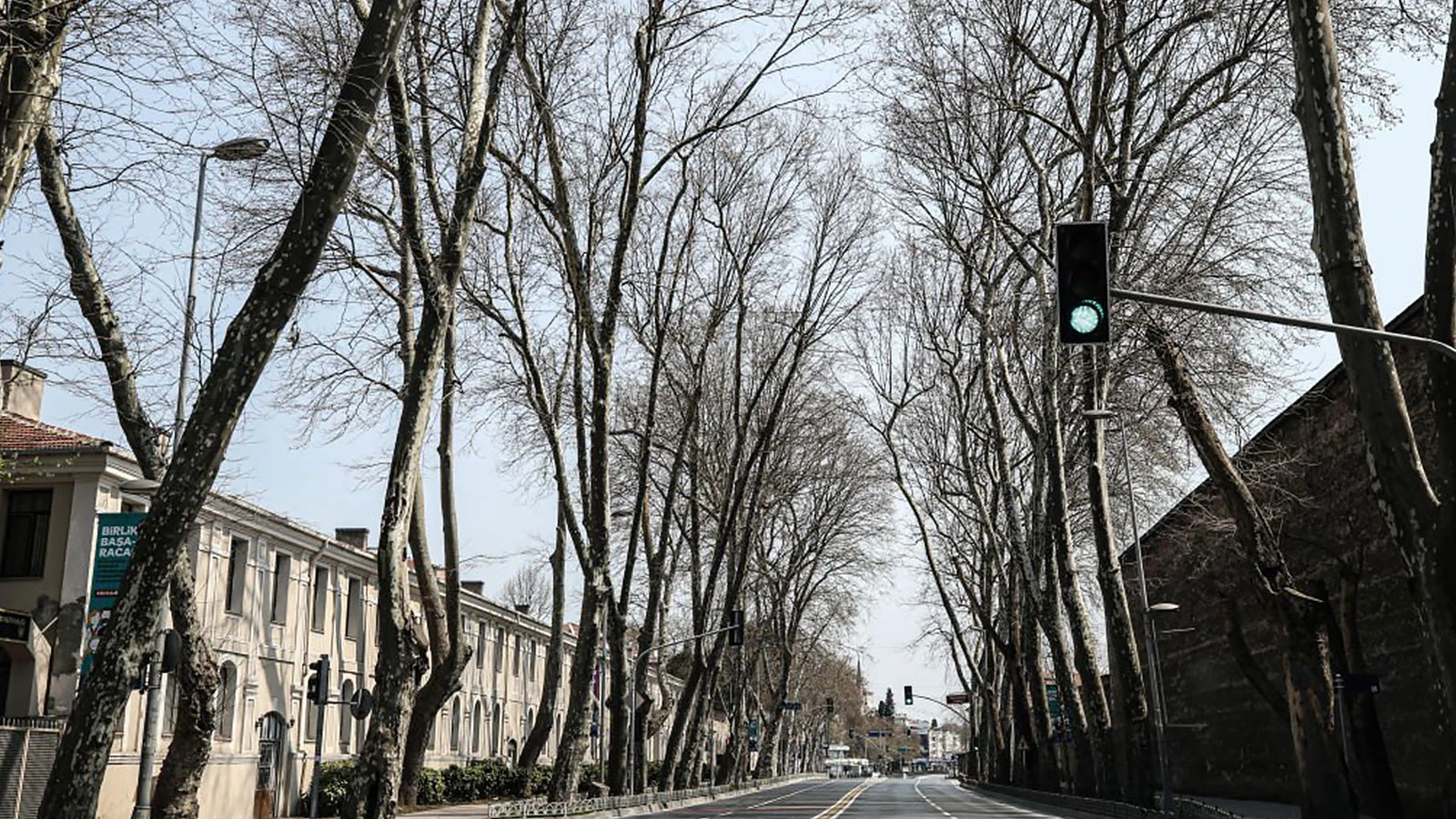
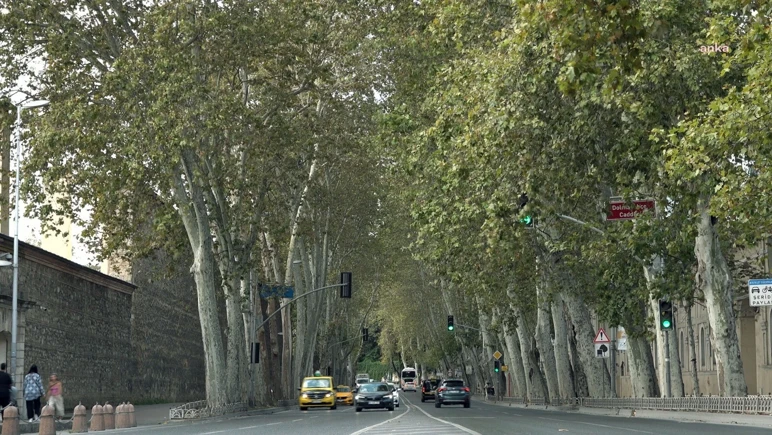
The centuries-old plane trees on Dolmabahçe and Çırağan streets, which have an important place in Istanbul’s memory, are at the center of discussions again. A significant part of the historical trees, some of which are said to be 150 to 200 years old, lined up on the coastal road between Beşiktaş and Ortaköy, are at risk of completely drying out, trunk rotting and falling over. While the images of plane trees losing their leaves, branches being cut off and only their trunks remaining standing caused public reaction, Istanbul Metropolitan Municipality announced that the trees were infected with the deadly fungal disease known as “plane cancer”. According to the municipal administration, it is not possible to revive trees that have completely dried out due to the disease. Although some experts accept that the disease inevitably results in death, they state that regular control and early intervention can extend the life of trees and significantly limit contamination.
14 YEARS HAVE PASSED
While plane tree cancer is caused by the highly contagious fungus called “Ceratocystis platani”, the fungus settles in the tree’s water and nutrient-carrying conduction tissues, clogging the vascular system over time. As the disease progresses, sudden drying on the branches, brown and purple spots under the bark, cracks on the trunk and significant thinning in the crown of the tree appear. The first findings of the disease were detected in the plane trees on Dolmabahçe and Çırağan streets in 2009. The scientific struggle and implementation process started in 2012. An implementation program was prepared in line with the opinions of the municipality, university academics and relevant conservation boards, and the program in question was presented to the public. However, despite the 14-year period, the historical trees continued to rot. The most important part of the discussion was whether the reports prepared in previous years were implemented or not.
WERE NO PRECAUTIONS TAKEN?
Plant Diseases Specialist Dr. Zeki Severoğlu is among the scientists who detected plane tree cancer in trees in the region years ago. Severoğlu stated that a report was requested from him in 2022, and that after making the necessary examinations, treatment, submits maintenance and protection suggestions to the management; However, he claims that the measures that should have been taken after the slaughter were not implemented. According to Severoğlu, after the diseased trees were removed, protective practices were not carried out on the surrounding trees and sufficient precautions were not taken to prevent contamination.
CLAIM OF IMPROPER SUTTING
In its evaluation published in 2022, the Chamber of Forestry Engineers argues that some sections on Çırağan Street were built without sufficient scientific reports, and that the same type of saplings were planted instead of the diseased plane trees without completing the soil sterilization and waiting period. In the chamber’s previous statements, it was claimed that the disease was diagnosed in 2011 and that many trees could survive thanks to the care and treatment methods recommended at that time. The institution also claims that in some technical reports prepared in 2021, the opinions of the experts who first detected the disease were not consulted sufficiently.
“SCIENTIFIC FOLLOW-UP CONTINUED”
IMM, on the other hand, does not accept the accusations of negligence. The municipal administration states that the fight against the disease has not just begun, the first applications were carried out in 2012 during the previous IMM administration and the scientific follow-up process continues uninterrupted. In the statements, it is emphasized that the interventions were made in line with the approval of universities, academicians, the Provincial Directorate of Environment, Urbanization and Climate Change and the boards for the protection of natural assets.
IT IS ALSO CONTAMINATED BY MATERIALS
On the other hand, it is stated that the lethal fungus most often enters the tree through wounds caused by pruning, cutting, excavation or vehicle collision. When the saws, axes and pruning shears used on diseased trees are used on other trees without being adequately disinfected, fungal spores can also be transferred to healthy trees. According to experts, spores can survive on pruning equipment for six months to a year. The causative agent of the disease can survive for up to five years in cut or dried wood tissue. For this reason, only cutting the trunk of the tree is not considered sufficient in the fight against plane tree cancer; The roots must be removed, diseased wood must be removed in a controlled manner, the equipment must be disinfected and the soil must rest for a certain period of time.
WHAT SHOULD BE THE PRECAUTIONS?
The most critical stage in the fight against sycamore cancer is the precautions to be taken before the disease occurs. Experts state that trees should be checked thoroughly every six months at the latest. Saws and scissors used during pruning periods should be disinfected after each tree, wounds on the trunk should be closed with protective paste, random excavations should not be made around the roots, and heavy vehicles should not enter the root area. Since the roots of plane trees are close to the surface and spread over a wide area, cuts made during asphalting, pavement renewal, infrastructure excavation and cable laying works can create important entrance gates for the disease. Heavy traffic, exhaust gases, soil compaction, insufficient irrigation and covering the root area with concrete also reduce the resistance of the tree.
(email protected)
