
As winter approaches in Europe, natural gas stocks and rising prices increase concerns about a new energy crisis. Underground gas storages in the European Union were 72 percent full as of October 1. Although this rate increased to approximately 74.5 percent in the October 17 data, it remained behind the 82.8 percent in the same period last year and the 89.1 percent average of the last five years. The country where the deficit in stocks attracts the most attention is Germany. Natural gas tanks in Europe’s largest economy are at 61 percent occupancy. The target was to reach 80 percent occupancy of warehouses in the country by November 1. The 19-point difference between the target and the current level has brought pre-winter preparations into discussion.
ENERGY BILLS MAY INCREASE BY 20 PERCENT
Gas prices in Europe are rising on stock concerns. The Dutch TTF benchmark futures contract rose to 88.60 euros per megawatt-hour on October 19; The monthly increase exceeded 11 percent. According to Reuters, benchmark gas prices in Europe have increased by more than 150 percent since the beginning of the year. The impact of the rise in the wholesale market may be reflected in households with a delay. Gas tariffs offered to new customers in Germany have increased by 55 percent since the beginning of the year. Consumers are also expected to face increases as existing contracts are renewed. According to Verivox’s assessment, an increase of 10 to 20 percent in household tariffs is possible under current market conditions.
THE CRISIS IN THE STRAIT OF HORmuz IS ALSO HITTING EUROPE
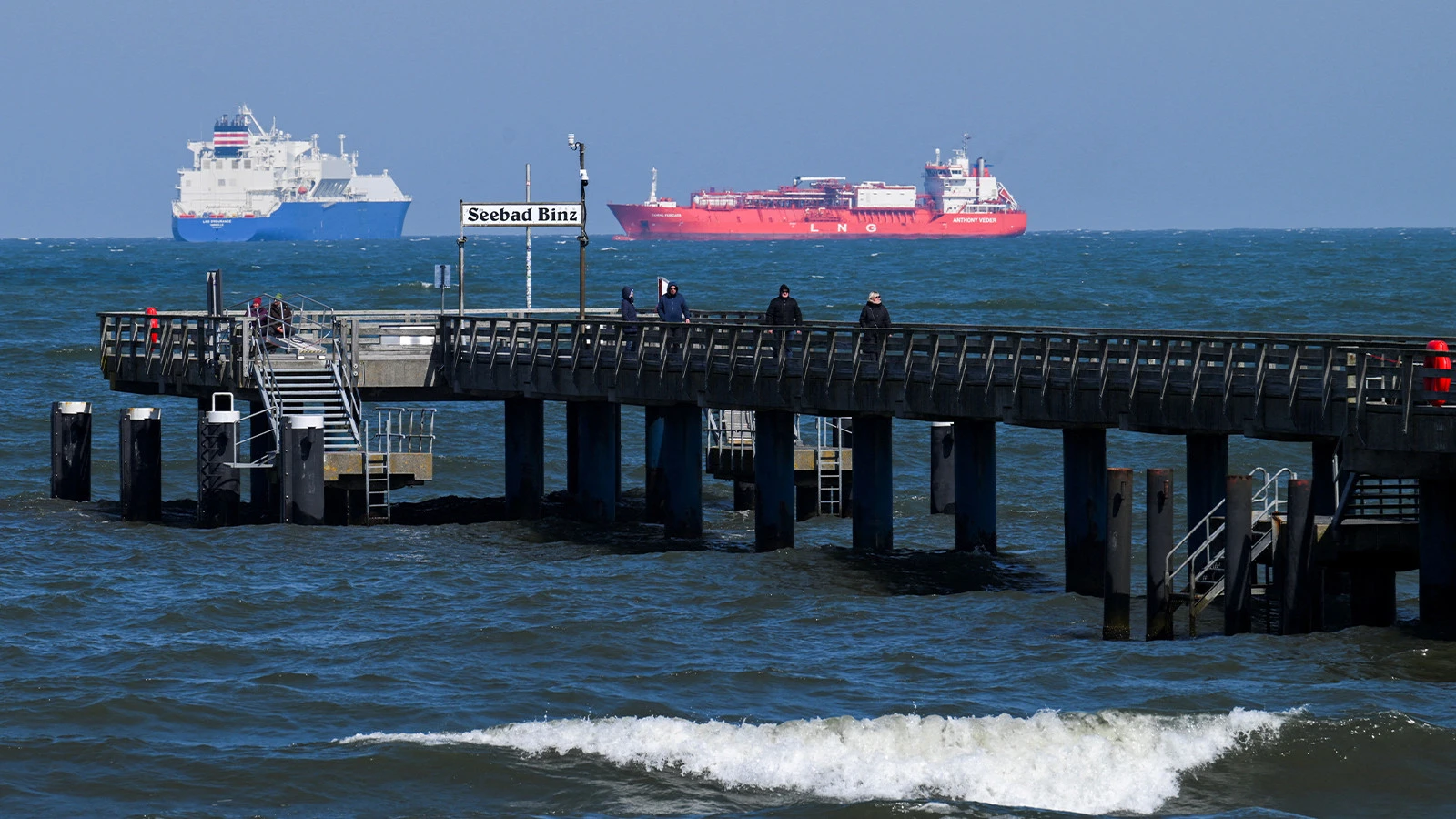
One of the reasons why Europe could not fill its gas tanks adequately throughout the summer is the contraction in the global LNG market. Shipment problems in the Strait of Hormuz following the US and Israel’s war with Iran negatively affected liquefied natural gas exports from Qatar and the United Arab Emirates. Disruptions on the route through which a significant portion of world LNG exports pass have also toughened the supply competition between Europe and Asia.. Gas from Norway and the USA plays an important role in Europe’s supply security. However, the low level of storage increases the risk that a new disruption in pipelines or LNG shipments will have a more severe impact on prices.
STORAGES MAY DECREASE UP TO 10-15 PERCENT IN COLD WINTER
The main concern of experts is that the winter will be colder than expected and gas consumption will increase rapidly.. Speaking to Reuters, ABN Amro energy economist Moutaz Altaghlibi stated that in a harsh winter scenario, the occupancy rate of warehouses in Europe could drop to 10-15 percent. These levels could make it difficult to refill tanks, especially in the summer of 2027.
