
Human rights
Five years of Taliban rule – how are the Afghans doing?
Updated August 14, 2026 – 6:00 a.mReading time: 4 minutes

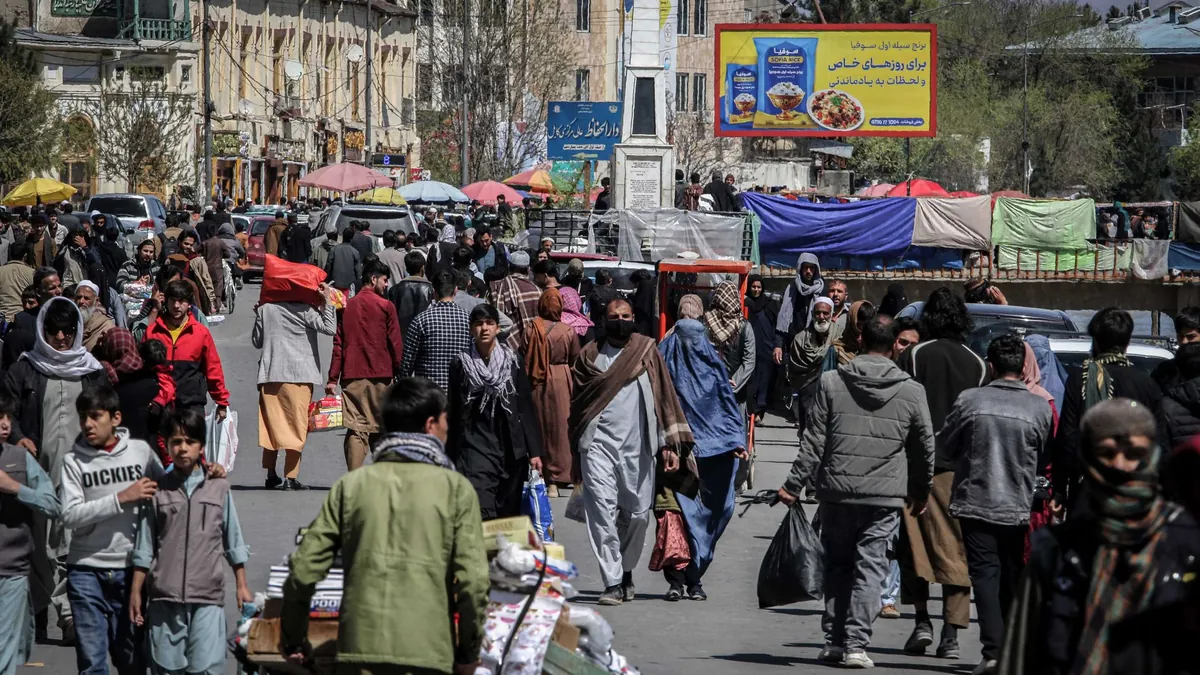
Millions of Afghans are starving, women are disappearing from the public eye – how do people in the country experience the new reality under the Islamist rulers?
Five years ago the Islamists conquered Taliban in a lightning offensive Afghanistan. On August 15, 2021, they took the capital Kabul a. Since then they have been systematically restricting women’s rights and the humanitarian situation in the country has deteriorated massively.
How are people?
Although the security situation in the country has improved significantly, there are setbacks in other areas such as nutrition and women’s social participation. “Although Afghanistan is now quite safe from explosions and war, it is moving in a dark direction in terms of human development,” says entrepreneur Fosan from Kabul to the German Press Agency.
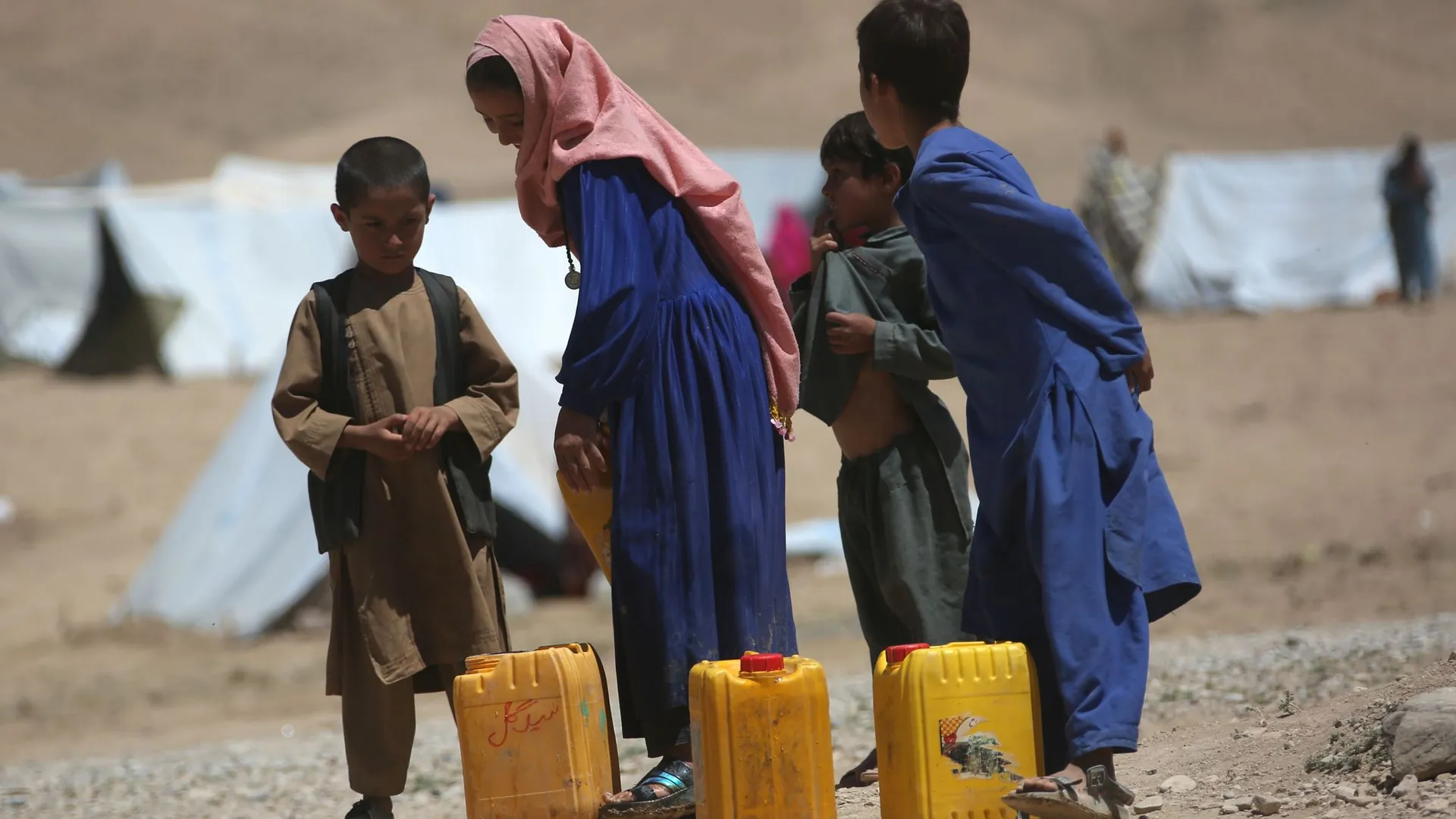
Afghanistan, with its more than 48 million inhabitants, is currently experiencing a serious humanitarian crisis. The United Nations World Food Program recently warned that malnutrition has reached unprecedented levels. 47 percent of minors were malnourished in the first quarter of this year.
“Most of the time there is conflict, a famine or a natural disaster in a country. In Afghanistan there is all of this at the same time,” says Thamindri de Silva to the dpa. She heads the office of the aid organization World Vision International in the western Afghan city of Herat and has been traveling to crisis areas for over two decades. “The need here is so chronic and great that it can hardly be compared to situations I have experienced before.” Nevertheless, the international aid programs for the country are considered massively underfunded – last year only 42 percent of the necessary funds were actually made available, reports the Norwegian Refugee Council (NRC).
What are the biggest challenges for Afghanistan?
Afghanistan is suffering greatly from the consequences of climate change: dozens of people have already died in floods twice this year, while years of drought have resulted in poor harvests. Effective protection and precautionary measures fail due to a lack of resources and a lack of political planning.
The situation is made worse by massive migration: According to the UN, almost 5.9 million people have returned to Afghanistan since September 2023 – a population increase of ten to twelve percent. Especially the neighboring countries Pakistan and Iran are tightening their regulations for Afghans. Many refugees travel back to their home country to avoid deportation. According to the UN refugee agency, more than 90 percent of returnees live on less than five US dollars during the day.
The Taliban have also severely restricted freedom of expression, and the media can hardly report freely anymore. After three years of hard physical work, the journalist Najib from Kabul found a job again in a media company. “But due to the difficult conditions and the atmosphere of fear and uncertainty, I only lasted a few days,” he told dpa.
