
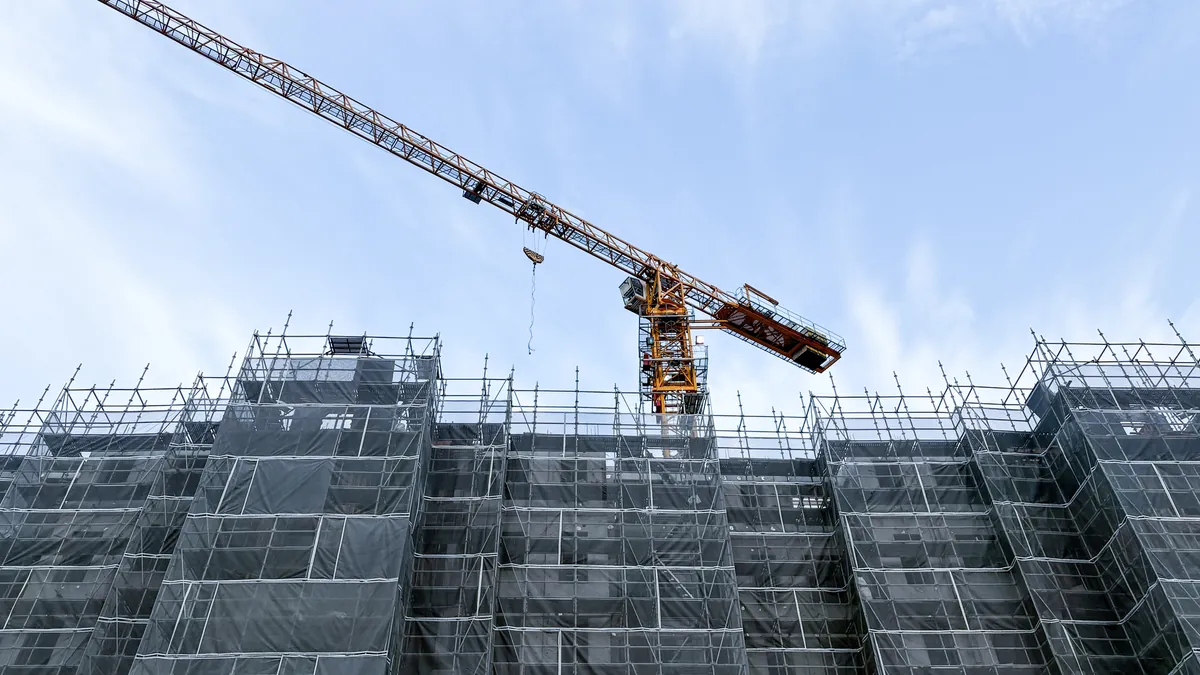
Building permits at record levels
Why hardly any new apartments are being built
November 4, 2026 – 2:39 p.mReading time: 3 minutes
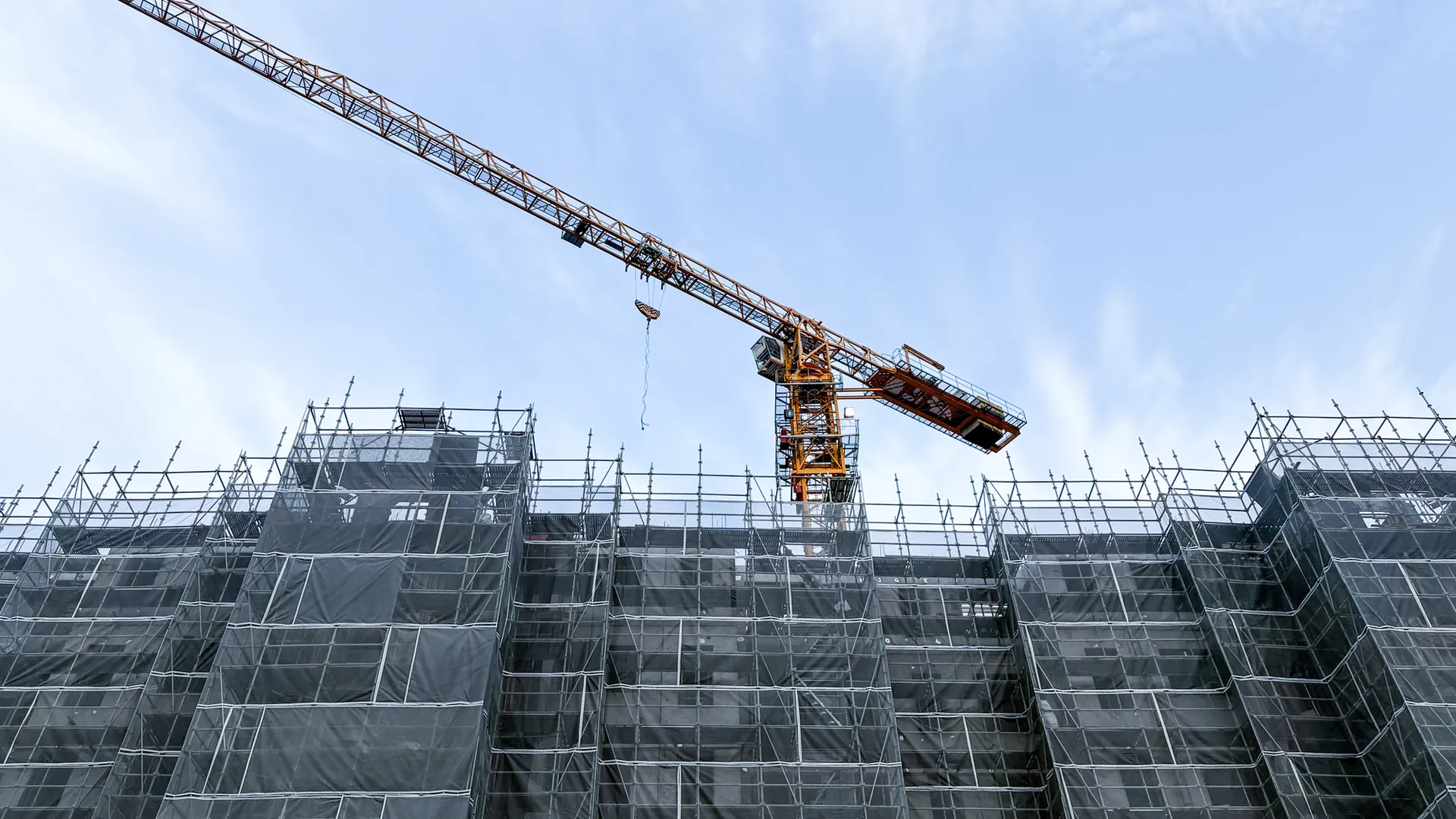

Building permits are increasing, the federal government is celebrating its construction turbo. But an industry expert warns: The numbers don’t tell the whole story.
There is a lack of living space in Germany. While even high earners can hardly afford houses in sought-after locations, rents in metropolitan areas continue to rise sharply, as the Kiel Institute for the World Economy (IfW) recently reported.
But approvals on paper do not turn into living space at the same pace, criticizes Klaus-Peter Stöppler, management consultant for the construction and real estate industry. He speaks of false optimism: “As long as the time from notification to completion is more than two years, the housing market will remain tight, even if the approval statistics improve.”
The construction turbo should bring speed
The so-called construction turbo is a new special legal regulation in the German building code (BauGB). The legislature introduced it in autumn 2025 as a “law to accelerate housing construction and to secure living space”. It is intended to give a boost to sluggish housing construction with simplified approval procedures.
- Up to 4.9 percent interest: Interest rate shock paralyzes the real estate market
- Fixed interest rates expire: Rising building interest rates make follow-up financing more expensive
Authorities and municipalities should be able to decide more quickly about new buildings, but also about adding floors and densifying building complexes. You can now deviate from development plans more easily. Municipalities often develop these over years in order to regulate the structural use of land within a certain area – from the type and extent of development to the construction method to traffic and green areas.
The crisis is far from over
According to Klaus-Peter Stöppler, the better mood in housing construction is, above all, an advance on the future. There is little evidence of this in the companies’ order books in the fall: According to the Ifo Institute, over 40 percent of companies continue to report a lack of orders, and around 13 percent report cancellations.
Political unrest is slowing down the industry
According to Stöppler, the decisive factor is how quickly approved projects become orders, capacities and finished apartments. The expert calls for more speed in implementation. According to the decision, the main brakes are problems with financing, increased building interest and construction costs as well as expiring EH-55 subsidies – funds from special state funding for the new construction and initial purchase of energy-efficient apartments and houses.
