
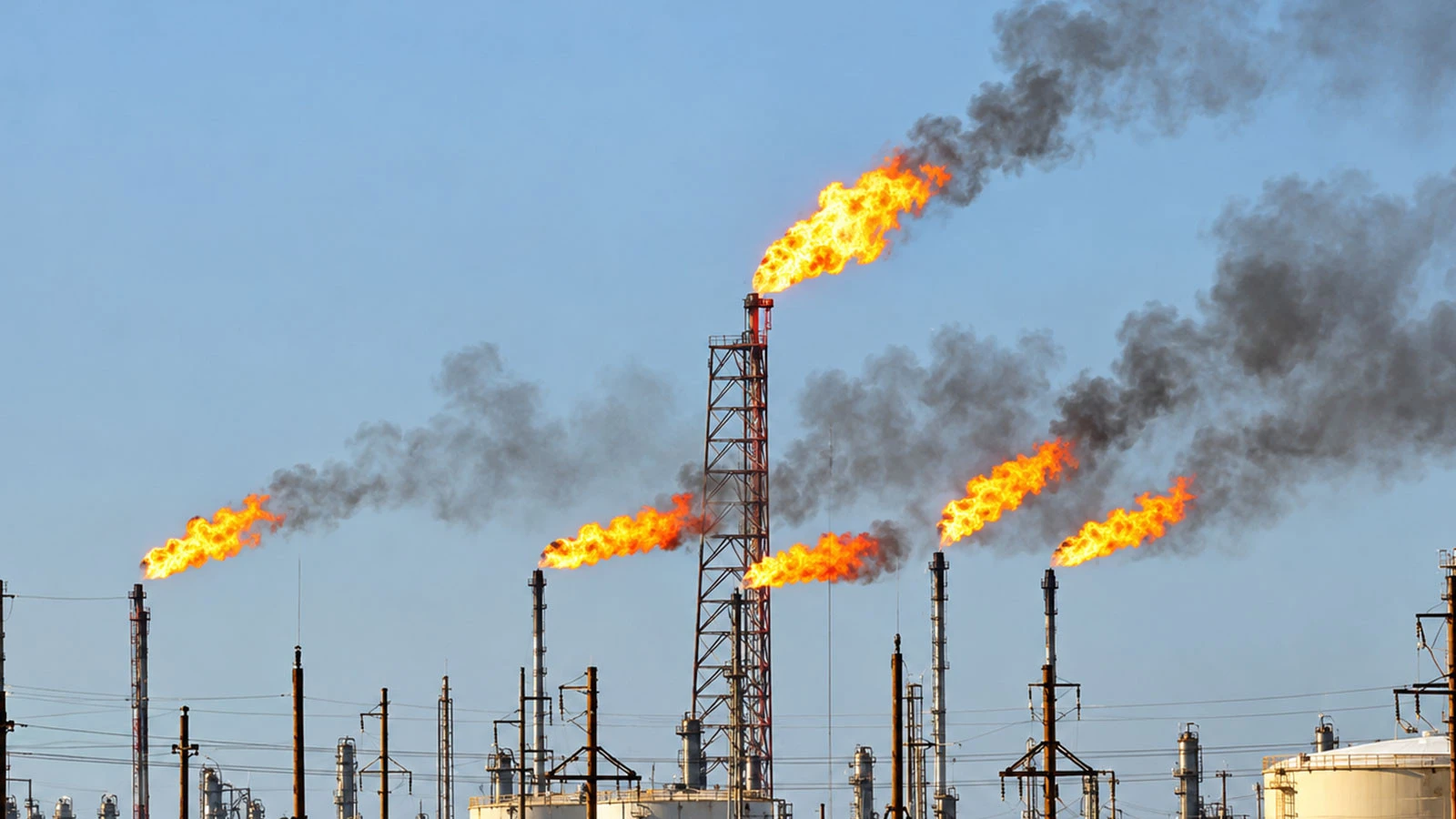
Europe enters the winter of 2026-2027 with a fragile picture in terms of energy supply and prices. While cold weather coming from the north increased electricity consumption, production fluctuations in wind energy brought the need for natural gas and coal power plants back to the agenda. Developments in Germany, in particular, revealed that despite the energy transition, dependence on fossil fuels continues during periods of high demand. According to ENTSO-E data, electricity demand in Germany increased to approximately 60 gigawatts, reaching its highest level since March. On the same day, the production of natural gas power plants reached 14 gigawatts, while coal and natural gas together met 42 percent of the electricity demand.
CONSUMPTION IS NEARING ITS PEAK
The fact that electricity demand in Germany, Europe’s largest economy, approached 60 gigawatts was one of the most tangible effects of cold weather on the energy system. If the demand lasts 24 hours at this level, it means 1.44 terawatt hours of electricity is consumed daily. When the cold weather combined with the more intensive operation of heating systems in residences and workplaces and the continuing energy needs of industrial facilities, the load on the network increased. The fact that solar energy was turned off and consumption remained high, especially in the evening hours, pushed electricity prices up.
ELECTRICITY PRICE EXCEEDED 246 EURO
While electricity production from natural gas in Germany was above 10 gigawatts, it increased to 14 gigawatts in the evening. These figures were the highest level seen since February. According to EPEX Spot data The wholesale electricity price between 19.00 and 20.00 in Germany reached 246.29 euros per megawatt-hour. This figure corresponds to approximately 24.6 euro cents per kilowatt-hour.
EUROPE ENTERS WITH LOW STOCK
According to Gas Infrastructure Europe data, the occupancy rate of natural gas tanks across the European Union is at 74.6 percent. There are approximately 845 terawatt hours of natural gas in storage. However, this rate is 14.7 points below the five-year average of the same period. The fact that warehouses were 82.8 percent full on the same date last year shows that Europe entered this winter with lower reserves. The most striking picture is experienced in Germany. The country has 151 terawatt-hours of natural gas in its warehouses with a capacity of approximately 247 terawatt-hours. While the occupancy rate remained at 61.1 percent, the five-year average of the same date was 88.1 percent.
90 EURO ALARM IN NATURAL GAS
In Europe’s reference market, Netherlands-based TTF, natural gas prices approached the level of 90 euros per megawatt-hour in October. Cold weather, problems in LNG shipment, supply disruptions from Norway and low stocks were effective in the rapid rise of the price, which was 69.4 euros at the end of September. While the increase in natural gas prices also increases electricity production costs, it creates a new cost pressure especially for the chemical, iron and steel, glass, ceramics and fertilizer sectors.
ENGLAND IS PREPARING FOR WINTER
In the UK, energy system operators reported that natural gas and electricity supply could generally meet demand throughout the winter. However, a warning was made that the supply-demand balance may be squeezed, especially in December and January. It is estimated that the highest daily natural gas demand during the winter months may reach 493 million cubic meters, while the current supply capacity is 592 million cubic meters per day.. A spare capacity of 5.9 gigawatts is anticipated in the electricity system when demand peaks.
THERE IS A RISK FOR Türkiye TOO
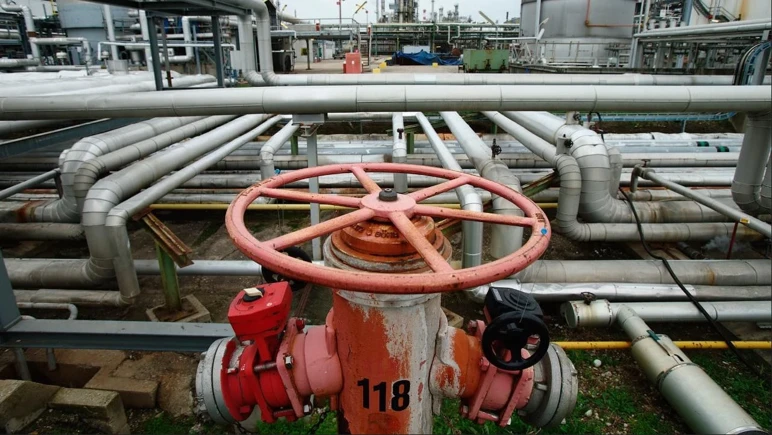
The rise in energy prices in Europe is also important for Türkiye. It is stated that the simultaneous increase in LNG demand in Europe and Asia during the winter months will strengthen competition in international markets and make Türkiye’s spot natural gas purchases more costly. While rising energy costs in the European industry may provide a competitive advantage to some Turkish exporters, the loss of production and demand in the continental economy may negatively affect Türkiye’s exports. Evaluations of experts and energy market organizations indicate that price volatility may increase, especially in long-term cold weather conditions.
