
Liberal democracy, which declared victory after the Cold War, has been facing a deepening crisis in recent years. Deindustrialization, the decline of unions, the relative loss of wages for workers, the rise of technology companies, and economic inequalities are eroding the social base of the political system. The solution to this situation is not in breaking away from liberalism; It is argued that good jobs, strong public services, redistribution and a new liberal model that will increase the political power of the working classes should be sought. However, according to realist economists who analyze the neoliberal economy, the main cause of global crises is this order itself.
CRISIS OR RESULT OF THE SYSTEM?
While it is argued that liberal democracy has moved away from the promise of common welfare and that this promise can be reestablished, the socialist approach Inequality is not seen as an aberration of the liberal order that needs to be corrected, but as the product of the capitalist relationship based on private ownership of the means of production and the antagonism between capital and labor. it handles. According to many critical economists, the main question of the debate is whether inequality can be permanently eliminated without changing the economic order on which liberal democracy is based.
CLASS STRUCTURE OF NEOLIBERALISM
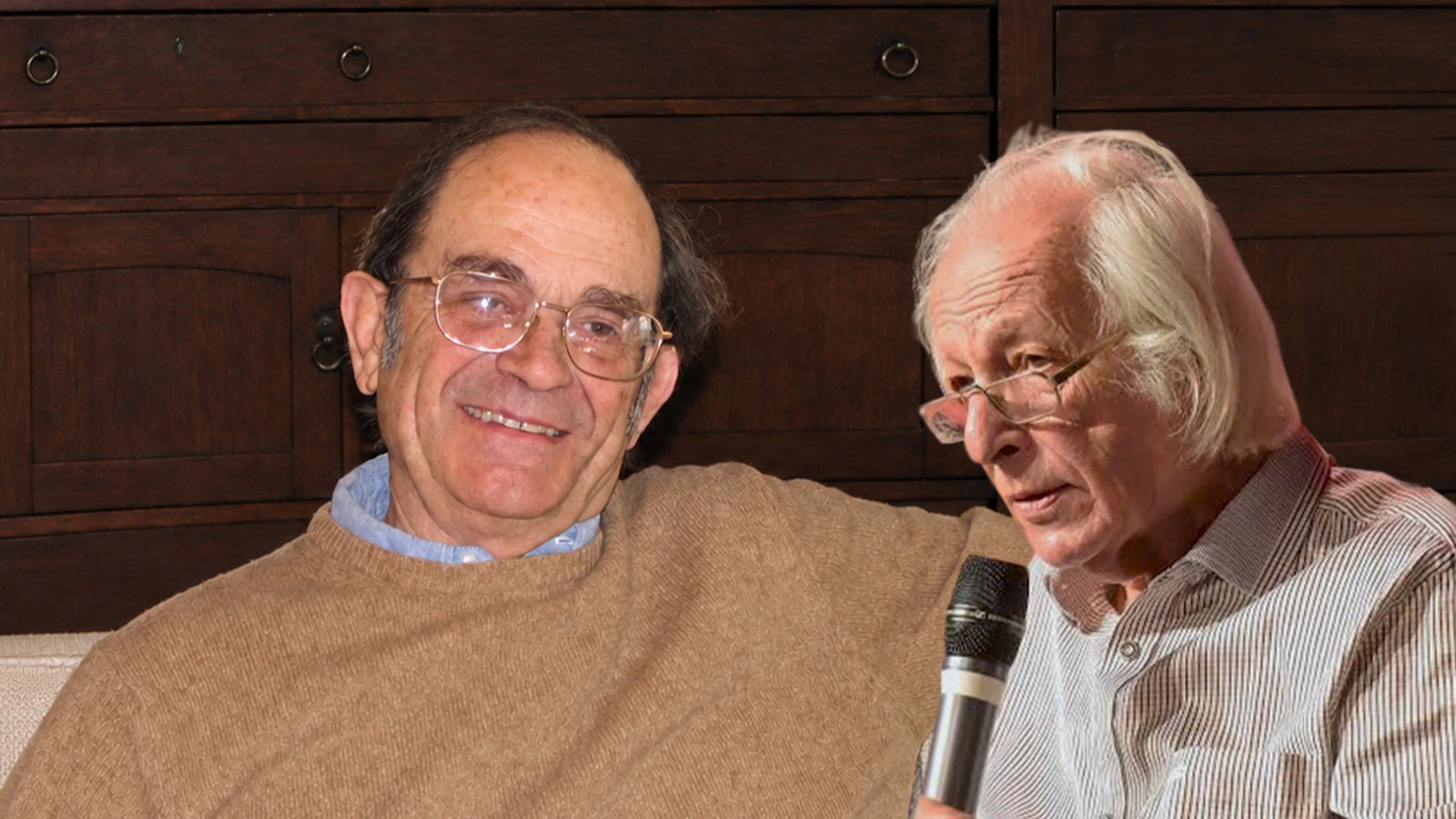
Socialist economist and geographer David Harvey did not consider the rise of neoliberalism merely as the sum of wrong economic policies. In his 2007 study Neoliberalism as Creative Destruction, he defined neoliberal transformation as a class project that reestablished the economic power of the upper classes, which was limited in the post-war social democratic period. According to Harvey, while the neoliberal period showed limited success in creating economic growth, It was extremely effective in transferring wealth from lower classes to upper classes and from poor countries to rich countries. Privatizations, financialization and the liquidation of social state institutions have become the main tools of this redistribution.
ESCAPE FROM PRODUCTION TO FINANCE
Italian economist Giovanni Arrighi, on the other hand, discussed the debate within a longer historical period. One of the theses at the center of The Long Twentieth Century was that periods of capitalist hegemony turned towards the financialization phase after expansion based on production and trade. Arrighi also evaluated the financialization in the US-based system since the 1970s in this process. According to Arrighi’s analysis, financial expansion does not eliminate the problems of the current order. As capital increasingly turns from production to financial gains, the transfer of income and assets from debtors to capital owners is accelerating. Arrighi also emphasized that financial capitalism, including the Reagan and Clinton eras, produced massive wealth transfers and that this also created a crisis of legitimacy.
PROSPERITY OF THE CENTER, INEQUALITY OF THE PERIOD
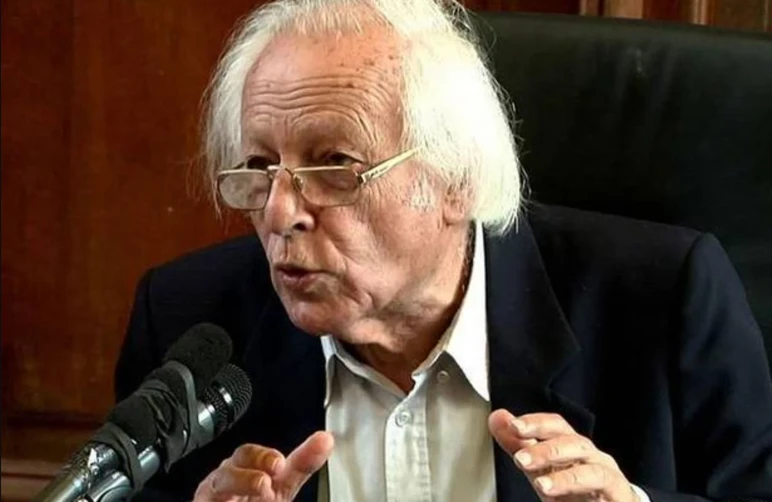
Socialist economist and political scientist of Egyptian origin Samir Amin, on the other hand, discussed neoliberal globalization as a continuation of the unequal structure between the center and periphery countries. In Amin’s approach, capitalism not only produces class inequality within countries; It also organized the world economy hierarchically between imperialist centers and dependent circles. Therefore, Amin did not seek the solution in transforming existing globalization into a more social form. In his 2017 study, he proposed a new order based on food sovereignty, independent capacity in industry, people’s democracy and cooperation of independent states as an alternative. Amin also considered this as a prerequisite for moving beyond the current international financial system.
(email protected)
