
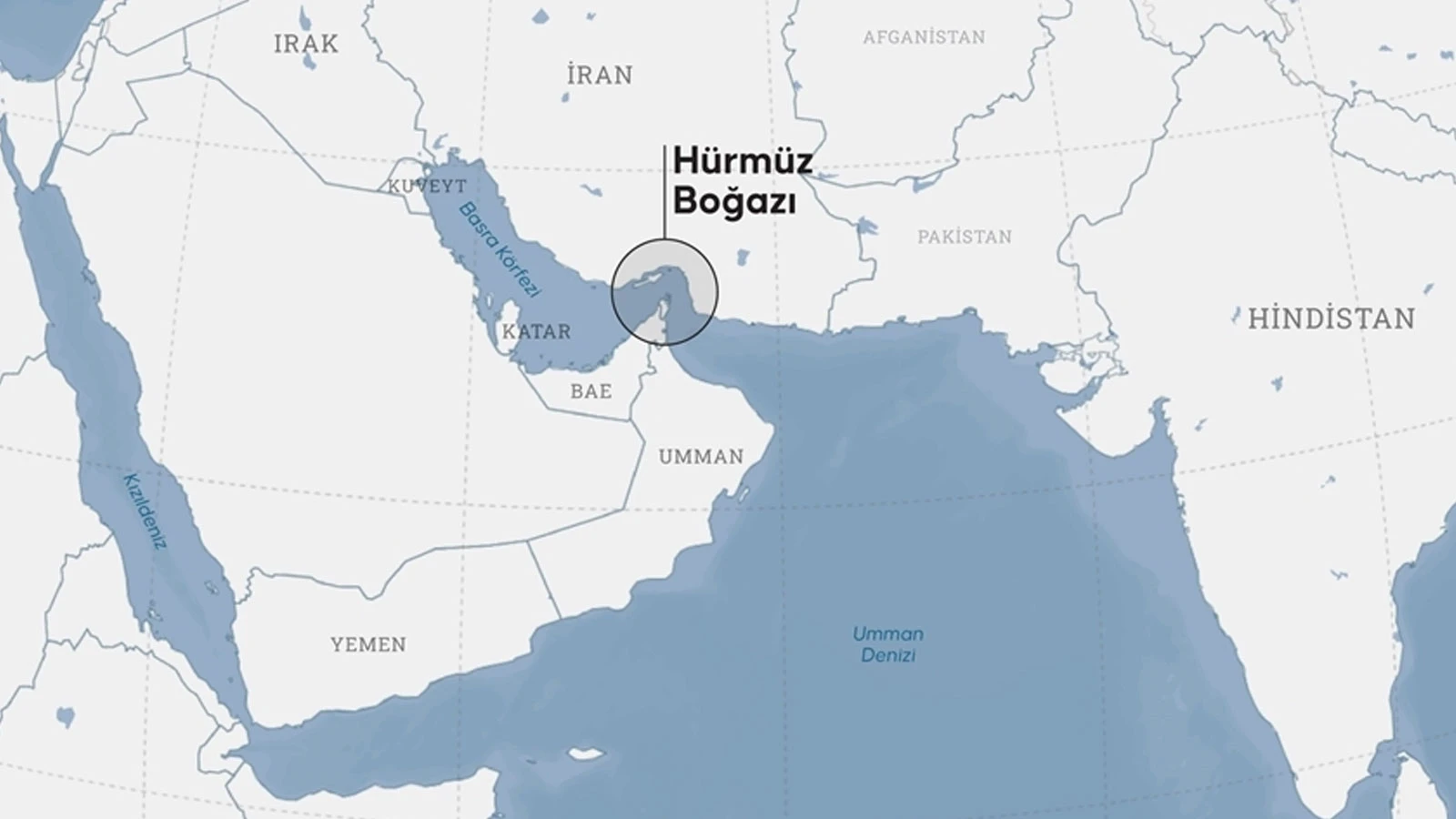
While negotiations continue after the agreement reached between the USA and Iran, commercial ship traffic in the Strait of Hormuz has increased by more than 50 percent in the last week compared to the previous week.
The negotiations that continued after the memorandum of understanding reached between the USA and Iran on June 14 and entered into force with the signature of the parties on June 18, remain fragile. The agreement in question also includes the condition of opening the Strait of Hormuz to commercial ship traffic.
A significant increase was seen in the Strait of Hormuz, where an average of 130 commercial ships passed daily before the war, but where traffic came to a halt after February 28, with the US-Iran agreement. However, passages through the Bosphorus are still 70 percent below the pre-war level.
Industry representatives continue to remain cautious in Strait of Hormuz passages due to the uncertainty and the fragile negotiations between the USA and Iran.
According to information compiled from data analytics company Kpler, 223 commercial ships passed through the Strait of Hormuz in the week of June 15-21. Thus, an average of 32 commercial ship passages per day were recorded in the week in question. This week, the lowest daily traffic was seen on June 15, with 18 ships, and the highest traffic was seen on June 20, with 50 ships.
During the week of June 22-28, 343 commercial ship passages were recorded in the Strait of Hormuz. While the average daily commercial ship passage in the last week was 49, the lowest daily traffic was on June 28, when 24 commercial ships passed, and the highest traffic was on June 24, with 76 ships.
After the start of the US/Israel-Iran War on February 28, the busiest day of passage in the Strait of Hormuz was June 24.
Thus, traffic on the Bosphorus increased by approximately 54 percent in the last week compared to the previous week. Data reveals that 40 ships passed through the Bosphorus yesterday and at least 6 million barrels of crude oil were transported.
Among the commercial ships passing through the Bosphorus, crude oil and petroleum product tankers mainly carry oil from Iran, Saudi Arabia, the United Arab Emirates, Iraq and Kuwait.
While the majority of ships passing through the Strait of Hormuz continue to use the “Iran route” determined in Iranian territorial waters, most of the passages are shadow fleet and ships under sanctions.
