
World Climate Conference
Anger and frustration in Antalya: Climate summit fails to achieve agreement
Updated 11/22/2026 – 2:25 p.mReading time: 5 minutes

For two weeks, thousands of diplomats from almost 200 countries debated ways to curb global warming. Nevertheless, the summit ends without an adequate response to the escalating crisis.
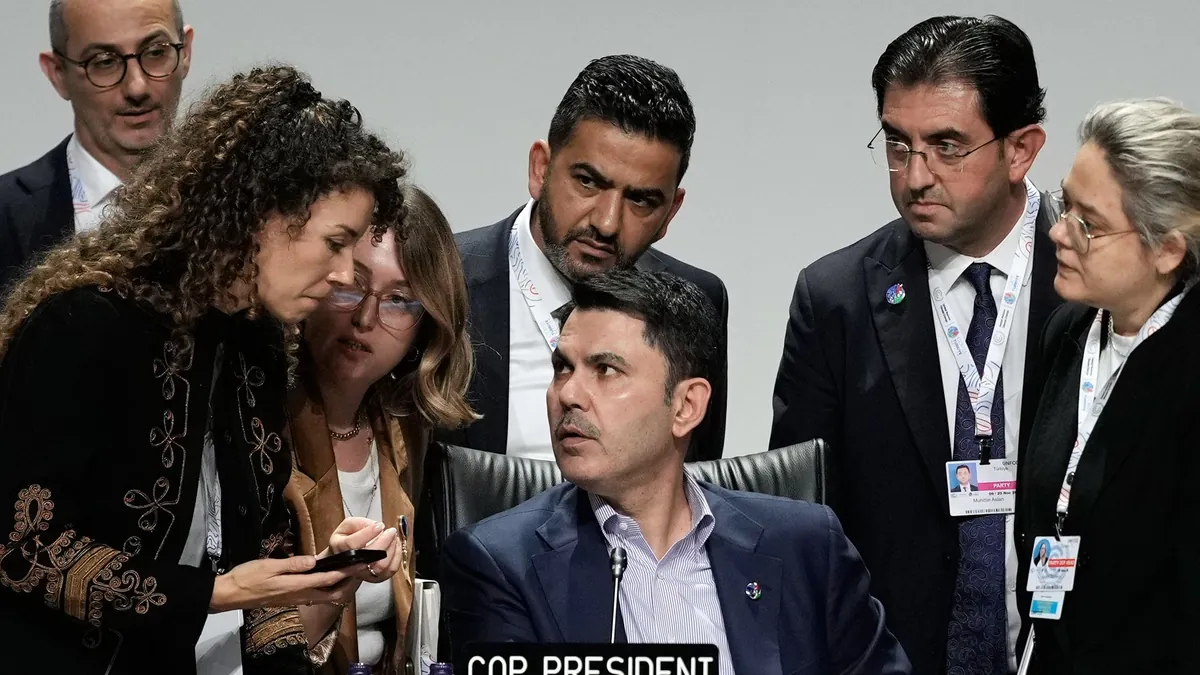
In the end there was anger, frustration and sharp accusations: Despite two weeks of negotiations, the longest world climate conference of all time took place in the Türkiye cannot agree on a final declaration. Several states rejected the “Antalya Pact” presented by the Turkish-Australian conference leadership in the plenary session – including the EU.
“The EU resolutely rejects this text,” said Irish Climate Minister Darragh O’Brien on behalf of the association of states. One will not accept a final declaration that does not even mention fossil fuels. Coal, oil and gas are the main drivers of the climate crisis. O’Brien said that now that the world urgently needs more climate action, the draft text doesn’t even come close to an adequate response.
The Turkish conference president Murat Kurum, who had recently seen an agreement within reach, had to admit that the text did not receive the necessary unanimous support.
Defensive Battles Conference
The conference of almost 200 countries was characterized by attempts by powerful oil states such as Saudi Arabia and Russiato reverse past decisions. In late-night negotiations, the EU and a number of allied countries, including small island states, African countries and less developed states, opposed it shortly before the end.
The group even represented a clear majority with more than 130 countries. But at climate summits, all decisions must be made by consensus, which gives individual states blocking power.
Minister Schneider called the draft “unsuitable for approval”
Before the final meeting, Environment Minister Carsten Schneider also rejected the draft text as “not capable of approval”. The ten-page paper does not provide a sufficient answer to the threat of the climate crisis, but actually goes a step backwards, said the SPD politician. Schneider directed accusations against oil states that were blocking progress.
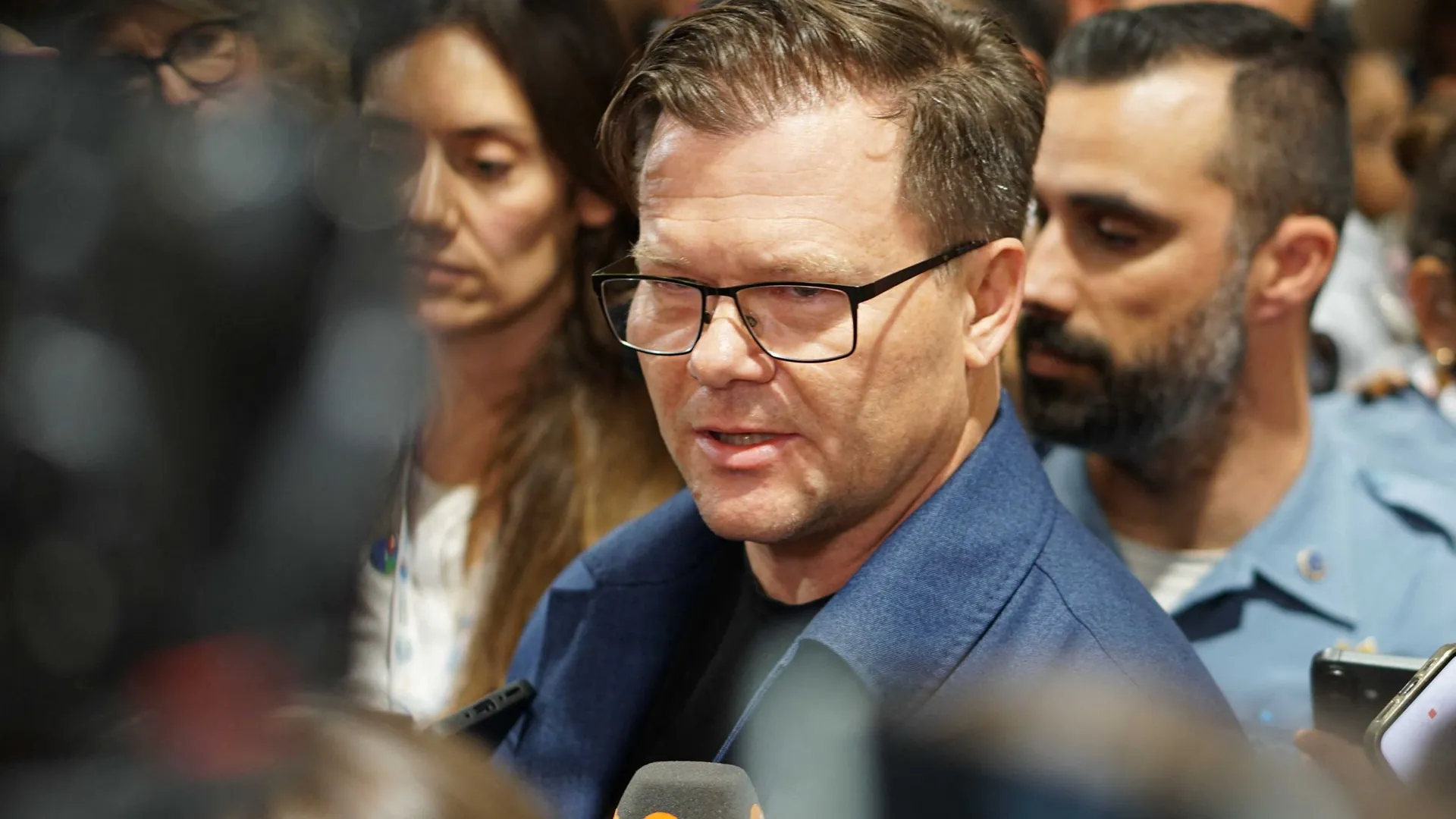
The overwhelming majority of countries are committed to climate protection, said Schneider. But some still make “a lot of money from oil and gas” and are not prepared to reduce that.
The chief diplomat of the Marshall Islands, which is threatened with sinking due to rising ocean levels, also rejected the final declaration. The text is the “worst possible answer” to the climate crisis and endangers the security and future of their homeland.
However, there were also countries that advocated the adoption of the final declaration. A Saudi official said Arab countries were responsible for only a very small portion of greenhouse gases emitted in the past. Background: The countries’ huge oil exports do not count towards their national climate balance.
He also advocated CO2 capture and storage (CCS) in the fight against the Climate change strong. Also China, Pakistan and African states regretted the failure.
EU Climate Commissioner Wopke Hoekstra blamed the oil states’ strong focus on expensive storage technologies for the failure: CCS had fallen out of the sky during the negotiations “as if out of the blue as a new solution to all problems” – “as if we could simply forget about fossil fuels and use CCS to maneuver our way out of the problem.” This was not acceptable, which is why they had to say no “with a heavy heart.”
