
Special missiles on board
Putin puts new nuclear submarine into service
11/28/2026 – 1:33 a.mReading time: 3 minutes
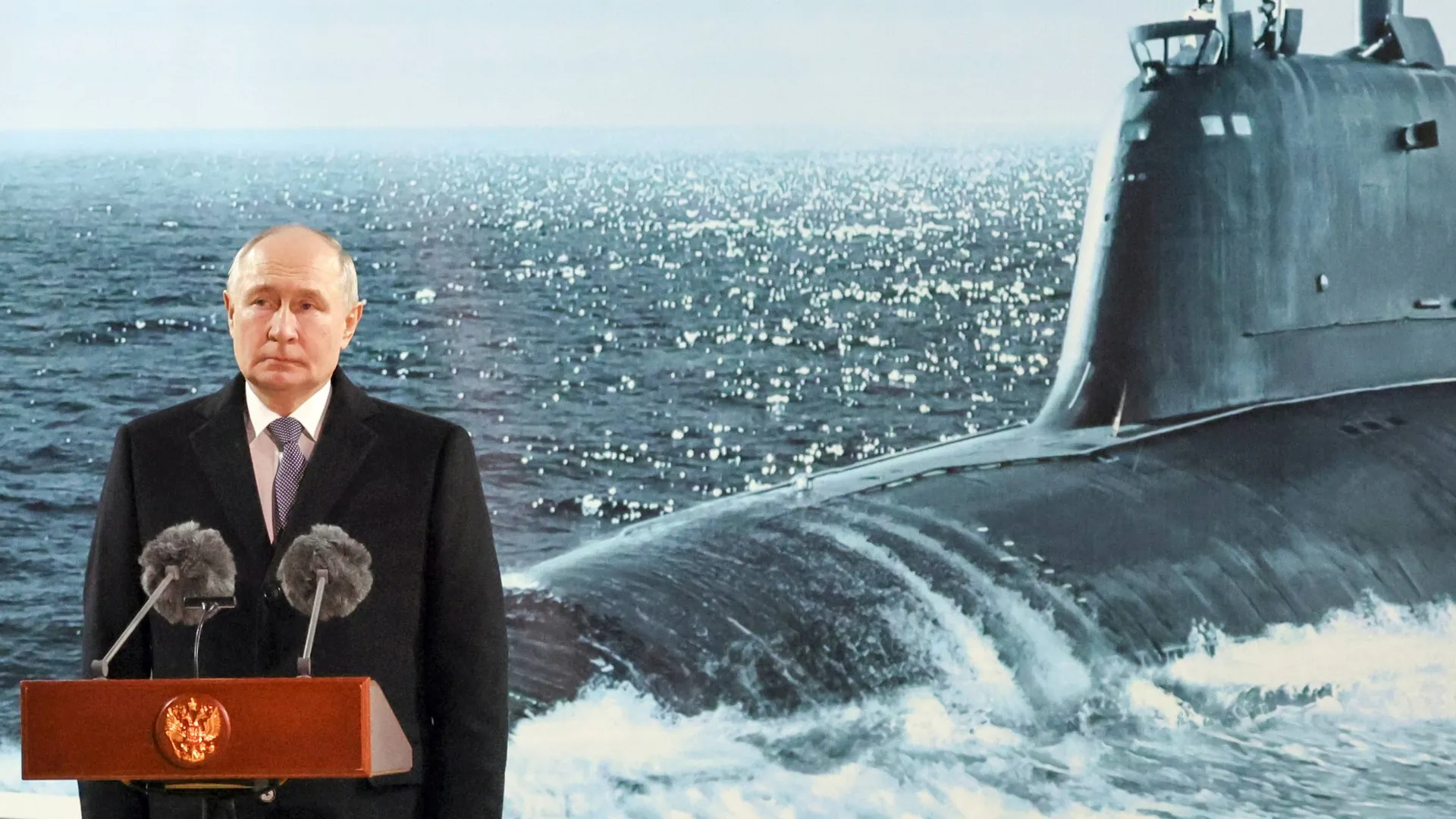

Russia is upgrading its submarines. New standard equipment indicates a change in strategy.
In Severodvinsk, northern Russia, the Russian President Vladimir Putin The new nuclear-powered submarine “Perm” officially entered service. At the ceremonial hoisting of the naval flag, the Kremlin chief emphasized the military significance of the project: “Russia is one of the few countries in the world capable of building such powerful nuclear submarines – weapons of global scope and importance.”
The “Perm” is the first submarine of the Yasen-M class to be equipped with Zirkon hypersonic missiles as standard. These missiles fly at hypersonic speeds – more than five times the speed of sound – and are considered difficult to intercept.” In the Russian war of aggression against the Ukraine – which has now been going on for almost five years – Zircon rockets have already been tested in combat for the first time.
- War against Ukraine: All current news
- Moscow’s winter worries: Putin’s war could start a “snowball rolling.”
Pacific Fleet should be strengthened
As part of the Russian Pacific Fleet, according to Russian information, the “Perm” will in future be used to protect the Far East and the Russian part of the Arctic. The submarine was built at the Sevmash naval shipyard – a facility near Arkhangelsk on the White Sea, around 1,000 kilometers north of Moscow.
Putin announced at the ceremony that another five missile submarines will be handed over to the fleet by 2030. According to earlier reports, the last remaining Soviet-made nuclear submarines were also said to have been replaced at this point.
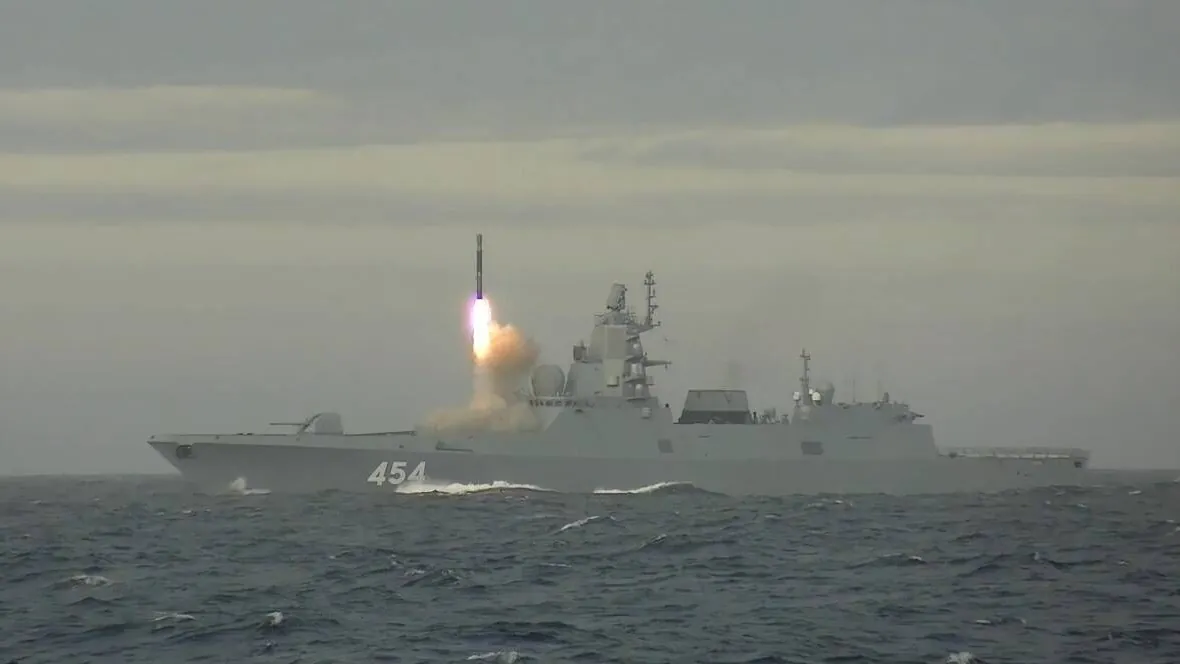
Submarines take aim at new targets
The new submarines represent a change. According to the British Royal United Services Institute (RUSI), one of the oldest security and defense research institutes in the world, the “Perm” submarines are fundamentally changing the role of the Russian submarine fleet. Classic nuclear-powered hunting submarines such as the “Akula” class are designed primarily to detect and combat enemy ships and submarines. Russia is now increasingly relying on boats that are more comparable to nuclear-powered cruise missile submarines (SSGN), i.e. boats that – unlike classic fighter submarines – are primarily designed to attack targets on land from a long distance.
According to RUSI’s assessment, this suggests that the mission of Russian submarines in future conflicts is shifting. Long-range attacks on targets on the ground are therefore given priority over the task of interrupting enemy supply and trade routes at sea, which was previously considered the main purpose.
For the NATO According to RUSI, this has consequences for submarine defense in the Far North. The alliance traditionally relies on a barrier line in the strait between Greenland, Iceland and Great Britainknown as the GIUK gap. This line is intended to prevent Russian submarines from entering the North Atlantic unnoticed and threatening NATO ships or supply routes there.” According to the analysts, this strategy could have little effect. Russian submarines may not even have to cross the line to reach their targets, as they could already fire their missiles from more northerly waters.
