
Struggle for a trillion-dollar budget
New EU digital tax is intended to defuse budget disputes
Updated 11/21/2026 – 1:55 p.mReading time: 3 minutes

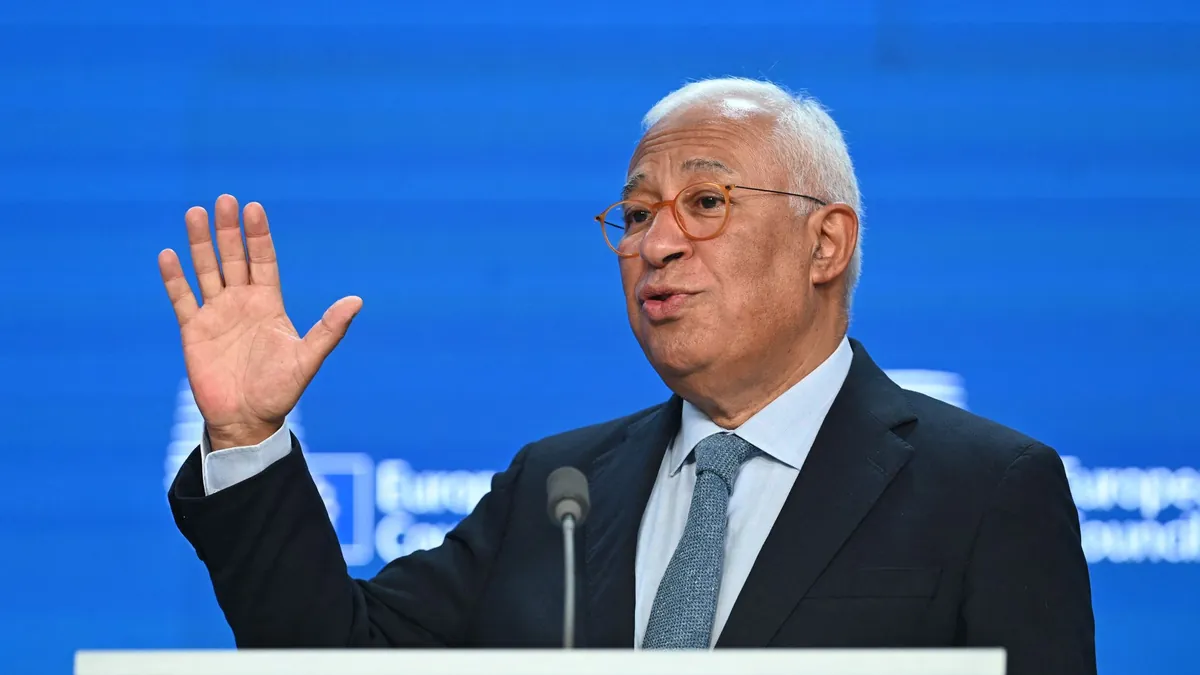
EU Council President Costa wants a new EU digital tax to contribute to financing the EU in the future. The proposal is part of a new compromise proposal.
In the dispute over the next long-term EU budget, Council President António Costa has proposed the introduction of a new EU-wide digital tax. Specifically, according to the idea, large companies would in future have to pay three percent on sales from online advertising, platform services and the monetization of user data. Companies with more than 50 million euros in digital sales in the EU and more than 750 million euros in global annual sales should be included.
Costa is also bringing a levy on crypto assets into play. Theoretically, it could be levied on trading in Bitcoins, profits generated from them or sales of crypto service providers.
Other new financial sources should include income from emissions trading, the CBAM CO2 border adjustment, a tax on tobacco, on uncollected electronic waste and from the allocation of mobile phone frequencies. In total, they are expected to bring a little more than 60 billion euros per year into the EU budget, of which the digital tax amounts to just over five billion euros annually.
The new sources of income are part of a compromise proposal with which Costa wants to pave the way for an agreement on the next long-term EU budget. The in Brussels The concept presented basically envisages budgeting around 204 billion euros less for the years from 2028 to 2034 than planned by the European Commission.
Costa is complying with demands from large member states
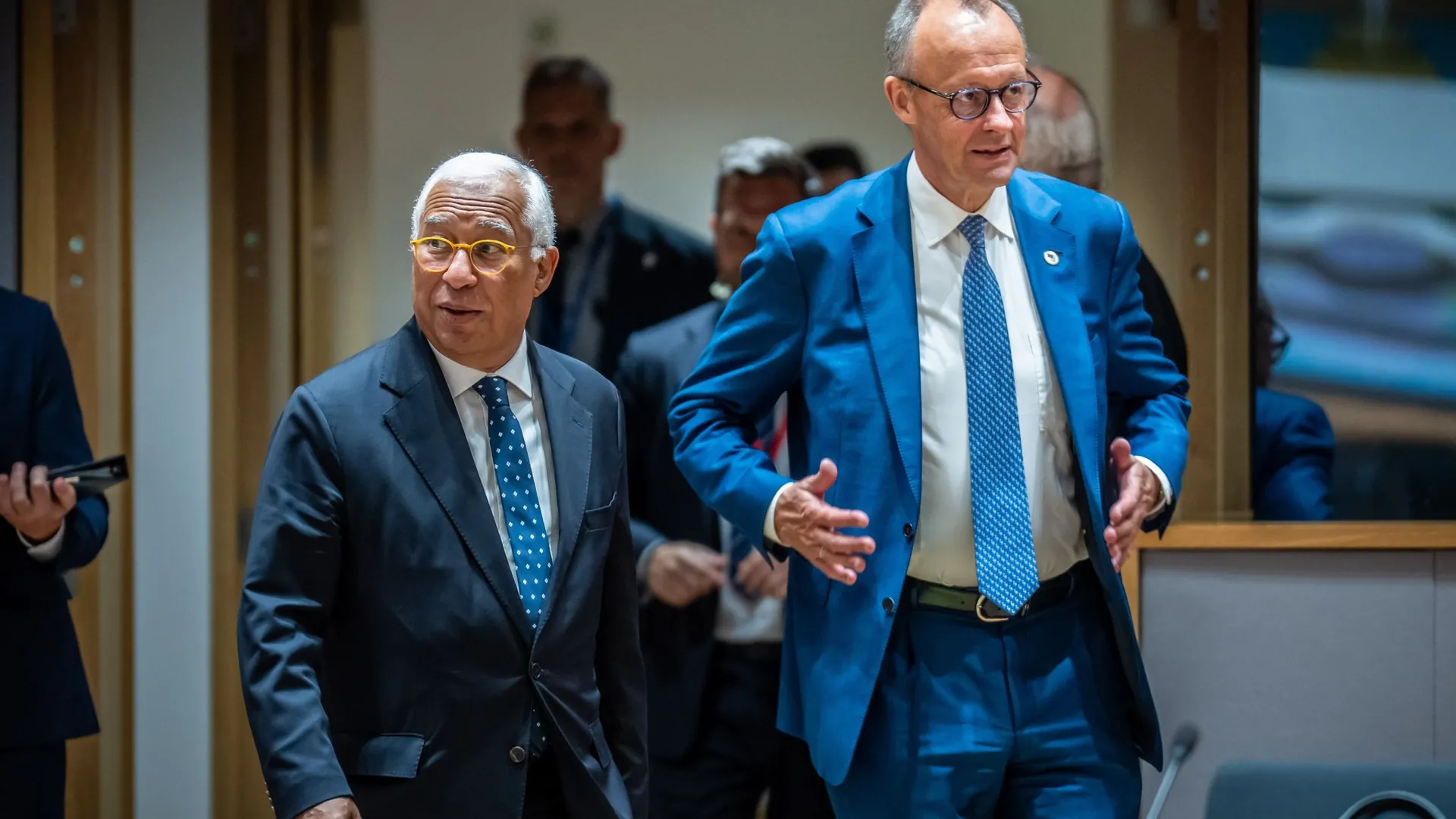
With the cuts in the overall volume, Costa is at least partly meeting demands from the Chancellor Friedrich Merz (CDU) and leaders of other wealthy states such as the Netherlands, Austria, Denmark, Sweden and Finland after. As so-called net contributors, they contribute more money to the budget than they get back and are demanding a reduction in the EU Commission’s draft budget by several hundred billion euros.
With the proposal for the introduction of a digital levy, Costa is particularly responding to the wishes of France. Paris has long been advocating for new EU own resources in order to enable additional European investments without correspondingly increasing national contributions.
Total budget worth billions
According to Costa’s proposal, the next long-term EU budget would total around 1.781 trillion euros in current prices. In absolute figures, this is significantly more than the current financial framework. However, according to Costa’s calculations, national contributions should hardly increase in relation to economic output.
However, Chancellor Merz still does not consider the compromise proposal to be acceptable. “The proposal now before us is a first step, but the volume is still too high,” explained the CDU politician Berlin. Practically all EU member states are faced with the challenge of consolidating their budgets. “An EU budget that is growing by over 40 percent at the same time does not fit into this time,” said Merz. At the same time, he emphasized: “I am ready to contribute to a realistic and affordable EU budget.”
The largest part of the EU budget’s income has so far come from contributions from the member states. The most important source of income are contributions, the amount of which is based on the respective economic strength measured by gross national income. As the largest economics Of the EU, Germany makes by far the largest contribution, most recently more than a fifth. At the same time, however, it benefits greatly from the EU internal market.
