
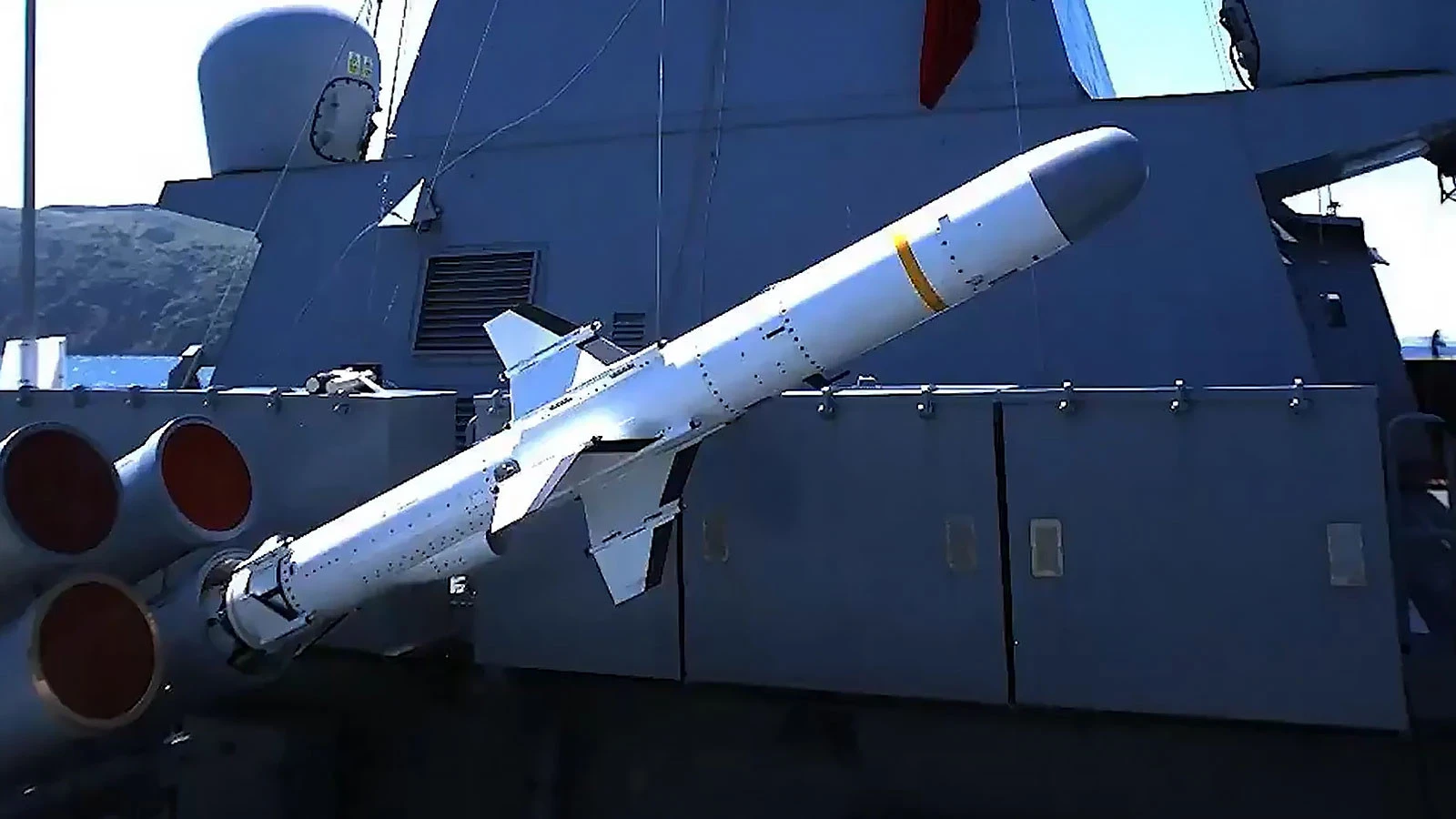
Malaysia, one of the important naval powers of Southeast Asia, turned to Türkiye for the missile systems of its warships. Malaysian Minister of Defense Mohamed Khaled Nordin announced in his statement the other day that ATMACA, developed by ROKETSAN, was chosen to replace the Naval Strike Missile (NSM) missiles planned to be purchased from Norway. The decision was taken after Norway canceled its missile export permit to Malaysia despite the previously signed contract.
24 ATMACA CREDITS
Malaysia’s cooperation with Türkiye in the missile field started in April. The ATMACA supply contract was signed between ROKETSAN and the Malaysian Ministry of Defense during the DSA 2026 Defense Fair held in Kuala Lumpur on 22 April 2026. According to information provided by Naval News based on industry sources, the agreement covers a total of 24 ATMACA anti-ship missiles. The value of the contract is stated as 79.5 million euros, approximately 369 million Malaysian ringgit. The missiles are planned to be used on three Littoral Mission Ship Batch 2 (LMS B2) ships built in Türkiye.
NORWAY CANCELED
Malaysia’s second ATMACA choice concerns a larger naval modernization program. The country had previously signed a contract in 2018 to purchase NSM missiles from Norway’s Kongsberg company. However, deliveries stopped after the Norwegian government canceled export permits. Malaysia claimed compensation of approximately 1 billion ringgit, or 216 million euros, citing direct and indirect damages. It was announced that approximately 126 million euros of this amount stemmed from previous payments. After the problem with Norway, Malaysia evaluated the offers of Türkiye, France and Italy for the new missile system. Defense Minister Nordin said that Türkiye was determined as the most suitable option, considering the price, delivery schedule and initial costs. The Malaysian government announced that it will begin negotiations with ROKETSAN regarding the supply of additional missiles and integration into existing warships.
DELIVERY IN 2028
Delivery time was also a determining factor in choosing the Turkish missile. According to the statements of the Malaysian Ministry of Defense, the procurement of a missile to be launched from scratch can take approximately 30 months. However, since the country has previously ordered ATMACA, it is planned to benefit from the current production schedule. According to the news of Malaysian state broadcaster RTM dated November 12, the first deliveries could be brought forward until 2028, while some sources point to 2029. The exact delivery schedule will be determined as a result of negotiations.
250 KM RANGE
ATMACA’s technical features also coincide with Malaysia’s naval defense needs. According to the data published by ROKETSAN, the missile has a range of 250 kilometers. The weight of the system, which is approximately 5.2 meters long, is 750 kilograms, and the warhead is 220 kilograms.. ATMACA can be used against moving sea targets with its radar guidance and advanced navigation systems. The missile has capabilities such as updating target information during flight, re-attacking and canceling the mission when necessary.
RENOVATION IN PROGRESS
There are two separate ship classes in Malaysia’s naval renewal program. In addition to the three LMS B2 ships built by STM in Türkiye, it is aimed to complete five warships within the scope of the Littoral Combat Ship (LCS) program carried out in Malaysia. In the LCS project, which initially included six ships, the number of ships was reduced to five due to delays and cost increases. The new ATMACA decision particularly concerns the weapon systems of these five ships.
