
Summit in the Caribbean
The British Slave Trade: Why Not Apologize?
Updated 11/2/2026 – 9:01 amReading time: 4 minutes

The transatlantic slave trade was banned by the British almost 220 years ago. The aftermath continues to burden people in the Caribbean to this day – and there is debate about who is responsible.
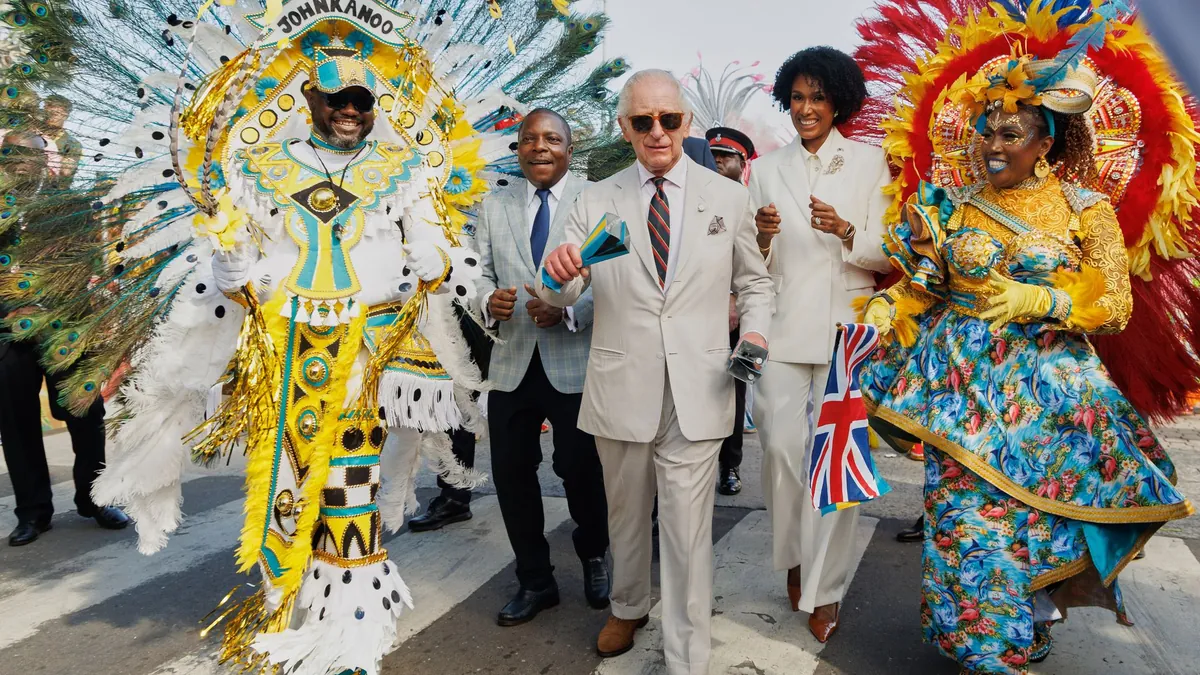
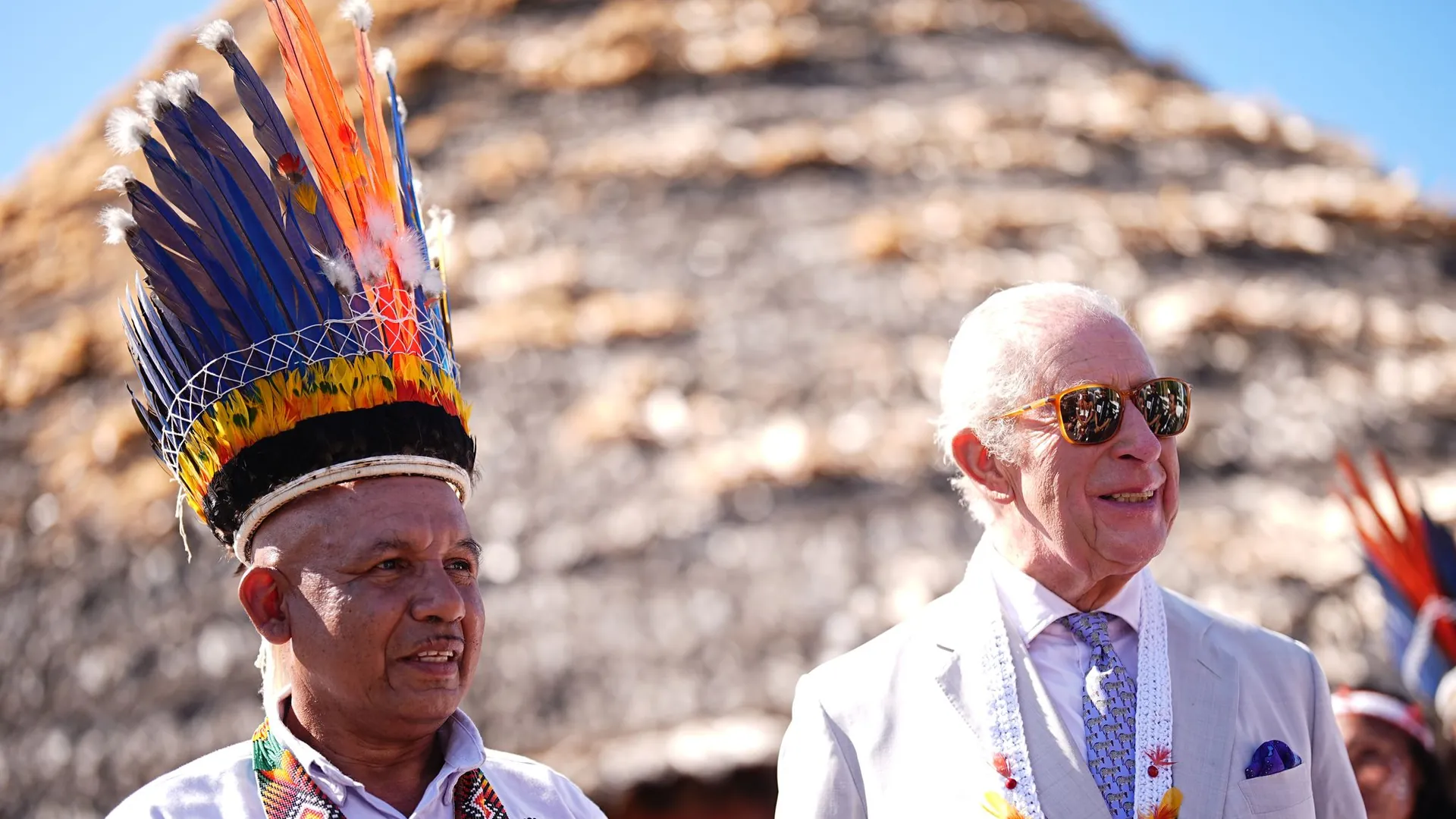
Prancing with two cowbells in her hand King Charles III. on the streets of Nassau. The British monarch received a fitting welcome at the traditional Junkanoo festival on his visit to the Bahamas – but the happy images were overshadowed by a theme that Great Britain shamed for over two centuries: Is there a correct way to deal with one’s own role in the slave trade? Caribbean to this day?
This Tuesday, the king will deliver a speech at the Commonwealth Summit (Chogm) in St. John’s, Antigua and Barbuda, in which he will speak with “ruthless honesty,” “sincere sadness” and respect about the ongoing suffering of the transatlantic slave trade, the palace said. Charles III will formally apologize. According to reports, he doesn’t – and according to his own understanding, he can’t do that at all.
It would be “not appropriate” for the king, as head of the Commonwealth, to comment on specific policy issues that “affect the position of the British government,” the palace said. And so far, Downing Street has avoided an official apology – probably particularly because of concerns about even louder demands for reparations. The still relatively new Prime Minister Andy Burnham but now indicated a change of course.
Burnham “open” to an apology
His government is offering a structured dialogue with all those affected, Burnham wrote in the newspaper “The Guardian”: “Listening to calls for an official apology on behalf of the British state will be an important part of this process, and I am open to it.” The British were “world leaders” in abolishing slavery. “And we can show leadership again today,” Burnham wrote.
Great Britain was a leading power in the slave trade, particularly in the 18th century. As part of the transatlantic human trafficking, it is estimated that between 1640 and 1807 around three million Africans were transported by English ships to the British colonies in the Caribbean, North and South America and other countries. Only around 2.7 million people probably reached the goal.
The slave trade from Africa was banned in what was then the British Empire from May 1, 1807, and slavery itself was not abolished in the colonies until 1834. “I would like to express my condolences and regret for the pain and suffering of so many millions and recognize how this continues to shape our world today,” wrote Burnham, who will also attend the Commonwealth Summit as British Prime Minister. However, like his predecessors, the Prime Minister has ruled out reparations.
Criticism from the ranks of the British opposition
Contrary to the demands of several Caribbean countries, Burnham said he does not believe that “the British of today can be held responsible for historical injustices, however heinous.” Reparations payments are not “the right answer.” He received support on Sunday from his finance minister John Healey. Considering a formal apology does not mean that Britons should today accept financial responsibility for events that occurred hundreds of years ago and in which they were not involved, the minister told the BBC.
