
According to information obtained by Norway-based publication The Barents Observer, NATO countries have intensified their reconnaissance, electronic intelligence and submarine surveillance flights due to Russia’s military activities in the Arctic region. Russian authorities have issued comprehensive navigation warnings for civilian aircraft and commercial ships around the Barents Sea, White Sea, Novaya Zemlya and Franz Josef Lands in the north of the country. The Russian Northern Fleet has not announced any major exercises, but Kristian Atland of the Norwegian Defense Research Agency noted that successive and partially overlapping restrictions could indicate naval mobility involving more than one fleet element. In addition to missile and artillery fire, coastal defense systems are also likely to be involved in the activities.
INTELLIGENCE PLANES ARE FOLLOWING THE RUSSIAN NAVY
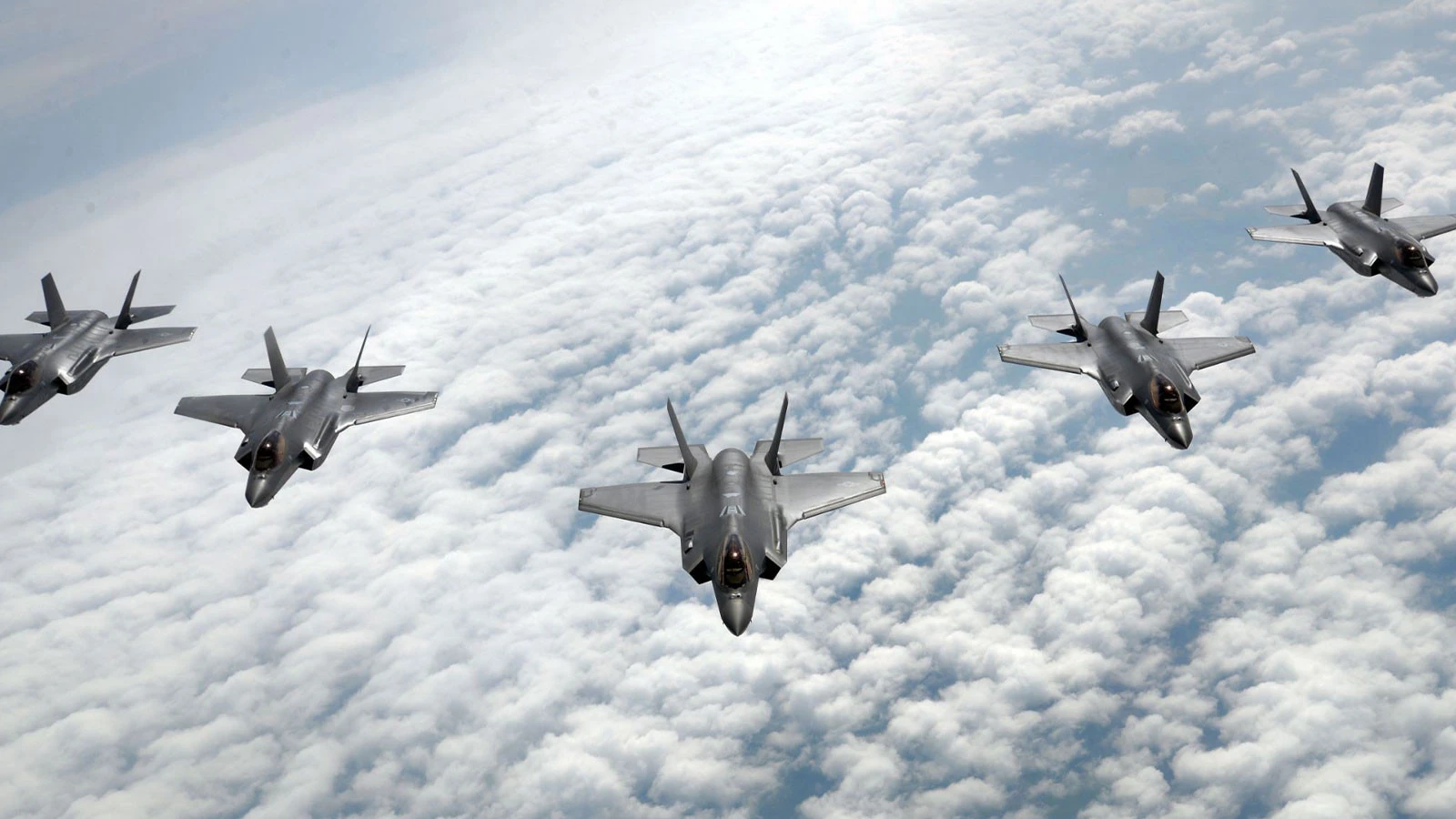
At least four NATO aircraft belonging to Sweden, Britain and Norway operated in the north, west and south of the Kola Peninsula. Sweden’s Gulfstream IV Korpen electronic intelligence aircraft flew along the Russian border in Finnish Lapland, while Britain’s RC-135W Rivet Joint aircraft monitored communications and radar signals. Two P-8 Poseidon maritime patrol planes belonging to Norway and England followed Russian submarines in the waters north of Murmansk. At the same time, two F-35 fighter jets took off from Norway’s Evenes Base to identify the Russian Su-24 aircraft flying in international airspace off the coast of Finnmark. These activities indicate that NATO is collecting electronic and submarine intelligence on Russia’s military activity.
NUCLEAR WEAPON TEST SUSPICIOUS
The Russian Northern Fleet has more than 20 submarines and about 12 large surface warships. However, it was not disclosed how many ships, aircraft or soldiers participated in the new activities. Another development that attracts NATO’s attention is the activity in the test sites used for Russia’s Burevestnik nuclear-propelled cruise missile and Poseidon nuclear-propelled underwater weapon. According to information obtained by The Barents Observer, two Il-976 SKIP telemetry aircraft and one A-50 early warning aircraft were deployed to Rogachevo Base on Novaya Zemlya. Satellite images dated October 14 showed that the planes were still in the region. Expert Atland evaluates that the closure of large sea areas may be linked to missile, artillery and coastal defense fire. However, it is also claimed that a new Burevestnik or Poseidon trial may be carried out.
STRICT SURVEILLANCE IN NATO’S NORTH
Norway, with P-8 patrols and F-35 intercept flights; Sweden, with its Korpen electronic intelligence aircraft; Finland, on the other hand, began to closely monitor Russia with NATO reconnaissance flights near its border and the alliance’s northern defense systems. On the Baltic front, the Lithuanian Ministry of Defense also announced that NATO warplanes were removed from the Russian territory of Kaliningrad against two Russian Su-30 aircraft that did not have a flight plan, did not establish a radio connection and had their transponders turned off. While Estonia has issued a maritime warning for shooting activities in the west of Naissaar Island, Poland has completely closed its military exercise area on the Baltic coast to maritime traffic. Swedish maritime authorities also warned of interference affecting satellite navigation, ship identification and radar systems across the Baltic Sea. NATO’s Arctic Sentry activity forms the framework of surveillance and deterrence efforts in the north. According to the information obtained, all radars in the Baltic countries have been put on special alert due to Russian military activity.
