
Funeral funds
A piece of industrial history is fighting for its future
09/18/2026 – 3:07 p.mReading time: 4 minutes

A funeral is expensive. Workers once founded associations to show solidarity to cushion the high costs. The clubs still exist today.
In Bochum The Bochum Insurance Association is known to many people. This is probably due, among other things, to Anthony Losilla. The French footballer worked for the local team for eleven years VfL Bochum on the pitch – he took responsibility when it mattered, always showed full commitment and, despite everything, always remained close to the many VfL fans in the Ruhr area. When Losilla finally laced up his boots for the last time last year, the club named an honorary column in the Ruhr Stadium after its former captain. An honor that has so far only been bestowed on a few club legends.
Accordingly, the Bochum insurance association, a funeral insurance company, could hardly have chosen a better advertising face for its “Bochum takes precautions” campaign. Your goal: find new members for the fund. A task that today means more and more effort, not just in Bochum. Because death funds are under pressure. Your business area has changed significantly in recent years, and many, especially smaller ones, have to fear for their future.
Workers band together
The history of funeral funds goes back a long way, in principle to the Middle Ages. Those who did not want to be buried in a mass grave, but rather wanted an honorable, Christian burial, often joined a so-called guild of the dead. Their members not only helped practically with the funeral, but also financially. Each member paid regular contributions into a community fund. This became one Death then financed the costs of the funeral, the candles and the support of the bereaved.
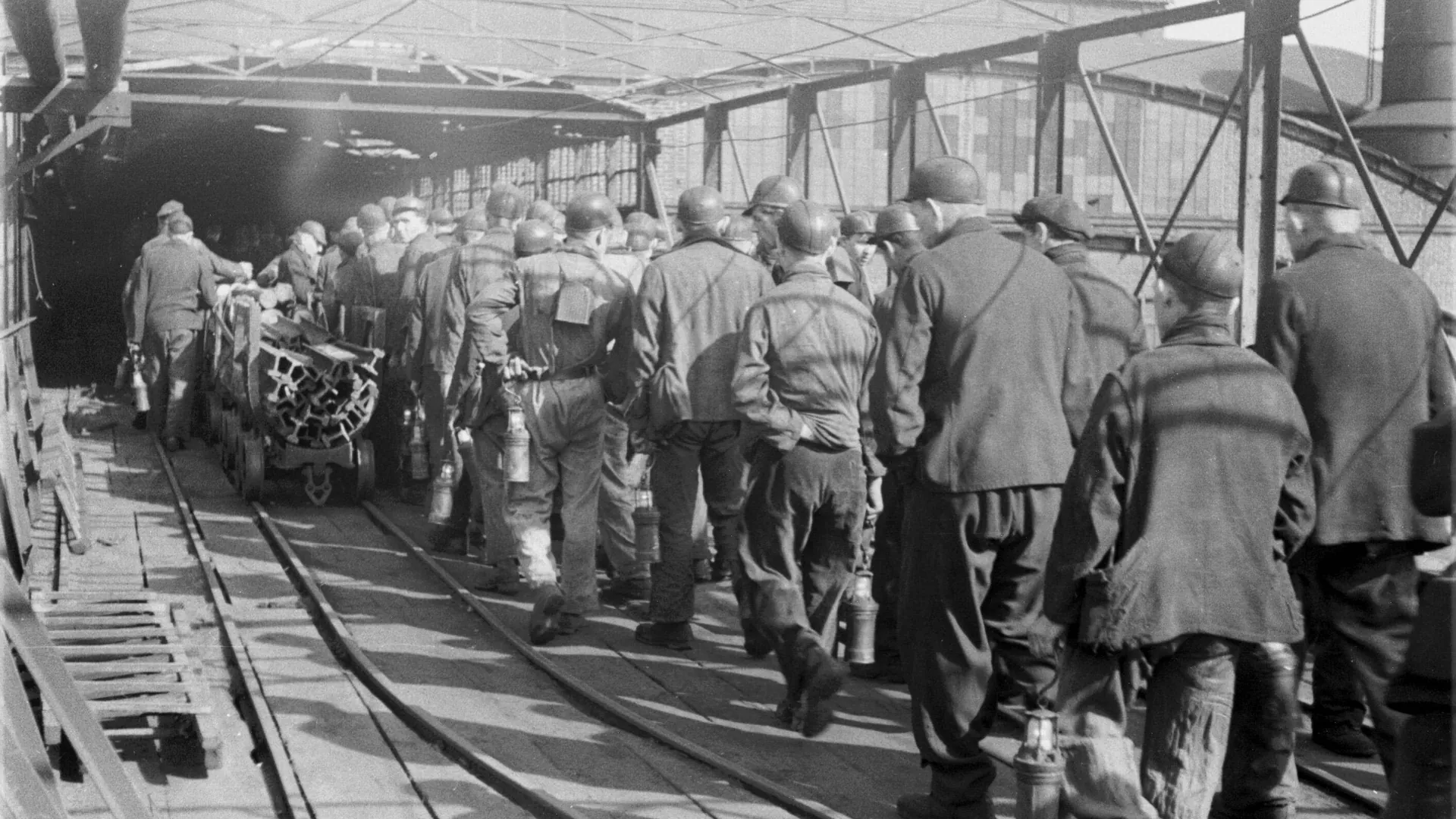
An idea that gained new followers during industrialization. The risk of accidents was particularly high in mining and heavy industry. Workers therefore banded together to provide financial support to the families of deceased colleagues through death funds.
“The impetus came not from the companies, but from the employees themselves,” says Paul Weßling, board member of the Association of Funeral Funds. Funeral funds are still strongly represented today, especially in the Ruhr area – but they can also be found elsewhere in Germany.
“There is a death fund at every motorway exit”
“In Bavaria there is a death fund at practically every motorway exit,” says Christian Hanf from the Association of Death Funds, describing the abundance of small, very regional institutions. Many only accept members from the respective community, others are limited to certain companies. However, there are also 30 death funds that are open to those interested nationwide.
Then as now, death insurance funds protect their members against high funeral costs. Today in the form of funeral insurance. Members pay regular contributions, sometimes just a few euros a year. In the event of death, a previously agreed insurance sum will then be paid out. This is generally lower for death insurance companies than for larger life insurers who also offer death benefit insurance. In return, death insurance companies often forego health questions – the state of health therefore plays no role in taking out insurance. However, those insured must accept certain waiting times. In some cases, the full sum insured is only paid out after three years.
