
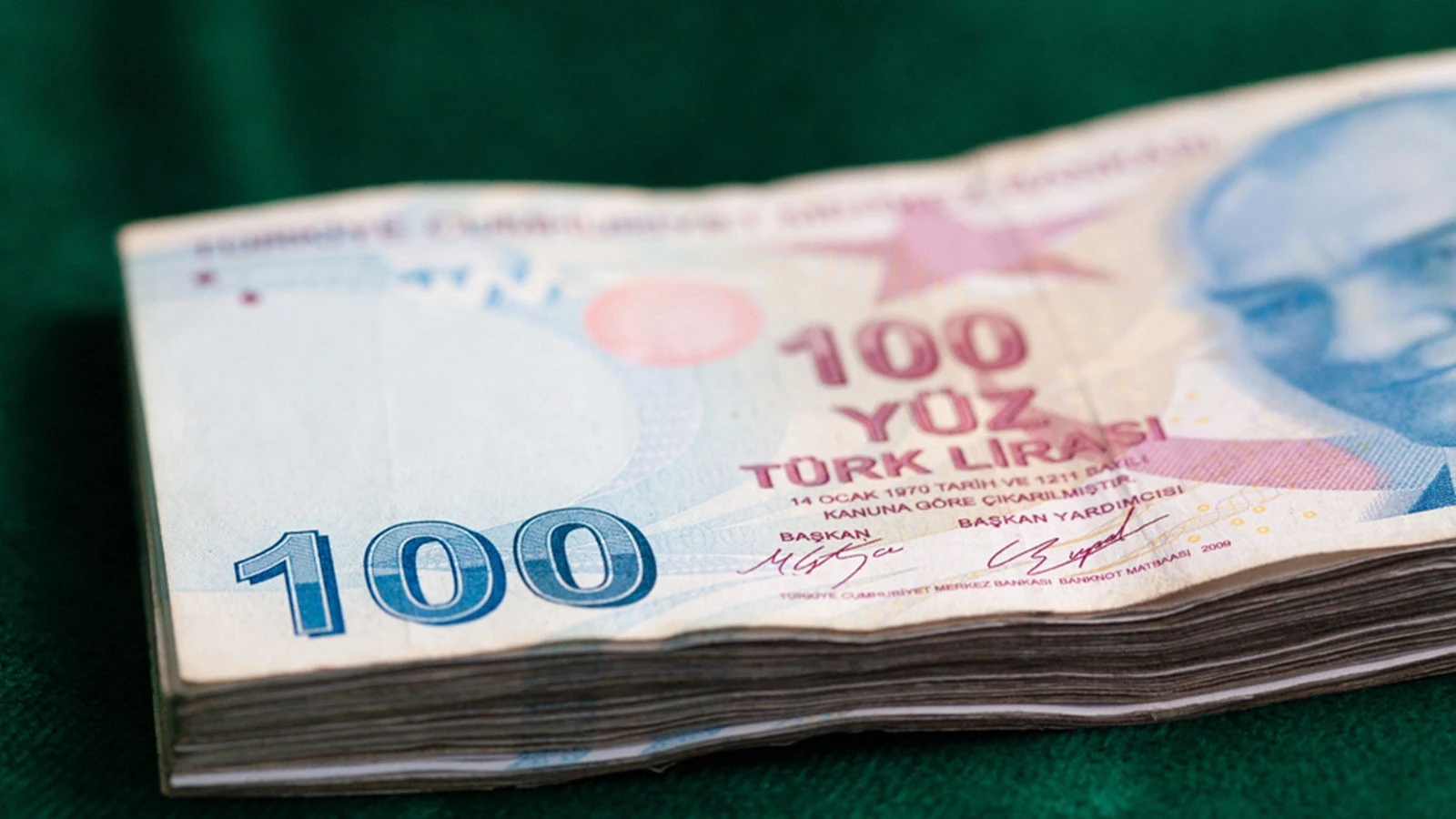
Latest indicators reflected from the Turkish economy pointed out that the disinflation process continues, but price pressure continues to spread throughout the economy. In August, the Consumer Price Index increased by 1.84 percent monthly, remaining below the market expectation of 1.86 percent, while annual inflation decreased from 31.75 percent to 31.51 percent. With the latest data, the total increase in consumer prices in the first eight months of the year reached 22.07 percent. Economists are of the opinion that, following the August inflation, the Central Bank of the Republic of Türkiye may keep the policy rate constant at 37 percent at the Monetary Policy Committee meeting to be held in September. It is noteworthy that there are differences between institutions in expectations regarding monetary policy.
COST PRESSURE IS INCREASING
Sub-items of inflation revealed that price increases were not limited to certain products. While there was a price increase in 134 of the 174 sub-classes monitored within the scope of CPI in August, there was a decrease in 35 sub-classes. There was no price change in the five sub-classes. While the spread of price increases across a wide range of products shows that the rigidity in inflation has not completely disappeared, the recent rise in fuel prices has become one of the important factors that increased cost pressure.
TL IS REAL VALUABLE
Price and exchange rate movements in the first eight months of the year also revealed a striking picture. While consumer inflation was approximately 22.1 percent in the January-August period, the increase in dollar/TL remained at 12.2 percent and the increase in euro/TL remained at 11 percent in the same period. The fact that exchange rate increases were significantly behind inflation indicated that the Turkish Lira continued its valuable course in real terms. In addition to the exchange rate-inflation gap, developments on the foreign trade front also showed that the fragile balances in the economy continued. While the foreign trade deficit of the last 12 months was at the level of 92.2 billion dollars at the end of 2025, it increased by 5.6 billion dollars to 97.8 billion dollars as of August 2026. In the same period, the ratio of exports to imports decreased from 74.8 percent to 74.1 percent.
CONSUMPTION IMPORTS HORIZONTAL
A more horizontal course has emerged in imports of consumer goods in recent months. 12-month imports of consumer goods, which were 59.2 billion dollars in December 2025, decreased to 58.6 billion dollars in March 2026 and to 56.5 billion dollars in June. Imports of consumer goods, which remained at the same level in July, increased slightly in August, reaching 56.6 billion dollars. The data revealed that after the decline in imports of consumer goods in the first half of the year, there has been a balancing trend in recent months.
RIDICULOUS INCREASE IN FUEL OIL
One of the new cost pressures on the economy was experienced in fuel prices. Effective from today, the liter price of gasoline has been increased by 2 lira 47 kuruş, and the liter price of diesel has been increased by 7 lira 76 kuruş. Especially the high rate of increase in diesel fuel is expected to have an impact on costs in a wide range of areas, from transportation to logistics, from agriculture to industry. The fact that the rise in fuel prices coincided with a period in which a wide spread was observed in the sub-items of consumer inflation was among the closely monitored developments in terms of the price outlook.
