
Security and Defense
EU expands naval deployment in the Middle East
Updated March 30, 2026 – 5:58 p.mReading time: 2 minutes

The EU is expanding military operations to secure merchant shipping – but this is not about what US President Donald Trump is demanding from allies.
The EU is expanding its naval operations in the Red Sea and western Indian Ocean, but will not initially take part in possible operations to secure oil and gas shipments through the Strait of Hormuz. As the representation of the member states announced, an addition to the mandate stipulates that the ships and aircraft involved will in future also be able to collect information about suspicious activities in connection with critical underwater infrastructure. There will also be, among other things, training activities for the Djibouti naval forces and cooperation with the Yemeni coast guard.
The EU naval operations include operations “Aspides” and “Atalanta”. “Aspides” was launched in mid-2024 and is primarily intended to protect merchant ships from attacks by the militant Islamist Houthis from Yemen. “Atalanta” has been around since 2008. It was launched to combat piracy in the region.
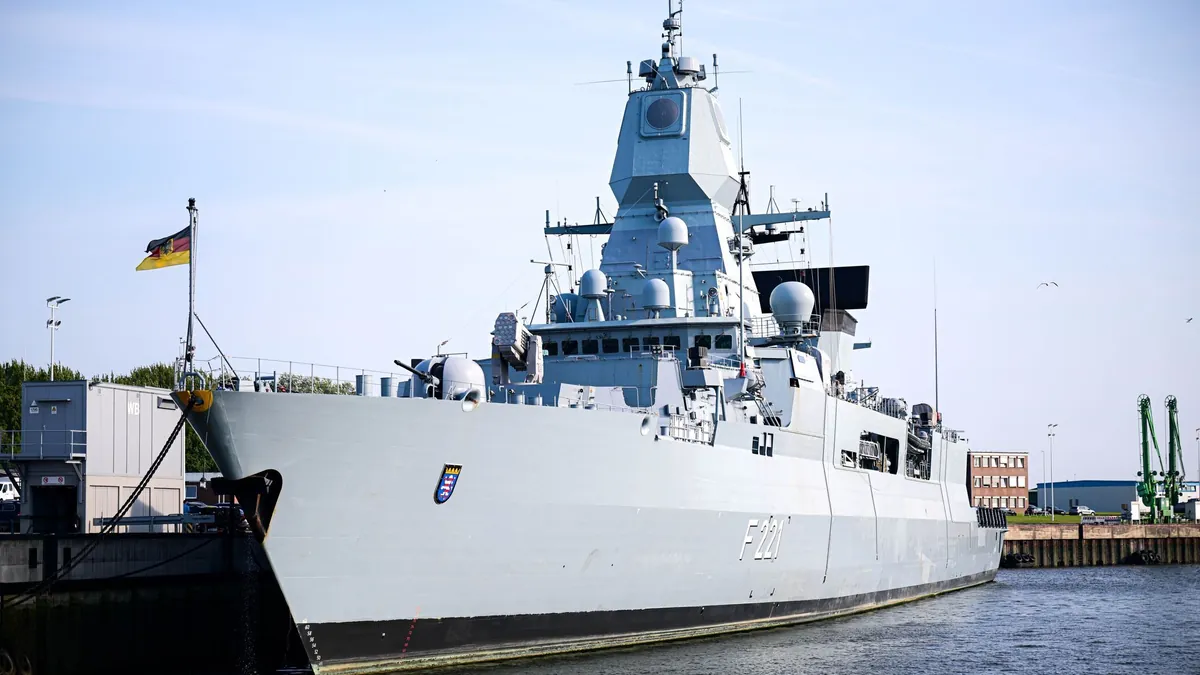
Germany is currently taking part in the “Aspides” operation, but currently does not have a ship on site. The mandate for a stake in “Atalanta” expired in April 2022.
Diplomats emphasized in Brussels on Monday that the planned expansion of operations is not related to demands from US President Donald Trump. This requires European allies to contribute to securing oil and gas transport through the Strait of Hormuz. According to information from Brussels, the background is, among other things, better observation of the Russian shadow fleet. Moscow has been trying for years to circumvent a price cap for Russian oil introduced by Western supporters of Ukraine. It is also suspected of being used for sabotage operations against underwater infrastructure.
