
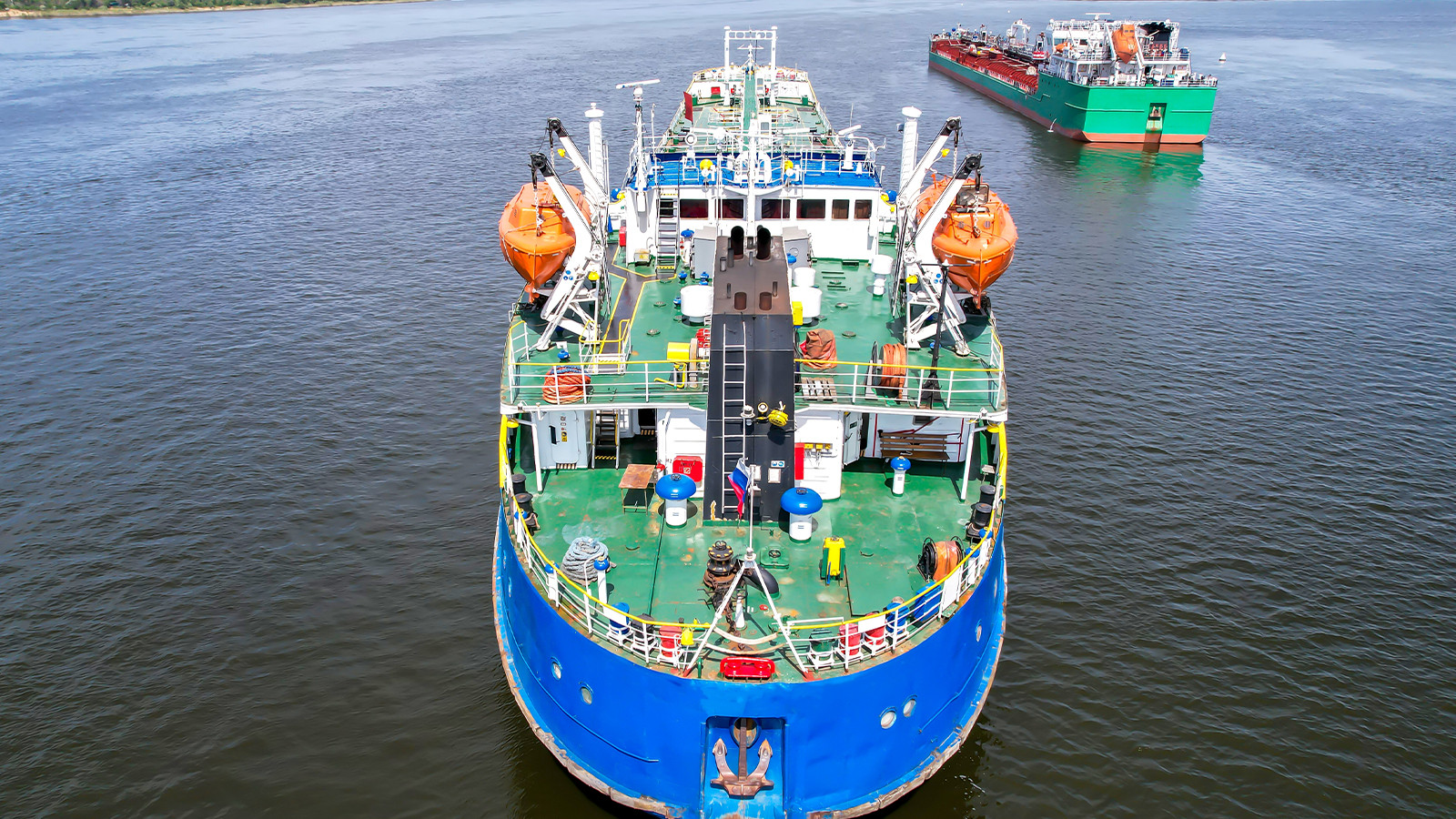
The energy crisis that started due to the Iran war started a new debate in the Western alliance. As oil prices rose rapidly and shipments in the Strait of Hormuz almost came to a halt, the US administration granted a temporary sanctions exemption for Russian oil at sea. The fact that the decision is valid until April 11 started a debate in Europe about whether Russia is being given a temporary energy advantage. Discussion topics were reflected in international publications and European media following the energy market.
NEW LICENSE FOR RUSSIA
The crisis began after escalating military tensions between Iran and the United States and Israel. In retaliation, Iran’s attacks on commercial ships around the Strait of Hormuz and its virtual halt of passage have largely closed this line, through which approximately one-fifth of the world’s oil trade passes. As tanker traffic dropped rapidly, serious supply concerns arose in global energy markets. Following this development, oil prices rose above 100 dollars in a short time.. While the rapid increase in energy costs creates economic pressure in both Europe and the USA, the US Treasury Department has issued a license granting a 30-day exemption for the purchase of Russian oil loaded before March 12 and located at sea. The exemption is scheduled to end on April 11.
RUSSIA WILL BENEFIT
According to Global Trade, an organization that monitors global trade, Western governments have to turn to alternative sources to keep global supply balanced. This situation raises the question of how sanctions against Russian oil will be implemented in times of crisis.. While Germany and some governments in Europe emphasize that this decision could provide billions of dollars of additional income to Russia, this situation forms the basis of the discussions.
TEMPORARY TERM EMPHASIS
Washington rejects the criticism. According to the US administration, the decision taken is implemented solely for the purpose of ensuring market stability and for a limited period of time.. Authorities emphasize that the exemption only applies to oil found at sea, new shipments are not allowed and does not change the general framework of the sanctions regime.
400 MILLION BARREL MEASURES
The “March 2026 Oil Market Report” published by the International Energy Agency is considered one of the most comprehensive data of the global oil market. According to the report, a major supply shock occurred in the oil market due to the war in the Middle East.. Member countries of the International Atomic Energy Agency decided to release 400 million barrels of oil reserves to the market to reduce the impact of the crisis. This step aims to prevent disruptions, especially in the Strait of Hormuz, from rapidly increasing global prices.
6 BILLION EUROS REVENUE
Center for Research on Energy and Clean Air (CREA) is one of the most important research centers that monitor Russia’s energy revenues on a daily basis. According to the organization’s latest report, Russia’s fossil fuel export revenue reached an average of 492 million euros per day. 232 million euros/day of this comes from the sale of crude oil. Oil exports by sea provide an income of 173 million euros/day. CREA also calculated that Russia’s energy revenues increased rapidly after the start of the war in the Middle East. It is estimated that Russia earned approximately 6 billion euros in energy revenue in the first weeks of the war.
(email protected)
