
Historical commemoration
70 years of the Hungarian uprising: The long fight for freedom
Updated 10/23/2026 – 5:00 amReading time: 4 minutes

The Hungarian uprising in 1956 was bloodily suppressed. The memory of this was taboo for decades. Now the celebrations are also marked by a political upheaval.
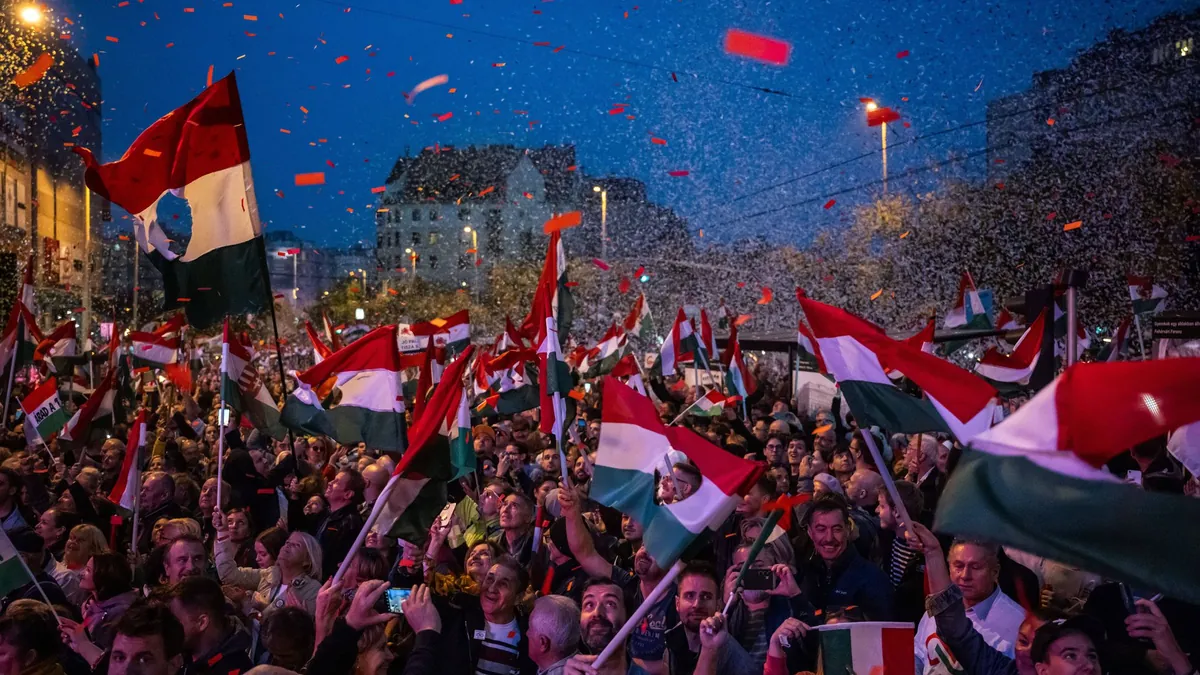
Hungary’s government is celebrating the anniversary of the revolution against communist rule with guests from all over Europe. The uprising began exactly 70 years ago, on October 23, 1956, and twelve days later, on November 4, Soviet troops bloodily suppressed it.
The President of the EU Commission is due to attend a ceremony in Parliament in the early afternoon Ursula von der Leyen speak, two hours later Prime Minister Peter Magyar will address the citizens with a speech on Kossuth Square in front of the parliament. Chancellor Friedrich Merz (CDU) can be represented by the Minister of Transport Steffen Bilger (CDU) represented.
Hungary was after that Second World War – like other Eastern European countries and eastern Germany – came under the control of the then Soviet Union. After 1945, a harsh communist dictatorship gradually emerged under Soviet military occupation. Parties were banned, critics were hanged after show trials or thrown into prison, members of the wealthy classes were dispossessed and sent to internment camps. The Hungarian governor of the Soviets, the communist Matyas Rakosi, created a pervasive cult of personality around himself.
Stalin falls from the pedestal
In 1953, Soviet dictator Josef Stalin died, but the Stalinists remained in power in Hungary. The discontent among the population, among intellectuals and even party members grew. On October 23, 1956, 200,000 people demonstrated on Kossuth Square in front of Parliament to demand change. Part of the crowd moved on to Dozsa Boulevard, where the ten-meter-high, six-ton statue of Stalin was toppled from its pedestal.
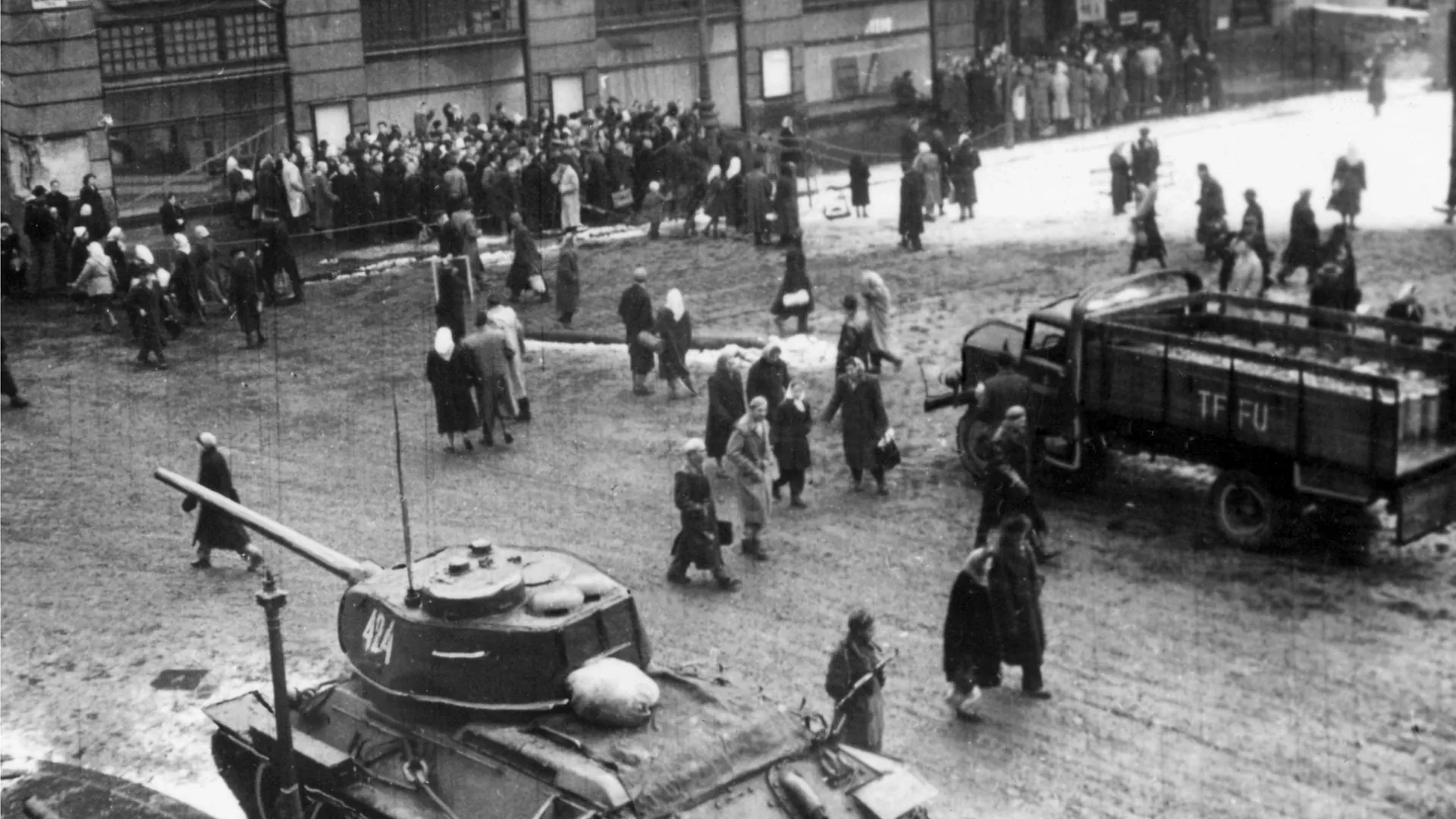
The Communist Party increasingly lost control of events. After state security units shot at peaceful demonstrators on October 25th and caused a bloodbath, the insurgents began to arm themselves, especially since the Hungarian army also largely defected to the side of the revolution. The Stalinists in the CP resigned and the group around the popular but previously sidelined reform communist Imre Nagy took over the government. This proclaimed democratic socialism, with freedom of the press, freedom of assembly and freedom of religion and legal political parties. Political prisoners were freed. There were also spontaneous excesses of violence against communists and Stasi agents.
Hungary leaves the Warsaw Pact
The Soviets did not initially intervene, but brought massive troop reinforcements into the country. This was not lost on the Nagy government. On November 1, Nagy fled to the front and declared Hungary’s withdrawal from the Warsaw Pact, the Soviet-led eastern military alliance. In the midst of the Cold War, the West found itself unable to provide military assistance to the Hungarians against Moscow’s nuclear power. On November 4th, Soviet troops crushed the Hungarian uprising in bloody street fighting.
